Bangalore to Hampi: Weekend Heritage Tour Complete Guide
Have we ever thought a single weekend could reconnect us with 1,500 years of carved temples, giant boulders, and open-air history?
We open with a practical promise: this guide helps us plan a smooth bangalore to hampi weekend trip that fits into 2 days or stretches into 3. The road distance is roughly 340 km and takes about 6–7.5 hours by car, and we map pickup options from familiar localities so groups travel easily.
In the sections ahead, we preview must-see clusters—Virupaksha, Vijaya Vittala’s Stone Chariot, Hemakuta sunsets, and lakeside coracle rides—and outline a clear day-wise itinerary, cost ranges, and on-ground tips.
This short intro sets expectations on travel time, transports, and places to visit, and shows how we structure the rest of the tour guide so travelers can plan confidently and make the most of every day.
Quick SEO Essentials for This Guide
Before we map routes and schedules, let’s lock down basic SEO elements that make this guide findable and practical for travelers. Clear tags, concise meta copy, and image alt text help searchers spot our trip pages quickly.
Optimized title tag and meta description
Title tag (under 60 chars): “Bangalore → Hampi Weekend Trip Guide 2025”.
Meta description (150–160 chars): “Plan your Bangalore–Hampi trip: routes, costs, must-see sites, and booking tips. Read our weekend itinerary and book your package now.” CTA included.
Target word count, header plan, and image alt text
We target 1,800–2,500 words for the full guide. Use H2 for main sections and H3 for subsections like transport, site clusters, and day-wise itinerary.
- Include distance and travel time from Bangalore and a Google Map embed with driving directions via Chitradurga and Hospet.
- Mention pickup hubs: Indiranagar, Domlur, Yeshwanthpura, Koramangala, Silk Board, MG Road, Mekhri Circle.
- Cover costs, entry fees, parking, package cancellation & refund policies clearly for quick decisions by travelers.
Route Overview from Bangalore to Hampi with Time and Distance
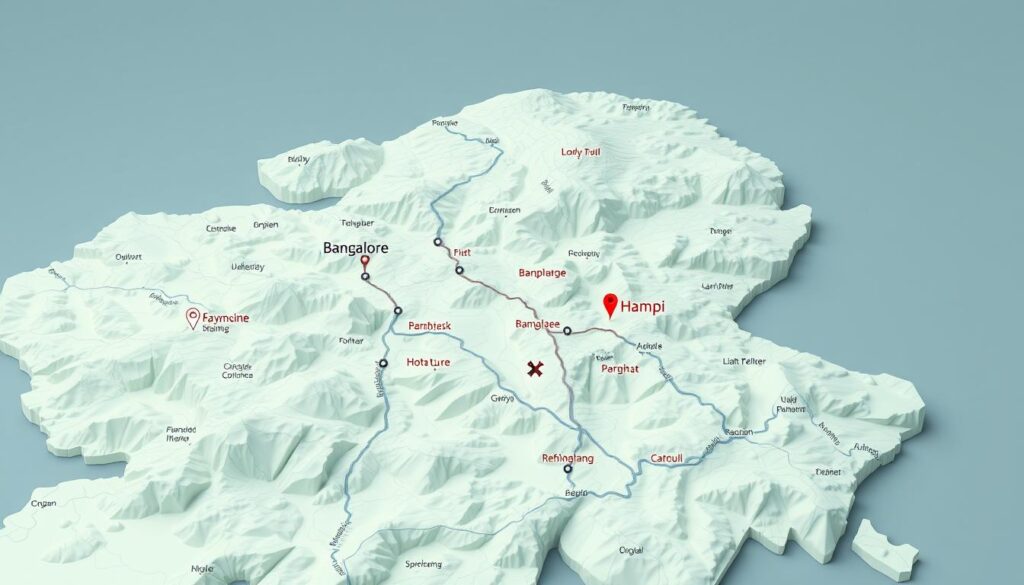
A clear route plan helps us turn travel hours into sightseeing time. For road travel we recommend the NH48 + NH50 alignment. This is roughly 340–350 km and takes about 6–7.5 hours depending on traffic and stops.
Trains run from the city to Hospet Junction in about 7–8 hours. Hampi is another 13 km from Hospet; a cab or local bus closes that gap quickly. Flights land at Hubli, followed by a 150 km road transfer for those short on time.
We suggest leaving late evening for a night drive and a dawn arrival. Build conservative buffer time for tolls, meals, and construction near Hospet. Self-drivers should top up FASTag, carry cash for parking, and save an offline map for intermittent network zones past Chitradurga.
| Mode | Distance | Approx. Time | Last-mile | Best for |
|---|---|---|---|---|
| Road (NH48 + NH50) | 340–350 km | 6–7.5 hrs | Direct drive into Hampi | Groups, flexible stops |
| Train → Hospet | ~350 km rail | 7–8 hrs | 13 km by cab/bus | Relaxed travel, no night driving |
| Air → Hubli | Flight + 150 km road | Varies (flight + 3 hrs) | Private cab recommended | Time-constrained travelers |
- Pickup hubs for shared departures: Indiranagar, Domlur, Yeshwanthpura, Goraguntepalya, Koramangala, Silk Board, MG Road, Mekhri Circle.
- Sync arrival windows with your first-day plan near the Tungabhadra River and main sites to avoid rushed touring.
Interactive Route Map and How to Embed Google Maps
Embedding a preloaded driving map makes our route clear and usable for everyone in the group. We set a start point in the city and preload the path via Chitradurga and Hospet, ending near the Virupaksha cluster.
Driving map: Bangalore to Hampi via Chitradurga and Hospet
Follow NH48 to Chitradurga, then NH50 toward Hospet. Typical driving time is about 6–7.5 hours from the city, depending on traffic and stops.
- Add custom pins for pickup hubs: Silk Board, Koramangala, Domlur, MG Road, Mekhri Circle, Yeshwanthpura, Goraguntepalya, and Indiranagar.
- Layer fuel stations, breakfast towns, restrooms, and optional detours such as Chitradurga Fort for flexible stops.
- Save the map offline in Google Maps and export the route to a navigation app for live rerouting during travel.
| Item | Why add it | How it helps |
|---|---|---|
| Custom pins | Local pickup clarity | Reduces missed pickups and confusion |
| Key stops layer | Fuel and food planning | Keeps driving time predictable |
| Offline export | Network gaps on route | Ensures navigation and saves time |
For operators, embed the same map on package pages and include an estimated driving time in the map title. Link a separate walking map for monuments and sites so we can plan on-foot visits once we arrive.
bangalore to hampi weekend Itinerary: Day-Wise Schedule
We lay out a compact itinerary with clear start times, meal windows, and buffers so our group sees major sites without rushing. Pickup corridors include Whitefield and Electronic City corridors, plus city hubs in Indiranagar, Domlur, Yeshwanthpura, Goraguntepalya, Silk Board, Koramangala, MG Road, and Mekhri Circle.
Day 0 — Night departure
Pickup sweep starts 10:00 PM–11:30 PM from the corridors above. We drive overnight so we reach Hampi by dawn for a quick breakfast and fresh start.
Day 1 — Vittala complex and royal enclosures
08:00–11:30 AM: Start at vittala temple to see the stone chariot and musical pillars before heat peaks.
12:30–2:00 PM: Lunch in Hampi Bazaar or Hospet. Afternoon covers Queen’s Bath, Lotus Mahal, Elephant Stables, and the Lakshmi Narasimha monolith.
5:30 PM: Hemakuta Hill for sunset with a 20–30 minute buffer for the climb and photos.
Day 2 — Virupaksha, Anjanadri and lake ride
08:00–10:00 AM: Visit virupaksha temple and Hampi Bazaar for rituals and light shopping.
11:00 AM–1:00 PM: Climb Anjanadri Hill for panoramic views. Mid-afternoon we head to Sanapur Lake for a coracle ride and lake-side rest.
5:00–6:00 PM: Begin return journey; expected arrival in the city around 11 PM–12 AM. Pre-book final cabs for home drop-offs.
- Breakfast windows: 8:00–9:00 AM each day.
- Lunch windows: 1:30–2:30 PM with built-in buffers for traffic.
- Carry small cash for parking and snacks; respect temple rules and avoid climbing fragile structures.
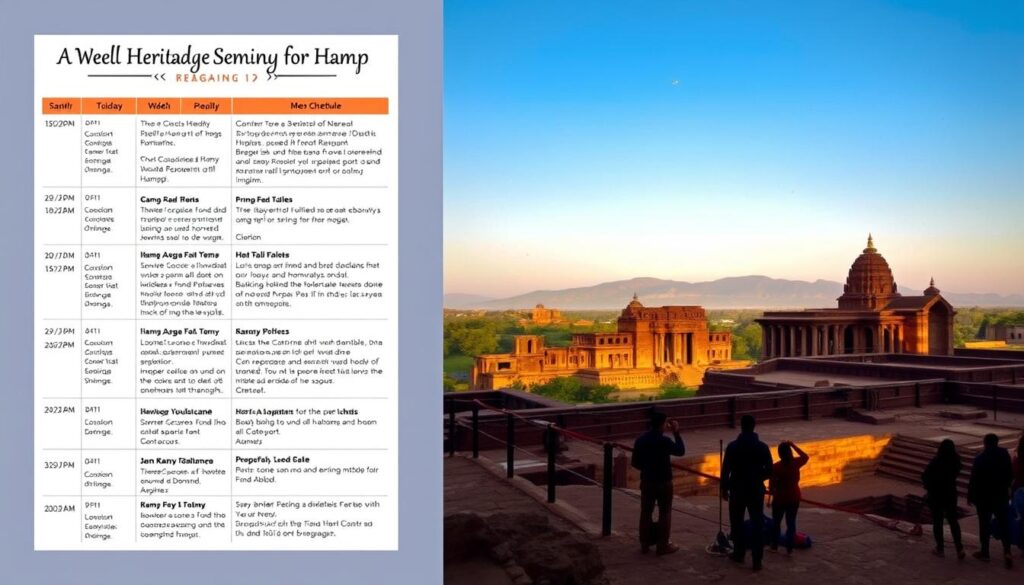
| Day | Start time | Key stops | Meal window |
|---|---|---|---|
| Day 0 | 10:00 PM | City pickups | Closed (travel night) |
| Day 1 | 08:00 AM | Vittala, Stone Chariot, royal enclosures, Hemakuta | 12:30–2:00 PM |
| Day 2 | 08:00 AM | Virupaksha Temple, Anjanadri Hill, Sanapur Lake coracle ride | 1:30–2:30 PM |
Top Places to Visit in Hampi on a Weekend
These top places condense centuries of history into a manageable and memorable visit. We pick clusters that save walking time while letting us see major temples, monuments, and river views.
Virupaksha Temple and Hampi Bazaar
Start the morning at virupaksha temple for rituals and carved panels. Hampi Bazaar beside it offers local crafts and quick snacks.
Vijaya Vittala and the Stone Chariot
We time the vittala temple visit for soft light around sunrise or late afternoon. The stone chariot and musical pillars are the highlight of this heritage site.
Lotus Mahal, Elephant Stables, Queen’s Bath
This regal trio shows Indo-Islamic finesse from the Vijayanagara Empire. These monuments are close; group them to avoid backtracking.
Hemakuta Hill, Anjanadri, and the Tungabhadra River
Hemakuta Hill is our sunset place for silhouettes and short climbs. Anjanadri offers sweeping views over the tungabhadra river valley and village landscapes.
Sanapur Lake and Coracle Rides
We leave a relaxed slot for a coracle ride at Sanapur Lake. It’s a cooling activity and a calm end to the trip.
- Tips: carry water, use shaded routes, respect temple rules and avoid touching fragile carvings.
- SEO alt-text suggestions: “Hampi Stone Chariot at Vijaya Vittala Temple complex at sunrise” or “Lotus Mahal arches in royal enclosure”.
| Place | Best time | Note |
|---|---|---|
| Virupaksha Temple | Early morning | Active worship; dress respectfully |
| Vittala Temple | Sunrise/late afternoon | Stone chariot, fewer crowds |
| Sanapur Lake | Afternoon | Coracle ride and photos |
Costs and Budget Planner for a Two-Day Heritage Trip
Estimating fares, entries, meals, and extras helps us compare packages and avoid hidden charges on short trips.
Transport options and typical costs
Shared tempo traveler: ~₹2,000–2,500 per person (round trip, non-AC, pickups included).
Intercity bus: ₹800–1,200 per person. Self-drive: fuel + tolls ~₹6,000–8,500 for a small car. Train + cab: sleeper fares vary; last-mile cab ~₹600–1,200.
Entry fees, parking and food
Major monument entries usually charge modest Indian and foreign rates; plan ₹200–700 per person for primary sites. Parking at clusters: ₹20–100 per vehicle.
Meals near Hampi Bazaar or Hippie-side cafes: ₹150–500 per person per meal depending on choice.
Accommodation and activities
Homestays/shared dorms: ₹400–1,000 per person. 3-star hotels: ₹2,000–4,000 per room. Coracle ride at Sanapur: ₹150–400 per person. Adventure add-ons are extra and require safety fees.
| Style | Transport | Accommodation (1 night) | Estimated total (per person) |
|---|---|---|---|
| Budget | Shared tempo | Shared dorm / homestay | ₹5,000–6,000 |
| Mid-range | Train + cab / private car split | Budget hotel (3-star) | ₹7,500–9,500 |
| Comfort | Self-drive or private cab | 3-star hotel / upgraded stay | ₹12,000–15,000 |
Note: many shared packages list inclusions (tolls, parking, guide) but exclude certain entry fees and activity charges. Operators often require rescheduling requests 5+ days before departure; read cancellation and refund terms carefully. Carry cash for small parking lots and factor weather into daily spend.
Where to Stay and Eat: Areas and Recommendations
Choosing the right base can save hours of travel and keep our days focused on temples, sunsets, and coracle rides by the tungabhadra river.
Hampi Bazaar area
This place puts us steps from early-morning temple visits and quick returns during the heat. Breakfast spots and local thalis are common here, making fast starts and timely lunches easy.
Anegundi / Sanapur side
A relaxed lakeside option with boulder views and direct access to Sanapur Lake. It suits travelers who want quiet evenings and easy coracle returns after an afternoon on the water.
Hospet base
Hospet works for late arrivals and drivers needing parking, ATMs, and steady power. It adds a bit of travel time but offers larger hotels and consistent services for the package traveller.
Book rooms close to your day-two start point. Check recent guest reviews for water, Wi-Fi, and power. Carry a refillable bottle and plan coffee stops during long sight-seeing days.
| Stay Zone | Proximity | Best for | Meal notes |
|---|---|---|---|
| Hampi Bazaar | Walking distance to Virupaksha | Early temple visits, quick breaks | Breakfast stalls, thali joints nearby |
| Anegundi / Sanapur | Lakeside, quieter | Relaxed stays, coracle access | Cafes for dinners; simple lunches |
| Hospet | 10–20 km from ruins | Drivers, late check-ins, parking | Full-service hotels and restaurants |
Best Time to Visit, Weather, and What to Pack
We plan around weather and daylight so every hike and photo stop feels easy and safe. The region has clear seasonal swings that shape our daily pace and what we carry.
Seasonal guide and weather conditions
October through March is the sweet spot. Cooler mornings and mild evenings make climbs and long walks pleasant. Popular operators also point to winter as prime time.
April–June runs hot and dry. Start early, build siestas into the day, and increase water breaks.
The monsoon brings lush views but slippery boulders and reduced visibility. Keep a rain layer and mind footing after rain.
Packing checklist
- Trekking shoes with good grip, breathable clothes, and a hat.
- SPF 30+ sunscreen, sunglasses, lip balm, and a reusable water bottle.
- Light rain layer in shoulder months, power bank, and ID proof.
- Compact first-aid: pain relief, motion-sickness pills, blister care, and basic meds.
- Micro towel, dry bag for electronics, and a small backpack for on-foot days.
What to wear and itinerary tips for the day
Dress modestly for temple visits: cover shoulders and knees. Choose quick-dry, breathable fabrics for long outdoor days.
Tune the itinerary to weather: hill climbs at dawn or dusk, shaded interiors at midday, and add 20 minutes per hill for safe, unhurried walks.
| Season | Weather | Note |
|---|---|---|
| Oct–Mar | Cool mornings, mild days | Best for sight-seeing and photos |
| Apr–Jun | Hot and dry | Early starts, more water |
| Jul–Sep | Monsoon, wet rocks | Bring rain gear and watch traction |
Practical Tips: Permits, Parking, Safety, and Local Logistics
A few clear rules on tickets, parking, and pacing save time and stress during the ruins tour. We start early for monument ticket counters and carry valid ID since some checks still happen at gates.
At busy clusters we park once and walk between nearby temples and ruins. This reduces repeated parking fees and keeps our group together on shaded routes. Carry small cash: digital payments work but can fail in low-signal spots.
Fitness, mobility, and walking routes
Assess fitness before steep climbs; boulder trails require good shoes and steady footing. We plan extra time for slower walkers and allow water breaks on hot days.
Responsible travel and heritage etiquette
We leave no litter, avoid climbing on carvings, and dress respectfully at temples. Guides will point out sensitive zones in the Vijayanagara Empire ruins—follow their instructions.
Rescheduling, cancellations, and operator rules
Most group tours need 10–12 participants. Operators usually ask for rescheduling requests at least 5 days prior. Cancellation and refund policies vary; confirm refund windows and what activities or entry fees are excluded.
| Item | Quick advice | Why it matters |
|---|---|---|
| Ticketing | Arrive early; carry ID & small cash | Avoid queues and last-minute closures |
| Parking | Park at main clusters; walk between sites | Saves fees and time in heat |
| Mobility | Note climbs; request flatter routes if needed | Makes the day safe and inclusive |
| Cancellation / Refund | Confirm policy before booking | Protects payments if plans change |
Conclusion
This guide wraps up the essentials so we can turn a short trip into a rich, well-paced heritage tour that saves time and stress.
We highlight the stone chariot, vittala temple and vijaya vittala complex as must-see photo stops. Hampi famous ruins and living temple rituals together make this place a layered history lesson and a peaceful visit.
As a recognised unesco world heritage and world heritage site, the area asks for careful behavior around fragile carvings. Sunsets from Hemakuta or Anjanadri and a calm tungabhadra river ride balance busy sight‑seeing with quiet moments.
Use our embedded map, alt text guidance, distance/time notes, and day-wise plan to spend less planning and more time exploring. Pick dates, confirm pickups, lock stays early, and start this journey well prepared. We wish you a memorable trip and thank you for reading.