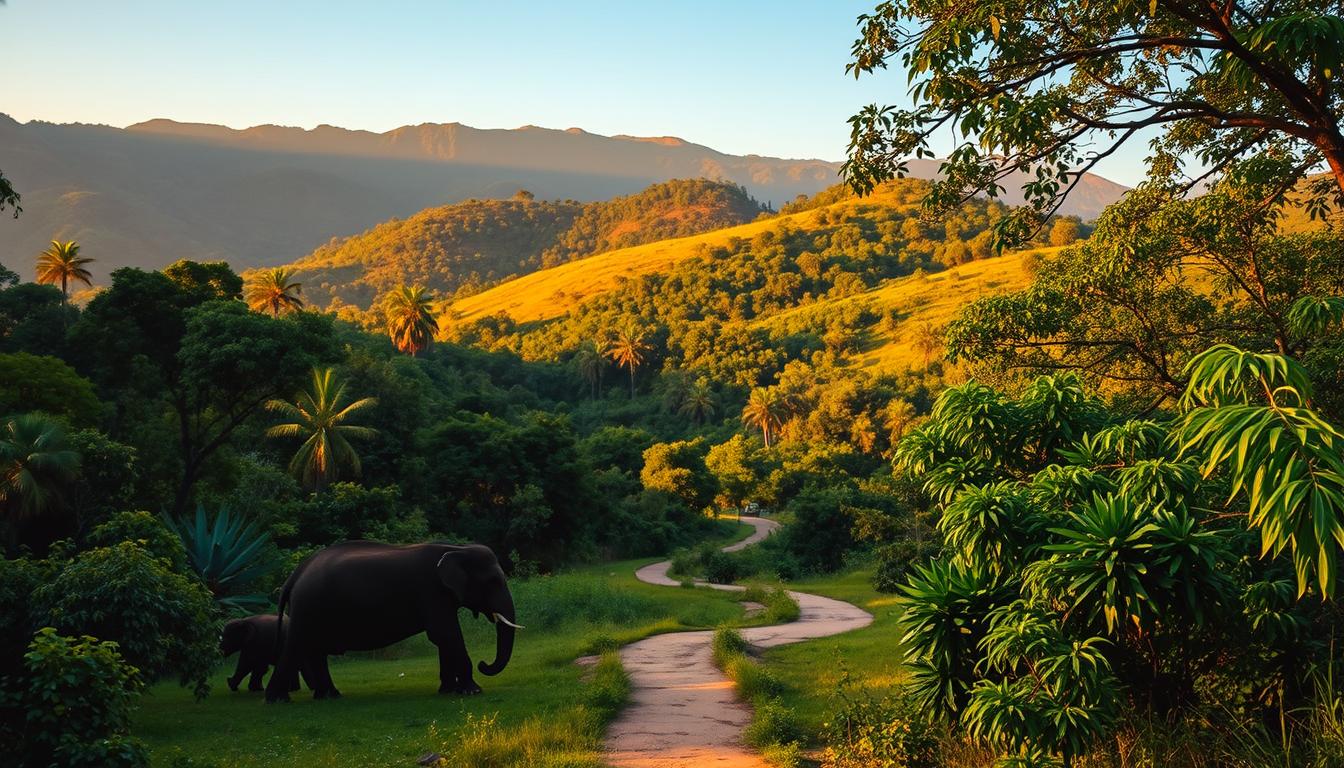
Best Wildlife Sanctuaries Near Bangalore for Family Safari
Have we ever wondered which nearby parks give the best family safari without long drives or complex permits?
We made a compact guide for families who want safe, ethical safari experiences with kids and elders. It highlights quick escapes like Bannerghatta for day trips and weekend-ready picks such as Bandipur and Nagarhole.
In our roundup we compare accessibility, safari windows, fees, species highlights, and child-friendly activities. We also note seasonality so families can time sightings, roads, and forest access for a smooth visit.
We stress responsible travel and simple logistics — entry timings, permits, and park rules — so planning stays easy. Expect kid-approved add-ons like butterfly parks, gentle boat rides, and riverside walks that pair well with a jeep safari.
Why we love planning family safaris to sanctuaries near Bangalore
A short drive from the city unlocks riverine groves, dry forests, and butterfly camps that make every trip feel new.
Karnataka’s protected areas offer varied habitats—Nagarhole’s riverine corridors, Bandipur’s dry deciduous tracts, Anejhari’s butterfly-rich camps, and the Cauvery riverside sanctuary. We can mix jeep safaris, short treks, birdwatching, and ethical elephant observation at Dubare.
We pick spots that work with family routines. Predictable safari windows and simple entry setups help us plan naps, meals, and a relaxed pace.
- Different habitats within a few hours keep kids curious and engaged.
- Extra activities—waterfalls, butterfly trails, and short walks—add variety beyond a single ride.
- Offbeat sanctuary options give quieter, budget-friendly moments for nature lovers.
- Good roads and clear signs reduce first-time stress for parents.
We focus on learning moments, ethical experiences, and choosing months with better visibility so everyone sees more and enjoys the trip.
wildlife sanctuaries near bangalore: our curated shortlist for families
We’ve picked a compact shortlist of parks that balance drive time, safari chances, and child-friendly extras. These are practical places to visit from the city for half-day escapes or weekend trips.
How we chose: distance, safari experience, and family-friendly activities
- Real drive times: Bannerghatta (~22 km) for half-day, Bandipur (~215 km) and Nagarhole (~236 km) for weekends, Dubare (~253 km) for elephant sessions.
- We rate each wildlife sanctuary by jeep/canter availability, crowd levels, and spotting chances for both big cats and common herbivores.
- Family add-ons: butterfly park and zoo at Bannerghatta, Dubare elephant sessions, Cauvery riverside birding, and Iruppu Falls near Nagarhole.
Quick glance: best time to visit across seasons
Best time visit guidance aligns with each park’s peak months. Bandipur is best Oct–Apr; Nagarhole peaks Apr–May; Bannerghatta works well Nov–Jun; Dubare Oct–May; Cauvery May–Nov; Arabithittu late Oct–Apr.
We also note safari timings and accessibility at entry gates so you can plan meals and naps. Pre-book where required and carry water, light snacks, and sunscreen for kids.
| Park | Approx. Distance | Best Months |
|---|---|---|
| Bannerghatta | 22 km | Nov–Jun |
| Bandipur | 215 km | Oct–Apr |
| Nagarhole | 236 km | Apr–May |
Bandipur National Park: classic big-cat country in the Nilgiri Biosphere Reserve
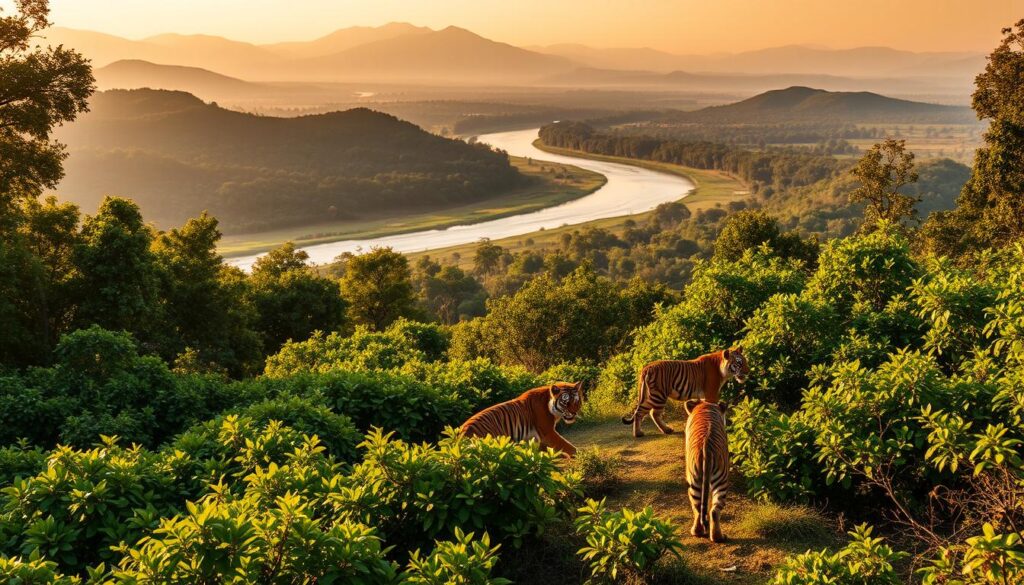
For families craving marquee sightings and easy logistics, Bandipur delivers classic forest views and strong tiger chances. The bandipur national area sits about 215 km from Bangalore in Chamarajanagar district. It forms a key part of the nilgiri biosphere reserve and rewards patient, quiet viewing.
Safari timings, fees, and the best time to visit
The park day window runs roughly 6:30 am–3:30 pm with morning and afternoon safari slots. Indicative entry fees start at INR 300 for Indians and INR 1500 for foreigners; confirm current rates and vehicle options before you go. Best time to plan a trip is October–April when dry months improve visibility.
Family highlights: species to spot and activities
Kids spot tigers, leopards, elephants, sambar, chital, mouse deer, and gaur. We brief children on quiet behavior and no feeding to build responsible habits. Short nature talks and waterhole watches make every sighting rewarding.
How to reach from Bangalore and ideal day plan
We drive via Mysuru and Gundlupet with a dawn start and a breakfast stop before the forest stretch. Ideal plan: arrive late morning, lunch, afternoon safari, and overnight nearby to avoid night driving with kids.
| Item | Detail | Why it matters |
|---|---|---|
| Distance | ~215 km | Day/weekend feasible for families |
| Timings | 6:30 am–3:30 pm | Plan morning or afternoon safari |
| Fees (indicative) | INR 300 (Indians), INR 1500 (Foreigners) | Budget and vehicle choices |
| Best months | Oct–Apr | Clearer sightings at waterholes |
Nagarhole National Park (Rajiv Gandhi): riverine forests and Bengal tigers
We choose nagarhole national for its river corridors, rosewood groves, and the strong chance of spotting tigers alongside elephants and gaur. The park sits about 236 km from Bangalore in Kodagu and rewards early starts.
Safari windows, entry details, and seasonal tips
Visiting hours run roughly 6:45 am–8:45 am and 4 pm–6 pm. Typical safari timings cited are 6–8 am and 3–5 pm, so we arrive early to secure seats and avoid queues.
Entry fees are around INR 250; confirm jeep or boat availability by zone before you go. The best time visit is April–May for peak visibility, or post-monsoon for lush scenery.
Wildlife checklist and Iruppu Falls add-on
- Species to tick off: Bengal tiger, Indian elephant, gaur, spotted deer, langurs, peafowl.
- We brief kids on riverine forest etiquette—silence near water and no littering.
- Include Iruppu Falls as a gentle add-on; supervise wet rocks and wear proper footwear.
| Item | Detail | Family tip |
|---|---|---|
| Distance | ~236 km (Kodagu) | Overnight in Kabini to combine two safaris |
| Timings | 6–8 am; 3–5 pm | Book morning slot first for best sightings |
| Entry fee | ~INR 250 | Carry cash and ID; pre-check vehicle options |
Bannerghatta National Park: the closest wilderness escape
Bannerghatta national park sits about 22 km from the city on Bannerghatta Road, making it our go-to for a short family outing. We pick it for low drive time and reliable child-focused activities.
Kids love the butterfly park, compact zoo displays, and the guided safari in secure vehicles. We find these activities keep energy high and attention spans longer. Ragihalli Reserve Forest viewpoints are a handy add-on if time allows.
Visiting hours typically run 10:00 am–4:30 pm. Entry to the zoo area is around INR 80 for adults, INR 40 for children, and INR 400 for foreign nationals. Safari tickets are separate, so we budget for both and arrive early on weekends to avoid long queues.
We recommend visits from November to June for comfortable weather and clearer views of enclosures. We schedule short snack and restroom breaks to keep kids fresh. Above all, we remind everyone to observe quietly, avoid feeding animals, and respect barriers.
| Item | Detail | Our tip |
|---|---|---|
| Distance | ~22 km | Half-day or full-day outing with minimal drive |
| Timings | 10:00 am–4:30 pm | Arrive early on weekends; book safari separately |
| Fees | INR 80 (adult); INR 40 (child); INR 400 (foreign) | Carry cash/card; plan for safari cost |
| Best time visit | Nov–Jun | Cooler weather and better enclosure visibility |
Cauvery Wildlife Sanctuary: riverside safaris for nature lovers
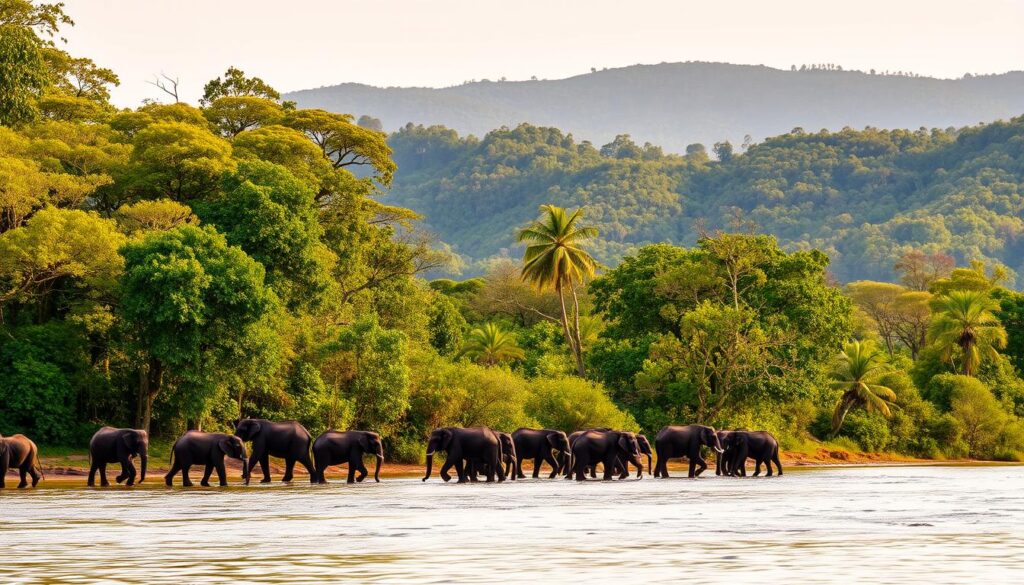
The Cauvery corridor brings riverine mosaics alive — ideal for spotting otters, four-horned antelope, and colourful birds.
Unique sightings — what to expect
We recommend Cauvery Wildlife Sanctuary for a gentle day-trip that mixes river edges and dry forest patches. Species to watch include the four-horned antelope and barking deer.
Look for otters on sandbanks and Mahseer flashes in clear pools. Bring binoculars for White-browed Bulbul and Green-billed Malkoha sightings. Keep kids quiet near water to improve chances.
Best months, timings, and planning a day trip
- Best time visit: May–November for pleasant river activity and birding.
- Typical timings: 10:00 am–4:30 pm; aim for late morning or mid-afternoon slots to avoid peak heat.
- Travel routes: we prefer Kanakapura or Malavalli to keep drive times manageable from the city.
- Pack water, sun protection, and snacks; boat or interpretation activities may open seasonally—check locally.
| Item | Detail | Why it matters |
|---|---|---|
| Area | ~527 sq km | River and dry-forest mix for varied sightings |
| Best months | May–Nov | Active river fauna and good visibility |
| Timings | 10:00 am–4:30 pm | Plan around heat and water activity |
| Indicative fee | ~INR 200 per person | Budget for entry and any boat rides |
Dubare Elephant Camp: memorable elephant interactions in Kodagu
Dubare offers short, structured elephant sessions that fit a relaxed Kodagu day plan. The camp sits on the Kaveri River about 253 km from the city and works well as a weekend stop or an overnight on a longer loop.
Session timings are typically 8:00–11:00 am and 4:30–5:30 pm. Indicative costs run around INR 800 for Indian nationals and INR 1,437 for foreigners. We book early on busy weekends to secure spots and avoid disappointment.
We focus on ethical experiences: no feeding, no teasing, and following mahouts’ directions. The surroundings host sambar, spotted deer, leopards, wild dogs, gaurs, bears, crocodiles, and rich birdlife. We use the session to teach kids about elephant biology and care.
- Plan morning or late-afternoon sessions to match elephant behaviour and light conditions.
- Add low-effort activities: the Kaveri hanging bridge at Nisargadhama, riverside birding, and short plantation walks.
- Carry quick-dry footwear for river edges and brief children on safety around water and animals.
| Item | Detail | Family tip |
|---|---|---|
| Distance | ~253 km (Kodagu) | Overnight in Coorg to avoid late returns |
| Timings | 8:00–11:00 am; 4:30–5:30 pm | Choose one session; arrive 30 mins early |
| Indicative cost | INR 800 (Indians); INR 1,437 (Foreigners) | Carry ID, cash or card; book in advance |
| Nearby places | Nisargadhama, Veerabhoomi, plantation trails | Combine for a full day of nature activities |
Arabithittu Wildlife Sanctuary: offbeat for birders near Mysuru
Arabithittu is a low-key gem for families who want focused birding and quiet trails outside Mysuru. The protected area covers about 13.5 sq km in Hunsur Taluk and mixes sandalwood and eucalyptus plantations with scrub and grassland.
Visiting is different here: tourism is limited and special permissions or organized camps may be required. We plan late October to April for the best sightings and cooler weather for kids.
What’s allowed, when to go, and what to expect
Arabithittu hosts over 230–250 bird species and offers signs of leopard, fox, and spotted deer. We bring binoculars and field guides to turn every trail edge into a kid-friendly identification game.
Expect minimal infrastructure. We base ourselves in Mysuru, travel early, and pack picnic-style meals. Small groups and staying on permitted paths reduce disturbance to the habitat and nesting birds.
- Plan permits or join organised camps to gain access.
- Late Oct–Apr is the prime window for sightings and comfortable days.
- Respect plantation zones and avoid collecting flora or disturbing nests.
| Item | Detail | Why it matters |
|---|---|---|
| Area | ~13.5 sq km | Compact, focused birding |
| Best months / timings | Late Oct–Apr; mornings best | Peak bird activity and cooler weather |
| Access | Permits / organised camps | Limited facilities; plan from Mysuru |
We recommend Arabithittu for families comfortable with rules and who value rich bird lists over easy facilities. As an offbeat sanctuary, it complements the more visitor-ready places we suggest elsewhere in the guide.
Sharavathi, Bhadra, and Dandeli corridors for extended family getaways
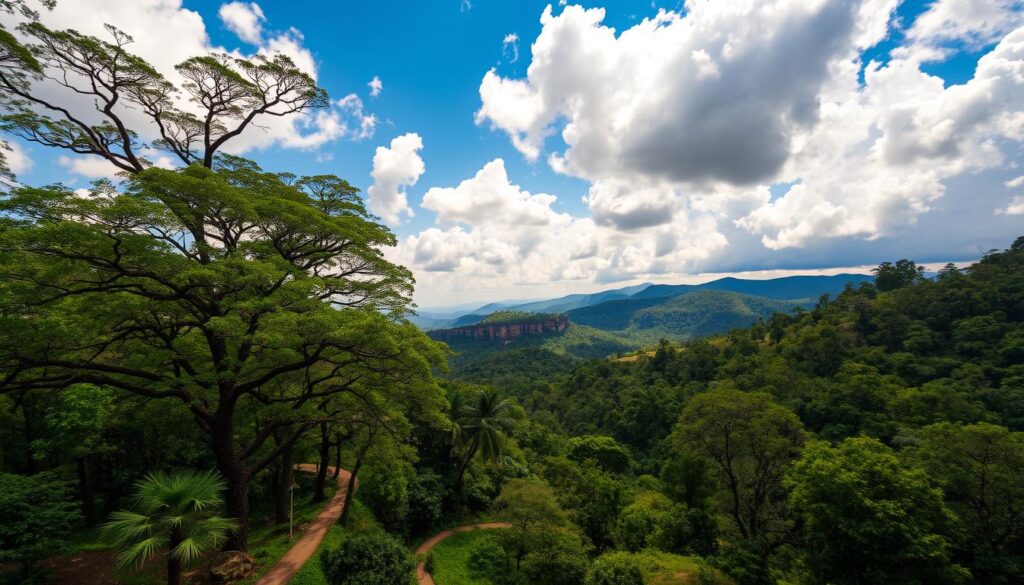
We extend a weekend into the Western Ghats to combine big reserves with river fun and primate trails. This longer loop gives more varied sightings and gentler pacing for children and elders.
Bhadra Wildlife Sanctuary: Project Tiger safaris and best slots
Bhadra Wildlife Sanctuary spans about 492.46 sq km in the Western Ghats. It forms part of Project Tiger and offers reliable safari windows at 6:30–8:30 am and 4–6 pm.
Indicative costs run roughly INR 400 per head for a five-seat jeep and around INR 300 per head for a canter. Species include tiger, leopard, wild dog, elephant, gaur, sambar, spotted deer, and the Malabar giant squirrel.
Dandeli-Kali landscapes: riverine adventures and birding
Dandeli, inside the Kali Tiger Reserve area (~866 sq km), pairs early safaris (6–9 am; 3–6 pm) with river activities on the Kali. Expect elephants, bison, wild dogs, and rich birdlife along riverine corridors.
- Base near gates to cut early travel time.
- Mix morning safaris with relaxed afternoon bird walks or interpretation visits.
- Pack layers and rain protection for shifting Ghats weather.
| Place | Area (sq km) | Best months / Timings |
|---|---|---|
| Bhadra | 492.46 | Nov–May; 6:30–8:30 am, 4–6 pm |
| Dandeli (Kali) | ~866 | Oct–May; 6–9 am, 3–6 pm |
| Sharavathi Valley | — | Nov–May; good for primates and hornbills |
Inside the Nilgiri Biosphere Reserve: how Bandipur and Nagarhole connect
Traveling between Bandipur and Nagarhole shows how connected forests support wide-ranging species and resilient populations.
Both parks are components of the nilgiri biosphere reserve and form a contiguous landscape that lets tigers, elephants, and gaur move freely across dry and riverine zones. Families visiting both get a clear contrast: Bandipur’s drier ridges and Nagarhole’s lush river corridors.
- Connected forest blocks and river systems maintain genetic flow and healthy populations.
- Plan routes that use highway corridors and avoid crossing core zones or restricted areas.
- Stick to designated routes and avoid night driving to protect animal movement and safety.
| Park | Forest type | Family tip |
|---|---|---|
| Bandipur | Dry deciduous ridges | Combine an afternoon safari with a nearby stay |
| Nagarhole | Riverine groves | Book early morning boat or jeep safaris for best sightings |
| Both | Contiguous corridor | Pair on a long weekend to see complementary habitats |
Monsoon cycles change foliage and visibility across the connected landscape, so sightings vary by season. We ask families to map sightings to habitats and teach children why large reserves matter for species survival.
Sanctuaries with special focus: Daroji Sloth Bear and Jayamangali Blackbuck
We spotlight two compact places that each teach kids different lessons about animal behaviour and habitat. Daroji highlights nocturnal herbivore habits on rocky hills, while Jayamangali showcases open-grassland herds and courtship displays.
Daroji Sloth Bear Sanctuary hosts about 120 sloth bears. Visiting window runs 6 am–6 pm. The best time to go is August–April. Entry is roughly INR 50 for Indians and INR 300 for foreigners; vehicle fees apply. We aim to arrive mid-afternoon to watch bears moving toward feeding zones at dusk.
Jayamangali Blackbuck Reserve, about 100 km north of the city, holds Karnataka’s second-largest blackbuck population. Post-monsoon through winter gives clear skies and active herds. Entry fee is roughly INR 100 per person.
- Family etiquette: keep distance, use binoculars, stay quiet, and never approach animals.
- Avoid off-road driving to protect ground nests and fragile grassland species.
- Pack hats, water, and light layers for sun and wind exposure.
| Place | Key species | Timings / best time | Entry fee |
|---|---|---|---|
| Daroji | Sloth bear (~120) | 6:00 am–6:00 pm; Aug–Apr | INR 50 (Indians); INR 300 (Foreign) |
| Jayamangali | Blackbuck herds | Post-monsoon–winter; daylight viewing | INR 100 per person |
Western Ghats gems near Bangalore for trekking and birds
Our picks in the Western Ghats combine kid-friendly trekking with top-tier birding and simple, safe routes. These places give a mix of highland trails, evergreen cover, and easy stays that work well for families.
Pushpagiri and Talakaveri: peaks with rare birdlife
Pushpagiri wildlife sanctuary in Somwarpet is a prime bird area. From November to March we look for Nilgiri flycatcher and the black-and-orange flycatcher on crisp morning walks.
Talakaveri wildlife sanctuary protects evergreen forests and hosts elephants, tigers, and lion-tailed macaques. We choose short nature trails and teach kids safe viewing distance around primates.
Mookambika and Anejhari Butterfly Camp experiences
Mookambika sanctuary mixes evergreen and deciduous zones for varied flora and fauna. Trails are gentle and family-friendly, with plenty of shade and bird calls to point out.
Anejhari Butterfly Camp at Kollur offers cottages, tents, and guided butterfly trails. We spot Tamil Lacewing, Malabar Tree Nymph, and kingfishers on dawn walks. The camp pairs short treks with focused bird and butterfly sessions.
- We keep treks short for kids and plan morning or late-afternoon slots to avoid heat.
- Binoculars and a simple checklist make birdwatching engaging for younger explorers.
- Kodachadri Peak is an option for older children with good footwear and permits.
| Place | Best months | Family tip |
|---|---|---|
| Pushpagiri | Nov–Mar | Short bird walks; simple checklists |
| Talakaveri | Nov–Apr | Gentle trails; primate-safe viewing |
| Anejhari / Mookambika | Oct–Mar | Eco-stay and butterfly trails; combine with Kodachadri |
Best time to visit by season for sanctuaries near Bangalore
Picking the right month makes a big difference in sightings, road access, and family comfort for short nature trips. We map seasons to park windows so families can plan school breaks and weekend outings with confidence.
Monsoon (June–September)
Monsoon brings lush green views and waterfalls but also rain-related closures and leeches. Trails may close and safaris can be limited. We treat this as a great time for waterfalls and greenery, not guaranteed big-animal sightings.
Post-monsoon (October–November)
We favour post-monsoon for fresh foliage and active birdlife. This is a prime best time visit window for Bandipur (Oct–Apr), Dubare (Oct–May), and Jayamangali (post-monsoon–winter).
Winter (December–February)
Winter gives cool mornings and reliable road access. This best time helps families planning longer trips to Nagarhole, Bannerghatta, and Arabithittu for clear views and comfortable days.
Summer (March–May)
Heat increases animal gatherings at waterholes. Early starts are key for Bandipur, Nagarhole (Apr–May peak), and Daroji (Aug–Apr overlap). Pack electrolytes and light layers.
| Season | Parks in window | Why it matters |
|---|---|---|
| Monsoon | Sharavathi, Pushpagiri | Greenery, waterfall views; trail closures possible |
| Post-monsoon | Bandipur, Dubare, Jayamangali | Fresh foliage, active birds; good visibility |
| Winter | Bannerghatta, Arabithittu | Comfortable temps; reliable access for family trips |
| Summer | Nagarhole, Daroji | Waterhole sightings; early-morning safaris advised |
Seasonal behaviour shifts—migrations, rutting, and waterhole congregation—shape what we expect to see. We always pack rain gear for monsoon, layers for winter mornings, and extra fluids for summer. Keep a flexible backup plan in peak rains in case trails or safari slots change at the last minute, and check local updates before any places visit.
Distances, travel routes, and how we plan road trips
We map routes to balance drive time and safari timings so family days stay calm and predictable. Early starts give the best light and animal activity. We keep plans flexible for breaks and small delays.
Typical drive times and route tips from Bangalore
For half-day trips we aim for dawn departures to Bannerghatta (~22 km). For weekend reserves we leave very early for Bandipur (~215 km), Nagarhole (~236 km), or Dubare (~253 km). Sharavathi Valley lies farther, at about 350 km.
- Use the Bengaluru–Mysuru expressway, then branch to Gundlupet for Bandipur; expect holiday traffic delays.
- Route to Nagarhole via Mysuru–Hunsur–Kutta and check gate-wise safari booking updates.
- Pre-book stays close to gates, avoid night driving, and build buffer time for fuel and snacks.
- Carry offline maps, confirm last-mile directions with the lodge, and keep vehicle essentials on board.
| Place | Distance (km) | Typical drive time |
|---|---|---|
| Bannerghatta | 22 | 45 min–1 hr |
| Bandipur (via Gundlupet) | 215 | 4–5 hrs |
| Nagarhole (Kutta/Kabini) | 236 | 4.5–5.5 hrs |
| Dubare (Kodagu) | 253 | 5–6 hrs |
What to pack and how to safari with kids responsibly
Good preparation reduces stress and turns slow drives into discovery time for species, birds, and flora fauna.
We follow standard park rules: silence, no feeding, and staying within permitted timings and tracks. We remind children that sightings are never guaranteed, so we celebrate tracks, calls, and small sightings as wins.

- Neutral clothing, hats, light layers, and rain protection for humid Western Ghats or post-monsoon trips.
- Binoculars, a simple field guide, and a notebook so kids log species and learn flora-fauna links.
- Quiet-time games, low-waste snacks, and a carry-in carry-out attitude to keep places visit clean.
- Brief kids on safety: no feeding, keep limbs inside vehicles, stay quiet near water and elephant herds.
- Keep cameras on silent mode and respect guides’ cues; many parks run limited morning and evening windows.
| Item | Why it matters | Best time to use |
|---|---|---|
| Neutral clothing & hat | Blend in and keep sun-safe | Morning and afternoon safari slots |
| Binoculars & guide | Turn drives into learning activities | Any viewing period for birds and small species |
| Snacks & quiet games | Keep children alert and patient | Before and between safari activities |
Suggested two to five-day itineraries for nature lovers
We outline compact two- to five-day plans that suit families and nature lovers who want easy logistics and varied experiences.
Weekend sampler: Bannerghatta or Cauvery
Choose a 1–2 day sampler for a quick reset. Day 1 at Bannerghatta (22 km) pairs the butterfly park, zoo, and a short safari for a half- to full-day outing that fits child-friendly timing.
Or make a Cauvery day trip timed for the park’s 10:00 am–4:30 pm window. A mid-morning start gives riverside birding, a relaxed lunch, and an afternoon return.
Long-weekend loop: Bandipur–Nagarhole–Kabini
For a 3–4 day loop we recommend: Day 1 drive to Bandipur with an afternoon safari; Day 2 morning safari then transfer to Kabini; Day 3 morning Nagarhole safari and a calm afternoon by the backwaters; Day 4 return to the city.
Keep drive legs under 5–6 hours, book safari slots in advance, and pick lodges close to gates for easier dawn starts.
- Rotate activities—jeep safari, short walk, and an interpretation visit—to keep kids engaged.
- Include optional Iruppu Falls as a brief waterfall stop near Nagarhole; supervise slippery areas.
- Build flexible meal and rest windows so each day stays enjoyable for all ages.
| Itinerary day | Main activity | Drive time |
|---|---|---|
| Day 1 | Bannerghatta: butterfly park + safari | 22 km (~1 hr) |
| Day 1 (alt) | Cauvery: birding & riverside walk | Varies (~2–3 hrs) |
| Day 2–4 | Bandipur morning safari; Kabini stay; Nagarhole safari | Drive legs under 5–6 hrs |
Conclusion
To conclude, we offer a compact plan so families can turn short drives into rich nature experiences. Our shortlist of Bandipur, Nagarhole, Bannerghatta, Cauvery, Dubare and offbeat spots like Arabithittu, Daroji and Jayamangali helps match moods and timing to your group.
Pick the best time visit from our season guide—post‑monsoon to winter for comfort, summer for clearer sightings—and blend marquee parks with quieter reserves. This balance boosts sightings and keeps kids engaged.
Always follow simple ethics: stay on track, keep quiet, and never feed animals. Adapt our suggested itineraries by pace, adding butterfly trails, bird walks, or waterfalls as your kids enjoy.
Every visit deepens our connection to Karnataka’s forests and teaches the next generation to care for wildlife.