Char Dham of South India from Bangalore: Complete Pilgrimage Guide
Have we ever wondered how four temples scattered across the country form one timeless circuit and what it means for our spiritual journey?
We open this guide by mapping the circuit that links Rameshwaram, Puri, Dwarka and Badrinath. We explain why Adi Shankaracharya’s vision shaped a pan‑country pilgrimage and why this path still draws people after many years.
From Bangalore, we outline how to plan a practical route that honors tradition while saving time and effort. We preview each temple, key towns and the seasonal windows that affect travel, so readers know what to expect.
This introduction sets our aims: clear history, smart logistics, festival timing, and respectful on‑ground tips. Whether we are first‑time pilgrims or return visitors, this guide will balance sacred rhythm with modern travel needs.
Understanding the south india char dham: Meaning, Origins, and How It Differs from the Chota Char Dham
To understand this pilgrimage, we must first trace how four shrines came to map the spiritual geography of the country. The phrase “char dham” names four principal abodes placed across cardinal directions to make sacred travel accessible to many.
What the name means and its origin
We credit adi shankaracharya with unifying these four sites into a linked practice. Each temple represents distinct deities and rites, forming a balanced spiritual path across coastal and inland places.
Bada circuit vs. the Himalayan circuit
The Bada circuit includes Puri, Dwarka, Rameshwaram, and Badrinath and is an all‑country network of major temples. The Chota circuit, also known as the Himalayan yatra, covers high‑altitude shrines in Uttarakhand and is seasonally limited.
The traditional clockwise route
Tradition directs pilgrims to start at Puri, proceed to Dwarka, touch Rameshwaram, and conclude at Badrinath. This clockwise sequence carries ritual logic tied to directionality and pilgrimage rhythm.
- Meaning and history rooted in tradition
- Differences in access, rituals, and seasons
- Practical naming conventions to avoid confusion
| Aspect | Bada Circuit | Chota Circuit |
|---|---|---|
| Typical Sites | Puri, Dwarka, Rameshwaram, Badrinath | Kedarnath, Gangotri, Yamunotri, Badrinath |
| Access | Year‑round coastal and plains | Seasonal, high altitude |
| Experience | Temple rituals and coastal shrines | Mountain tirthas and trekking |
Planning Your Pilgrimage from Bangalore: Timing, Modes, and Routes
Good timing and smart routing turn a long pilgrimage into a manageable, meaningful tour from Bangalore. We map the seasonal window so coastal visits work with the mountain opening and close. Aligning plans around the Badrinath calendar helps the entire char dham yatra stay smooth.
Best time to travel
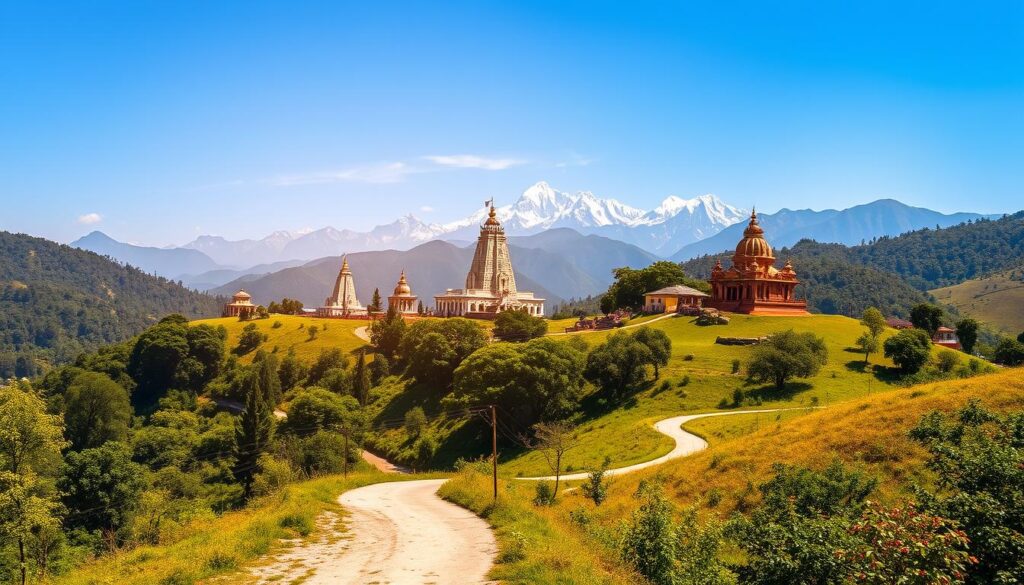
Badrinath opens around Akshaya Tritiya (May) and closes near Bhai Dooj (November). That winter closure means we schedule the mountain leg between May and November. Puri, Dwarka, and Rameshwaram remain accessible most of the year.
How to get there
From Bangalore we recommend flights to hubs (Chennai, Mumbai, Bhubaneswar) then short connections. Trains offer budget options to coastal city stations while flights save time for the long legs.
- Allow buffer days for weather and altitude when heading to Badrinath.
- Use hubs to cut cost and combine legs into one efficient journey.
- Consider a consolidated tour if you prefer a single‑booked itinerary.
| Leg | Best Mode | Timing Notes |
|---|---|---|
| Bangalore → Puri | Flight via Bhubaneswar or train | Year‑round; flexible booking |
| Puri → Dwarka | Flight via Mumbai or overnight train | Coastal temples open all year |
| Dwarka → Rameshwaram | Flight + road or train | Plan hubs to reduce backtracking |
| Rameshwaram → Badrinath | Flight to Dehradun + road (NH‑58) | Schedule in May–Nov; add acclimatization days |
Rameshwaram, Tamil Nadu: Ramanathaswamy Temple and the Shaivite anchor of the Char Dham
Rameshwaram greets us with a blend of myth, vast corridors, and salt‑stung air. The town sits on Pamban Island and centers on the ramanathaswamy temple, a famed Jyotirlinga linked to lord rama and the Ram Setu story.
Myth and history
We trace the shrine’s history to epic tradition. Devotees revere this as a meeting point of lord shiva and lord rama, where the bridge to Lanka adds sacred weight.
Temple essentials and timings
The corridors are a highlight: long, pillared halls built for meditative walking and darshan. Plan for morning puja and afternoon aarti; peak darshan hours are early and just before sunset.
Tirthas, Danushkodi, and practical tips
Agni Theertham is the chief tirtha among roughly 64 bathing spots. We follow the customary sequence: sacred bath, darshan, then local prasadam. Danushkodi at the island tip gives a solitary shoreline that deepens the visit place with quiet views.
- Access Pamban by road; check tide and weather before venturing to Danushkodi.
- Wear modest wet‑area clothing, keep valuables dry, and use slip‑on footwear for easy removal.
- Tourists with families should aim for early hours, carry water, and rest in shaded mandapams.
| Feature | What to expect | Best time |
|---|---|---|
| Corridors | Long pillared halls for circumambulation | Early morning |
| Agni Theertham | Primary sacred bath among 64 tirthas | Morning or after puja |
| Danushkodi & Pamban | Evocative shoreline, scenic views, easy walks | Late afternoon for sunset |
Puri, Odisha: Lord Jagannath, the Rath Yatra, and the sacred coast
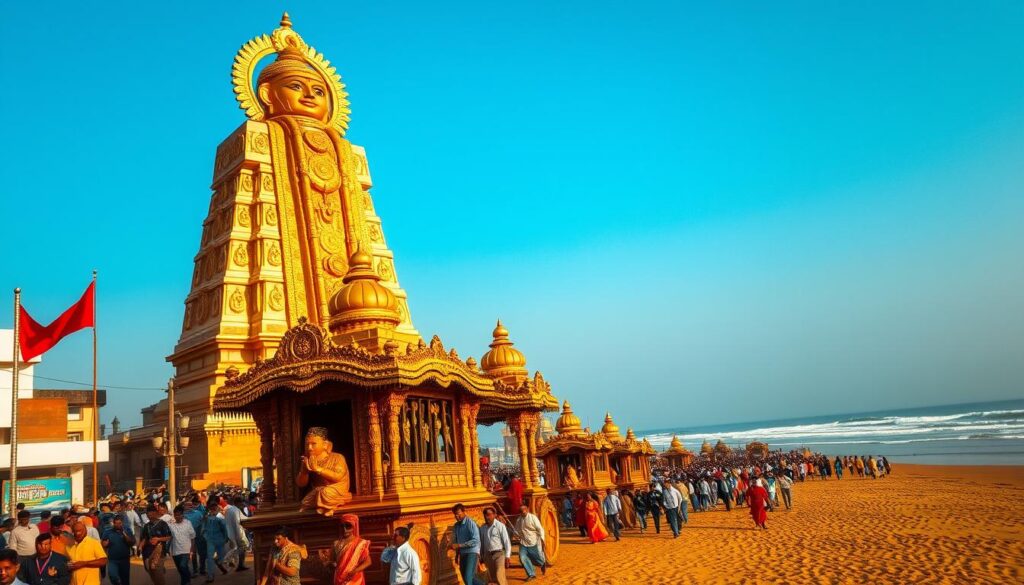
Puri opens as a living sanctuary where ritual, sea breeze, and centuries of devotion meet. As Purushottama Kshetra, the city hosts the Jagannath Temple and daily rites that shape local life and our pilgrimage rhythm.
Historic and spiritual significance
The Jagannath Temple anchors Vaishnavite worship and local history. We note how lord jagannath features in myths and ongoing temple routines. Nearby mathas keep teachings alive and maintain temple names and roles.
Rath Yatra and route to Gundicha Temple
The Rath Yatra festival draws vast crowds as Jagannath, Balabhadra, and Subhadra move in chariots to the gundicha temple. The best time to witness it is on the festival date listed each year; plan early arrival, hydration, and designated pickup points.
Nearby sites and practical tips
Konark’s Sun Temple and Loknath Temple fit easily into a day circuit from Puri. We suggest morning darshan, beach time in the afternoon, and sampling local prasad after aarti.
- Follow temple entry norms and queue flows to optimize darshan.
- Keep valuables secured and carry water on festival days.
- Visit mathas to learn rituals and local history in short sessions.
| Attraction | Best Time | Notes |
|---|---|---|
| Jagannath Temple | Year‑round; Rath Yatra peak | Early morning darshan recommended |
| Rath Yatra → Gundicha Temple | Festival day | Expect crowds; use official routes and drop points |
| Konark & Loknath | Dry season, daylight hours | Pair as a half‑day heritage circuit |
Dwarka, Gujarat: Dwarkadhish Temple and Krishna’s western abode
Where river meets sea, we find a pilgrimage place tied to myth, architecture, and daily devotion. Dwarka stands as the western pillar of our circuit, rooted in the lineage of lord krishna and the Dwarka Pitha set up by Adi Shankaracharya.
Legends and lineage
We trace the town’s history to Krishna’s reign and the temple traditions that grew around it. Submerged‑city lore and archaeological notes add a layered past that deepens our reverence for this city.
What to see and timings
The dwarkadhish temple hoists a flag five times daily; watch near Swarga Dwar for entry rituals and at Moksha Dwar on exit. Plan early morning for calm darshan or late afternoon for the flag ritual and sunset walks along the Gomti ghats.
- Combine nearby shrines for a full spiritual day.
- Expect festival crowds; choose off‑peak hours if we need quieter time.
- Follow modest dress, queue etiquette, and local donation norms; rest frequently for elders and children.
| Spot | Best Time | Notes |
|---|---|---|
| Dwarkadhish Temple | Early morning, late afternoon | Flag ritual five times; plan darshan flow |
| Gomti Ghats | Sunset | Serene river‑meets‑sea views and sea breeze |
| Nearby shrines | Midday | Pair visits; pick hygienic prasad spots close to the precincts |
Badrinath, Uttarakhand: Lord Vishnu’s northern seat and the Himalayan gateway
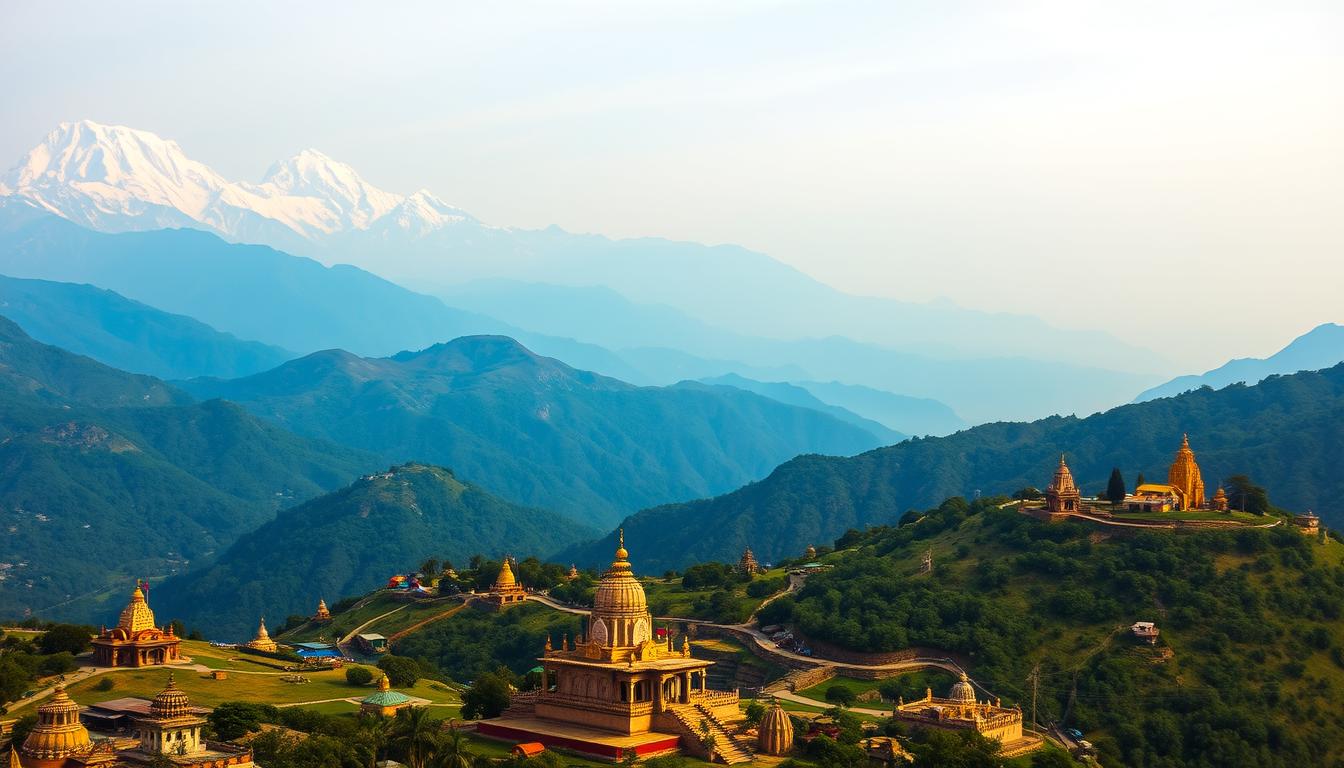
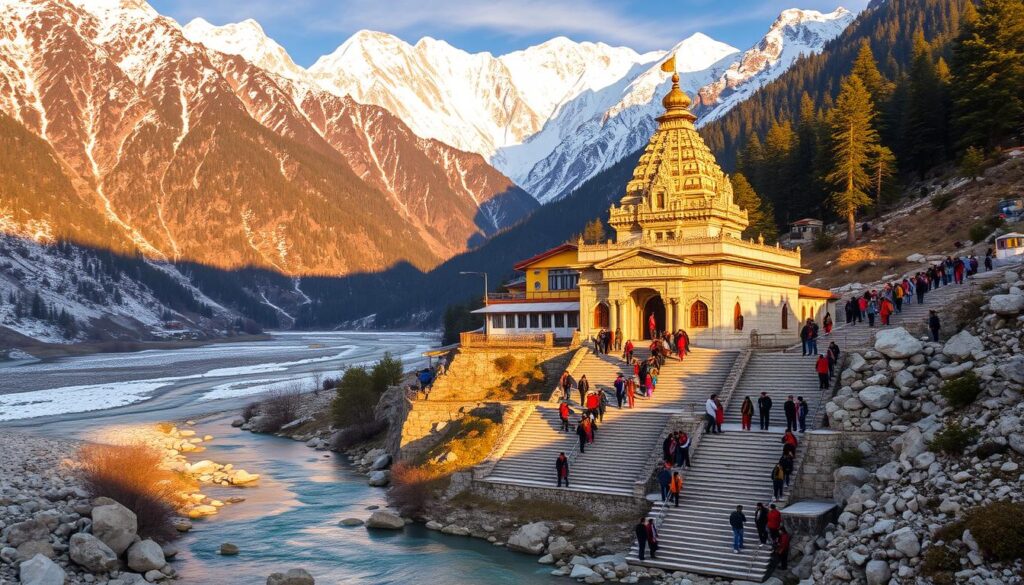
Our northern anchor, badrinath dham, sits on the Alaknanda river beneath the Nilkantha peak. The compact town places the famed idol of Lord Badrinarayan—crafted from black stone—at its heart.
From black stone idol to divine peaks: history, Nilkantha, and Nar‑Narayana
The badrinath temple holds a black stone image of Vishnu known as Badrinarayan. The setting between the Nar and Narayana ranges gives each darshan a dramatic backdrop.
Temple timings and seasonal window: Akshaya Tritiya to Bhai Dooj
The shrine opens around Akshaya Tritiya and closes near Bhai Dooj for winter. This time frame dictates the best time to plan the mountain leg of our pilgrimage.
Nearby sacred places and practical tips
Short visits to Tapt Kund, Brahma Kapal, Charanpaduka, and Vasudhara Falls fit into one or two relaxed days. The town’s layout makes these walks easy for pilgrims.
- Arrive via NH 58 from Rishikesh; Jolly Grant is the nearest airport.
- Layer clothing, hydrate, and pace walks to adjust to altitude.
- Respect aarti timing, avoid flashes in narrow corridors, and follow prasad customs.
| Feature | Best Time | Notes |
|---|---|---|
| Darshan slots | Early morning / late afternoon | Choose off‑peak hours for quieter worship |
| Access | May–Nov | Roads require weather buffers; plan extra travel time |
| Nearby sites | Same day / next day | Combine short walks to Tapt Kund and Vasudhara Falls |
Sample Itineraries for a Complete Dham Yatra from Bangalore
We map two practical itineraries that balance sacred tradition with modern travel needs. The first follows the traditional clockwise route: Puri → Dwarka → Rameshwaram → Badrinath. The second compresses travel using seasonal swaps and mixed transport to save time.
The traditional clockwise plan
Day-by-day, we place temple mornings first and travel in the afternoons. This keeps darshan priorities intact and avoids late arrivals.
- Start at Puri for morning puja and a buffer night near the station.
- Fly or take an overnight train to Dwarka, allow an easy afternoon for ghats and flag rituals.
- Move south to Rameshwaram by flight/train, reserve a full day for corridors and tirthas.
- Finish at Badrinath within the May–November window, adding acclimatization nights.
Optimized routing by season and transport
When weather threatens the mountain leg, we sequence coastal places first and slot Badrinath into its open time. Flights and express trains compress transfers without making the journey feel rushed.
- Use hub flights to cut long road segments and reduce fatigue.
- Schedule buffer nights near major airports or railheads to absorb delays.
- Keep a plan-B for road closures: extend a stay or reroute to a nearby city.
| Sample Tour | Duration | Transport Mix | Notes |
|---|---|---|---|
| Compact | 10 days | Flights + 2 trains | Faster pace, fewer buffer nights; best for 2-week leave |
| Balanced | 12 days | Flights, express trains, road | Good rest days, morning aarti slots planned |
| Leisure | 14 days | Road + trains + flights | Extra buffer nights, relaxed temple time, plan-B friendly |
We recommend securing morning aarti tickets in advance and packing a checklist with ID, temple prasadam sacks, layered clothing, and essential medicines. This keeps our tour smooth across cities and places all year.
Where to Stay: Trusted Hotels and Dharamshalas near the Temples
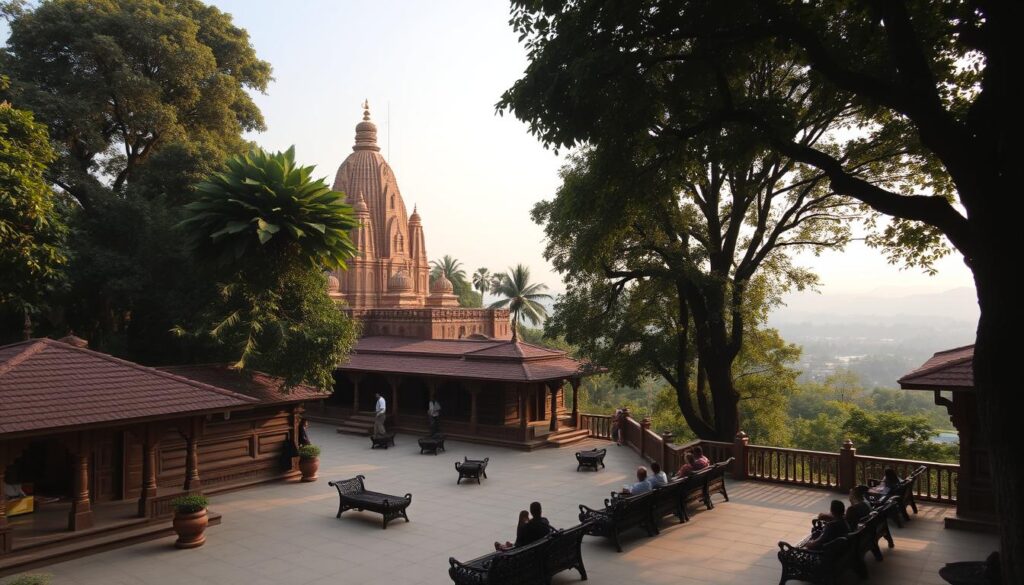
Choosing the right place to sleep shapes our daily rhythm on this pilgrimage. We focus on stays that cut last‑mile travel so we reach the temple gates without early‑morning rush.
City‑wise picks
In Puri we recommend Mayfair Beach Resort for its beachside comfort and quick, roughly 3 km access to the Jagannath temple. The location lets us enjoy sea air and still make morning aarti.
Dwarka’s Govardhan Green Resort stands out for family amenities and food. It gives a relaxed experience for multi‑generational groups and short walks to key ghats.
For the mountain leg, Sarovar Portico is coveted during the year’s open window for central heating and proximity to the main shrine. Hotel Narayan Palace is a practical alternative nearby that often offers cancellable rates.
In the town of Rameshwaram we favor Blue Coral Cottage and Tamil Nadu Hotel for early starts and simple comforts. Choose by location and wake‑up schedule to avoid long pre‑darshan commutes.
Booking and stay tips
- Book early for peak festivals and the Badrinath season; prefer refundable rates when possible.
- Mix hotels and dharamshalas to balance spiritual ambiance with restful nights near temples.
- Look for heating/AC, in‑house dining, and walkable routes to reduce travel stress on darshan days.
- For safety and hygiene, read recent reviews and confirm on‑ground access before paying deposits.
| Location | Recommended Stay | Key Benefit |
|---|---|---|
| Puri (city) | Mayfair Beach Resort | Beachside comfort; quick access to temple |
| Dwarka | Govardhan Green Resort | Family amenities; good food |
| Badrinath | Sarovar Portico / Hotel Narayan Palace | Heating; central location near shrine |
| Rameshwaram (town) | Blue Coral Cottage / Tamil Nadu Hotel | Early start friendly; close to corridors |
We advise travelers to check last‑mile transit from each stay to the temple so people face minimal stress on darshan day and can focus on the visit.
Pilgrim Etiquette and Practical Tips
Careful preparation and simple manners keep our temple visits calm and focused, even on crowded days. We explain clear rules so pilgrims can honor rituals and help others have a safe visit.
Darshan, dress, and conduct
Wear modest clothing that covers shoulders and knees. Men and women should remove shoes at the gate. Carry minimal bags into sanctums.
Keep phones silent during aarti and avoid photography where signs forbid it. Offer prasad with both hands and follow donation boxes or counters.
Health, safety, and climate care
At Badrinath we pace walks, drink water, and layer clothing to handle altitude changes. Bring basic altitude meds if you need them.
On coastal days in Puri, Dwarka, and Rameshwaram we avoid peak heat by choosing early morning or late afternoon darshan times. Use sun protection and refillable bottles.
Practical movement and quiet spaces
Respect queues, yield space to elders, and stand clear during processions. For ritual baths at Rameshwaram, wear modest swimwear beneath a kurta and use secure footwear.
Find benches or temple mandaps to rest between rituals. These brief pauses help seniors and children keep energy steady across the pilgrimage.
Packing, contingency, and local respect
Pack rain shells, sun lotion, basic medicines, masks, and a small torch. Keep emergency numbers and ID ready. Plan alternate travel time for sudden winter or monsoon changes.
Dispose of waste responsibly and respect local vendors and residents who support temple life. Small courtesies keep the experience smooth for everyone.
| Topic | Best Practice | Why it matters |
|---|---|---|
| Dress & Footwear | Modest clothing; shoes off at entrance | Shows respect; keeps sanctum clean |
| Darshan Timing | Early morning or late afternoon | Avoids heat and crowd peaks |
| Health Prep | Hydrate, layer, basic meds | Manages altitude and coastal heat |
| Electronics & Photos | Follow temple rules; silent phones | Preserves ritual focus and privacy |
| Contingency | Extra days, emergency contacts | Handles sudden winter or monsoon shifts |
Conclusion
We close by noting how this four‑site pilgrimage weaves temples, nature, and ritual into one continuous journey. The vision of adi shankaracharya still guides the char dham path we can embrace every year.
The route spans sea‑washed shrines and Himalayan heights, from ramanathaswamy temple and lord shiva devotion to lord krishna at the dwarkadhish temple and the memory of lord rama. Puri’s procession to the gundicha temple and Badrinath’s black stone grace show the circuit’s variety.
Plan time around the badrinath dham window, honor local customs at each temple located in a city or town, and travel with gratitude. Finalize bookings, keep documents ready, and step into the next dham yatra with open hearts.