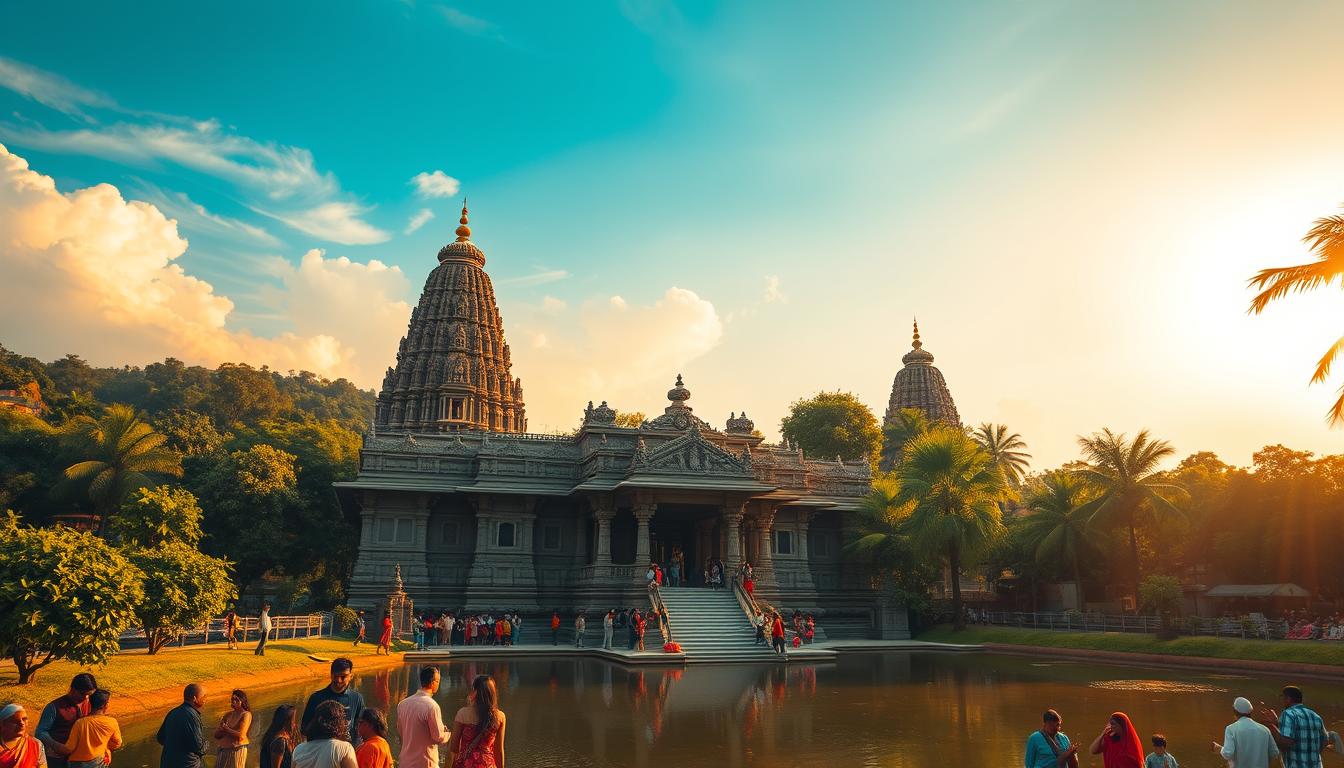
Powerful Temples Near Bangalore for Specific Wishes (Categorized Guide)
Have you ever wondered which shrine fits a particular wish: inner strength, wealth, or quiet reflection?
We map out destinations in and around the city so you can match a goal with the right temple. Our guide highlights Shivoham Shiva Temple with its 65-foot statue, ISKCON in Rajajinagar with easy Metro access, the monolithic Nandi at Bull Temple in Basavanagudi, Someshwara at Halasuru with Chola carvings, Gavi Gangadhareshwara’s rock-cut cave, and the gold-clad Sripuram in Vellore.
We also preview practical details like Old Airport Road and Mahalakshmi Metro station, typical peak hours, and how to plan day trips without rushing devotion.
Short, skimmable H2 categories and temple picks will help us plan a meaningful route. We want visitors to leave with clear next steps and a choice that fits their intent.
How we organized this listicle to match your wish-specific temple search
We sorted these sacred sites so your visit lines up with the exact blessing you seek. Our approach groups each temple by intention—protection, prosperity, learning, household harmony, and quiet reflection—so choosing a place to go is simple.
We checked documented strengths: ISKCON for talks and cultural programs, Shivoham for Jal Abhishek and guided audio, Someshwara for Chola carvings, Gavi Gangadhareshwara for its cave and astronomical notes, Bull Temple for the monolithic Nandi, and Sripuram for prosperity-focused darshan.
- We mapped distance from the city core to label quick weekday visits, half-day routes, and day trips.
- We noted access by Metro, BMTC buses, and main roads so your time is focused on darshan, not logistics.
- Heritage and architecture guides help culture lovers pick sites with Dravidian or Chola features.
- Practical tips on peak periods, festival crowds, and complex timings help visitors plan quieter hours.
H3 entries are designed to be scannable so you can answer “Where should we go for this wish?” and pick a places visit that fits the time you have.
For blessings from Lord Shiva: wish fulfillment, inner strength, and protection
When we seek the grace of Lord Shiva, a short circuit of sites gives clear options for ritual and reflection. Each place has a distinct feel—monumental, cave‑quiet, or rich in stone carvings.
Shivoham Shiva Temple, Old Airport Road
Shivoham Shiva features a 65-foot statue set against a Mount Kailash backdrop and a symbolic Ganga stream. Rituals include Jal Abhishek and an audio guide; BMTC links make it easy to reach from the city.
Gavi Gangadhareshwara Temple, Gavipuram
Gavi Gangadhareshwara temple is a rock‑cut cave shrine with rare astronomical alignments. The cave atmosphere rewards quiet devotion and mindful movement inside the narrow sanctum.
Someshwara Temple, Halasuru
Someshwara dates to the Chola era, later expanded with gopurams. Wall carvings show the marriage of Shiva and Parvati and invite a slow heritage walk.
Nageshwara (Panchalingeshwara), Hosur Road outskirts
Nageshwara is noted for its pancha‑lingas and stone architecture with Ganga and Chola influences. It suits seekers who prefer traditional linga worship and simple offerings.
| Site | Highlight | Access | Best time |
|---|---|---|---|
| Shivoham Shiva | 65‑ft statue, Jal Abhishek | Old Airport Road, BMTC | Early morning |
| Gavi Gangadhareshwara | Rock cave, astronomy | Gavipuram, walkable | Weekday mornings |
| Someshwara | Chola carvings, gopurams | Halasuru, short walk | Late afternoon |
| Nageshwara | Pancha‑lingas, stone work | Hosur Road outskirts | Quiet weekday |
We recommend linking these places into a half‑day circuit: start at Shivoham for abhishekam, visit Someshwara for heritage, and end with the cave darshan at Gavipuram. Respect footwear rules, follow queue discipline in caves, and keep photography to permitted areas to preserve the sanctity of devotion.
For wealth and prosperity: temples dedicated to Goddess Lakshmi and Lord Vishnu
For those seeking financial blessings, a focused list of Lakshmi and lord vishnu sites makes planning simple. We compare a gold-clad pilgrimage with accessible city options so you can pick the best destination for your wish.
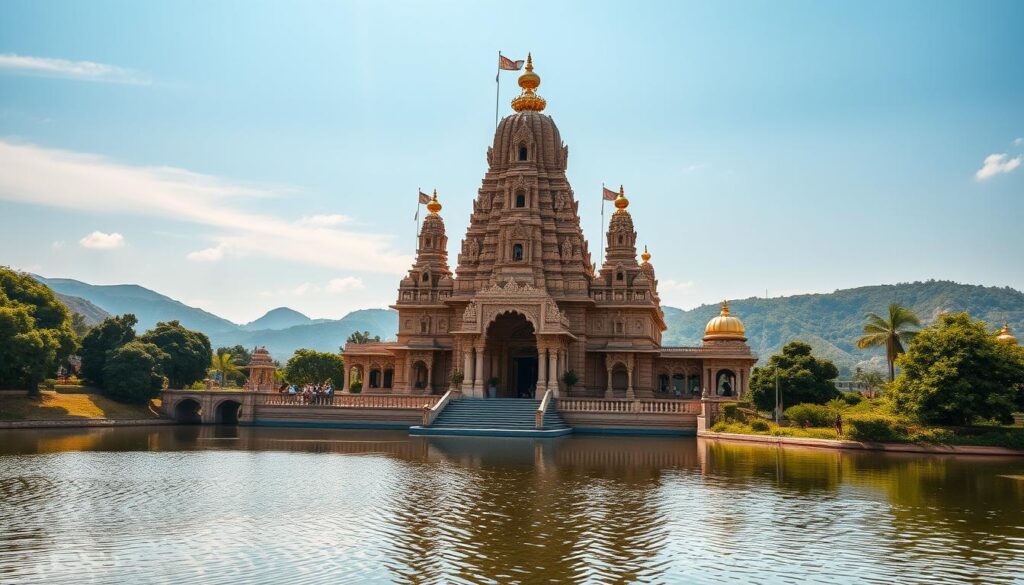
Sripuram Golden Temple, Vellore
Sripuram is a temple dedicated to Sri Lakshmi Narayani spanning about 100 acres. Built by Sri Sakthi Amma, construction began in 2001 and finished in 2007.
The complex uses real gold foil in Vedic architecture and offers a sanctum walk that many seek for prosperity prayers. Plan an early start for the day trip from the city to allow time for darshan and nearby heritage stops.
ISKCON Temple, Rajajinagar
The iskcon temple in Rajajinagar is a city destination known for cultural programs, kirtans, and lectures. Inaugurated in 1997, it blends traditional gopuram elements with modern touches.
We recommend timing visits around weekday aarti to avoid crowds. This krishna temple also offers books, talks, and seva options that connect material wellbeing with spiritual practice.
Chokkanathaswamy Temple, Domlur
Chokkanathaswamy is one of the earliest Vishnu shrines in the city. Its carved pillars and quiet ambience make it a respectful place to offer wealth-related prayers.
- Quick comparison of prosperity-focused darshan: Sripuram for gold-clad sanctum walks, ISKCON for community programs, Domlur for in-city heritage prayers.
- Practical tips: early departures for Vellore, appropriate offerings for Lakshmi and Vishnu, and donation desks that support community kitchens.
- Timing note: weekday mornings and post-aarti windows usually give the calmest places visit experience.
| Site | Highlight | Access | Best time |
|---|---|---|---|
| Sripuram | Gold foil architecture, 2001–2007 | Day trip (212 km) | Early morning |
| ISKCON | Cultural programs, seva | Rajajinagar, Mahalakshmi Metro | Weekday aarti |
| Chokkanathaswamy | Carved pillars, historic shrine | Domlur, in-city | Late morning |
For protection, courage, and victory: Lord Hanuman temples and shrines
Seeking courage or protection often leads us to Hanuman shrines that focus the mind and steady the heart. We highlight two accessible sites that work well for focused prayer and short circuits within the city area.
Ragigudda Anjaneya, Jayanagar
Ragigudda sits atop a small hill and was established in 1969. The complex includes shrines to Rama, Sita, and Lakshmana. A morning darshan here pairs prayer with wide neighborhood views.
Agara Hanuman Temple, South Bangalore
Agara features a striking 102-foot statue that draws steady footfall near Sarjapur Road. The visual impact is best appreciated from outside sanctified zones; we advise respectful dress and photo spots outside the inner sanctum.
- Hanuman worship aids courage, focus, and protection during personal or work challenges.
- Plan a hilltop morning at Ragigudda, then visit Agara for the statue and calm prasadam time.
- Expect large crowds during Hanuman Jayanti at Ragigudda; choose quieter weekday windows if possible.
- Transport: BMTC routes and app cabs make hopping between these places visit points straightforward.
| Site | Highlight | Best time |
|---|---|---|
| Ragigudda Anjaneya | Hilltop swamy temple, multiple shrines | Early morning, weekdays |
| Agara Hanuman | 102‑ft statue, visual landmark | Late morning, off-peak |
| Suggested circuit | Ragigudda → local park → Agara | Half-day in-city loop |
For removal of obstacles and fresh beginnings: invoke Ganesha’s grace
When a new chapter begins—exams, a job change, or moving house—we often start with Ganesha for a steady blessing. Dodda Ganeshana Gudi forms a classic neighborhood circuit with the Bull Temple. The area links back to Kempe Gowda’s city era and keeps strong festival traditions.
Dodda Ganeshana Gudi, Basavanagudi
We present this stop as a simple, high-impact choice for beginnings. Families can pair darshan here with a walk to the Bull Temple and make one calm places visit circuit.
- Offerings at a temple dedicated to Ganesha often include modak, flowers, and coconut; place them to the side so the main aisle stays clear.
- Early morning visits reduce queue time; follow local parking streets and BMTC stops for easy access.
- Sit quietly after darshan to chant a short mantra for focus and fresh starts.
| Site | Highlight | Best time |
|---|---|---|
| Dodda Ganeshana Gudi | Neighborhood Ganesha shrine, community rituals | Early morning |
| Bull Temple | Monolithic Nandi, walkable circuit | Morning to late morning |
| Nearby eats | Heritage breakfast spots after darshan | After darshan |
For education, career growth, and spiritual learning
If you want study focus and career direction, a few city shrines double as learning hubs and quiet study spaces. We recommend planning time around lectures and library access to build routine and clarity.
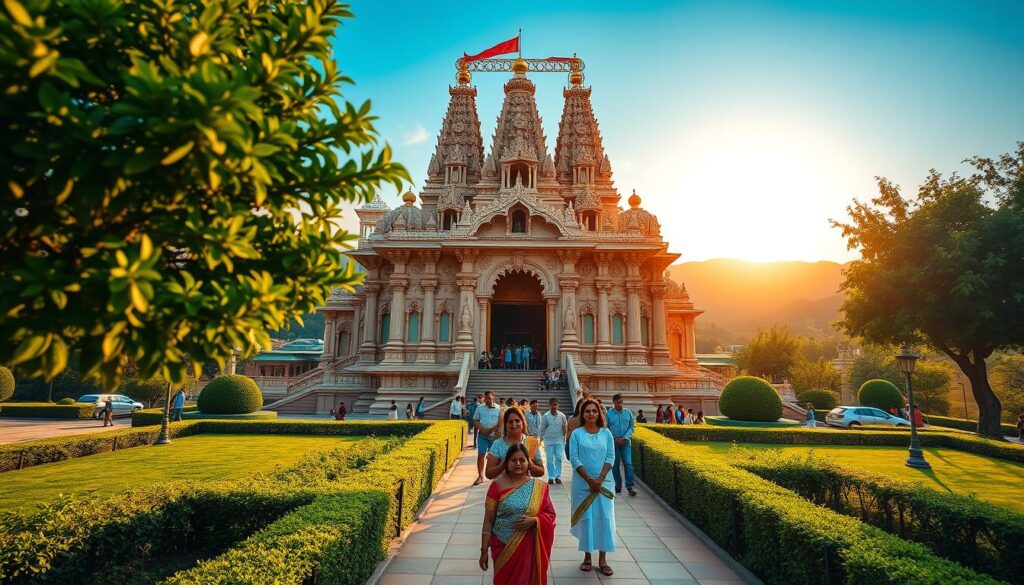
ISKCON Temple Bangalore — lectures, library, and satsang
The iskcon temple is a hub for Bhagavad Gita and Srimad Bhagavatam talks. Opened in 1997, it sits near Mahalakshmi Metro on the Green Line and offers a large library and scheduled satsangs.
We suggest an afternoon lecture, quiet reading time, and staying for evening aarti to anchor a study rhythm.
Dharmaraya Swamy Temple — discipline through living tradition
The swamy temple anchors the Karaga festival and preserves practices maintained by local communities. Observing its rituals shows how service, discipline, and leadership grow from shared heritage.
- Plan: lecture + library at ISKCON, then a heritage walk around Dharmaraya Swamy on non-festival days.
- Seva and volunteering convert study stress into service-driven focus and steady routines.
- Practical tools: chanting, time-blocking around temple rhythms, and limiting digital distractions.
- Visitor norms: use footwear areas, follow seating etiquette, and ask volunteers politely about study resources.
| Site | Highlight | Best time |
|---|---|---|
| ISKCON | Lectures, library, satsang | Afternoon lecture → evening aarti |
| Dharmaraya Swamy | Karaga tradition, community service | Non-festival mornings |
| Suggested circuit | Study hall → heritage walk | Half-day in the city |
For marriage, harmony at home, and family wellbeing
When family balance is the goal, we pick sites that blend ritual, history, and easy access. These shrines suit couples, elders, and children because they pair calm darshan with clear visitor flows.
Shree Banashankari Devi Temple
Shree Banashankari is a temple dedicated to Parvati’s forest guardian form with roots in the Vijayanagara period and links to Chola traditions. It sits about 1 km from Banashankari Metro Station, making it a practical places visit for families.
We recommend early morning darshan for a quiet experience. Combine the visit with a short annadana or a neighborhood walk so elders can rest between rituals.
Venkateshwara Temple, KR Road
This KR Road shrine dates to the late 17th century and blends Dravidian and Vijayanagara architectural style. Vaikuntha Ekadashi draws many devotees, so choose weekday windows if you bring infants or seniors.
Simple offerings—flowers, coconuts, and a small fruit plate—are appropriate. Follow the local queue formation: keep elders near the front of the line and use seating areas to avoid long standing spells.
- Why visit: protective blessings for marriage and home harmony through Parvati and Vaishnavite traditions.
- Timing tip: weekdays or early mornings for calm; festival days for concentrated energy but heavier crowds.
| Site | Highlight | Best time |
|---|---|---|
| Shree Banashankari | Vijayanagara & Chola links, accessible | Early morning, weekdays |
| Venkateshwara (KR Road) | Dravidian + Vijayanagara style, Vaikuntha Ekadashi | Weekday mornings; avoid festival peak |
For quick blessings and wish fulfillment
When urgency calls, a short visit to the right shrine can feel both efficient and reassuring.
We highlight a compact, well‑served stop for devotees who need focused darshan without a long journey.
Shri Nimishamba Devi Temple, RR Nagar — swift wish darshan
Shri Nimishamba Devi temple follows the Srirangapatna tradition and is famed for quick responses to sincere prayers. Devotees often report fast results after a calm sankalpa and simple mantra recitation.
Timings: 6:00 AM–1:00 PM and 4:30 PM–8:30 PM; festival hours vary. It offers parking and sits about 15 km from the city center via Mysore Road. Kengeri Railway is ~6 km away and the Purple Line Metro provides easy access for a short places visit.
Approach the deity with a concise intention, keep offerings modest, and use off‑peak windows for the swiftest darshan. Queue lines are compact, so move respectfully and allow elders to the front.
We suggest adding a brief contemplative walk in nearby green pockets after the ritual to reflect and steady the mind. Note Navaratri and Purnima draw larger crowds, so arrive earlier on those days.
| Site | Highlight | Access | Best time |
|---|---|---|---|
| Shri Nimishamba Devi | Quick wish darshan, Srirangapatna tradition | Mysore Road; parking; Purple Line Metro link | Early morning or early evening |
| Transit note | Kengeri Railway ~6 km | App cabs and BMTC available | Plan for festival surges |
| Pairing | Short green walk for reflection | Nearby pocket parks | After darshan |
For serenity, meditation, and time away from the city rush
For a quiet reset away from traffic and noise, a hilltop shrine makes a clear choice. We find that a short climb, gentle breeze, and wide views help steady the breath.
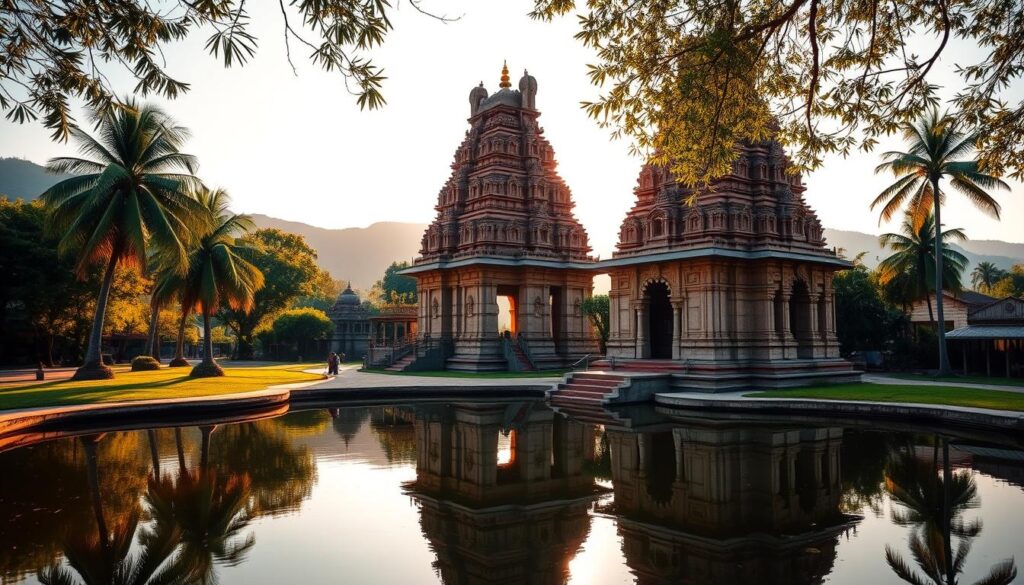
Shrungagiri Shanmukha Temple, Rajarajeshwari Nagar corridor
Shrungagiri is also known as a hilltop shrine to Lord Shanmukha (Muruga). The temple offers panoramic views along the Rajarajeshwari Nagar corridor and a calm spot for japa and reflective seating.
- Quiet-hours strategy: arrive at sunrise for cool air or near sunset for soft light and fewer crowds.
- Practice tips: use slow breathing and short mantras in open-air corridors or shaded mandapams for longer sitting.
- Photography: shoot respectfully outside inner areas and avoid disrupting those in prayer.
- Extend your visit: link this destination with nearby parks and lakes for a gentle restorative circuit.
- Offerings and etiquette: keep offerings simple, sit silently after darshan, and leave space for others to meditate.
For heritage lovers: Dravidian architectural style, rock-cut caves, and century-old carvings
For anyone fascinated by masonry and iconography, we map a short circuit that highlights classic examples of dravidian architectural style across the city.
These places let us compare monolithic sculpture, carved wall panels, and the spatial drama of a cave sanctuary in a single half‑day.
Bull Temple (Dodda Basavana Gudi), Basavanagudi
The bull temple centers on a vast monolithic Nandi built under Kempe Gowda. Its Dravidian profile and broad mandapam are prime study material for architecture students.
Gavi Gangadhareshwara Temple
Gavi Gangadhareshwara temple is a rock-cut cave with rare astronomical alignments. The cave’s light and shadow create a unique setting to read iconography linked to lord shiva.
Someshwara Temple, Halasuru
Someshwara dates from the Chola century and later grew gopurams under Kempe Gowda. Its relief carvings famously show the marriage of Shiva and Parvati.
- We suggest an early start at Bull Temple, mid-morning at Someshwara, and a quiet afternoon in the cave complex to avoid crowds.
- Compare the monolith at Bull Temple with Someshwara’s carved panels and the cave’s rock surfaces to see how technique and scale differ.
- Respect footwear rules, keep silence in inner areas, and take sketch notes of motifs tied to lord shiva for later study.
| Site | Primary feature | Best time |
|---|---|---|
| Bull Temple | Monolithic Nandi; Dravidian architecture | Early morning |
| Gavi Gangadhareshwara | Rock-cut cave; astronomical alignment | Afternoon, quiet hours |
| Someshwara | Chola-era carvings; marriage scenes | Mid-morning |
Powerful temples near Bangalore: mapped by distance and easy access today
We map shrines by distance so you can pick the best visit type for your schedule. Choose a quick city stop, a half‑day drive, or a full pilgrimage and plan without stress.
Within the city, we list ISKCON (Rajajinagar, Mahalakshmi Metro), Bull Temple and Dodda Ganeshana Gudi (Basavanagudi), Someshwara (Halasuru), Gavi Gangadhareshwara (Gavipuram), Ragigudda, Agara Hanuman, and Shivoham Shiva. These places visit pairs well with Metro or short cab rides for weekday darshan.
For short drives, consider Nageshwara (Panchalingeshwara) on the Hosur Road corridor. It suits half‑day devotion circuits with easy parking and fewer stairs.
Day trips include Sripuram Golden Temple in Vellore (about 212 km). Plan an early start, a full‑day schedule, and meal breaks en route for a smooth pilgrimage.
- Tiered plan: weekday city darshan, weekend half‑day loops, and full day trips.
- Transit: Metro/BMTC for inner city; ring roads for short drives; early departures for long trips.
- Comfort: pick flatter precincts for seniors and shaded spots for children.
| Tier | Sample sites | Transit | Typical duration |
|---|---|---|---|
| Within city | ISKCON, Bull Temple, Gavi Gangadhareshwara | Metro, BMTC, cabs | 1–3 hours |
| Short drives | Nageshwara (Hosur Rd) | Ring roads, car | 3–5 hours |
| Day trip | Sripuram Golden Temple (Vellore) | Highway; early start | Full day (10–12 hours) |
Best time to visit and peak hours to avoid crowds
Timing your visit can make the difference between a crowded rush and a calm, focused darshan. We outline morning and evening windows, festival spikes, and how weekdays compare with weekends so you can plan a smoother places visit.
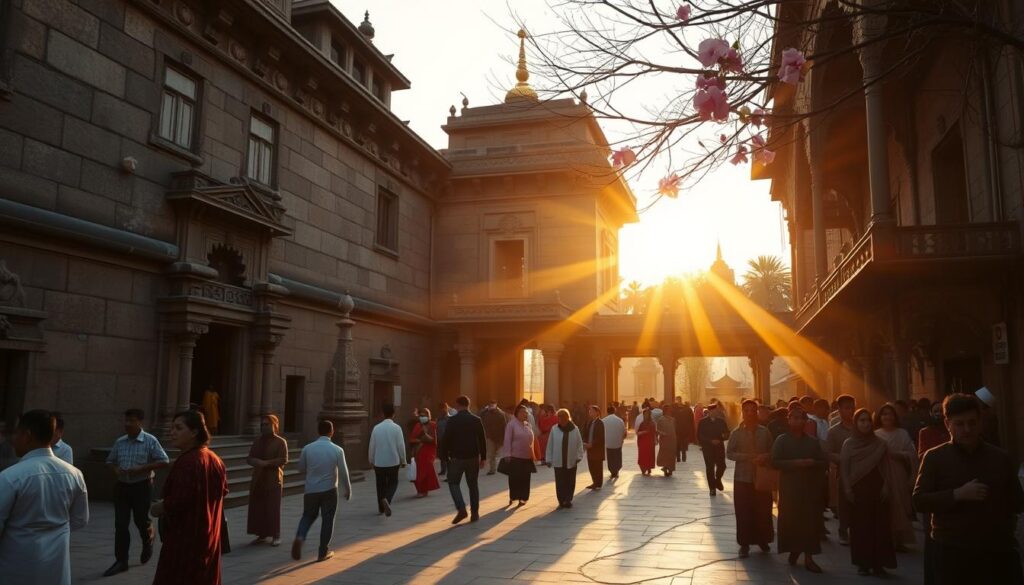
Morning and evening darshan windows
Most city temple precincts open early. For example, ISKCON runs roughly 4:15 AM–1:00 PM and 4:00 PM–9:00 PM. Shri Nimishamba at RR Nagar typically follows 6:00 AM–1:00 PM and 4:30 PM–8:30 PM, though festival timings shift.
We recommend early-morning visits or post-sunset slots for quieter queues, cooler weather, and a more reflective atmosphere.
Festival days: Janmashtami, Navaratri, Vaikuntha Ekadashi, Hanuman Jayanti
Major crowd spikes happen on specific events: Janmashtami at ISKCON, Navaratri at Banashankari and Nimishamba, Vaikuntha Ekadashi at KR Road Venkateshwara, and Hanuman Jayanti at Ragigudda. These days increase entry lines, parking pressure, and darshan pacing across the year.
We map festival calendars to anticipate longer waits and recommend extra buffer time for travel and parking.
Weekday vs. weekend visitor patterns
Weekdays usually bring calmer flows, while weekends see family groups and higher footfall. If you must go on a weekend, plan alternate routes or arrive well before main aarti times.
Read noticeboards and follow temple social feeds for last-minute pooja changes and extended darshan hours. Carry water, plan footwear storage, and find shaded waiting spots during long lines.
- Step aside promptly after darshan so devotees behind you have a clear view.
- Bring a small bottle of water and sunscreen for outdoor queues; portable shade helps in midday heat.
- Check timings the same day if you plan a long trip — festival adjustments are common.
| Site | Typical peak hours | Best time to visit |
|---|---|---|
| ISKCON (Rajajinagar) | Evening aarti, Janmashtami | Early morning or post-sunset |
| Shri Nimishamba (RR Nagar) | Navaratri, late mornings | Early morning or early evening |
| Ragigudda / Venkateshwara | Hanuman Jayanti / Vaikuntha Ekadashi | Weekday mornings with buffer time |
How we plan routes from Bangalore City for smoother temple circuits
We plan practical city routes so you spend time in prayer, not in traffic. Our aim is to link a few key shrines with easy transit and short rest stops. This keeps each places visit calm and predictable.
By Metro and BMTC: Green Line access to ISKCON and more
We start Metro-first when possible. Alight at Mahalakshmi and walk to the iskcon temple for a quick aarti. From there, short BMTC hops or app cabs connect us to heritage clusters and libraries.
By Road: Old Airport Road, Mysore Road, and Hosur Road corridors
Corridor loops make half-day drives efficient. Old Airport Road links Shivoham and museums. Mysore Road leads to Nimishamba in RR Nagar. Hosur Road serves outskirts sites like Nageshwara with easy parking.
Combining devotion with nearby places: lakes, gardens, and markets
We anchor each circuit with rest points. Ulsoor Lake, Cubbon Park, Lalbagh, Orion Mall, or the HAL Museum offer shade, refreshments, and brief walks between rituals.
- Sample Metro-first plan: Mahalakshmi → ISKCON → bus/cab to heritage area.
- Corridor loop idea: Old Airport Road for shrine + museum stops; Mysore Road for RR Nagar darshan.
- Practical tips: park near older streets, use last-mile autos, and carry water to beat midday heat.
| Mode | Sample route | Best stop |
|---|---|---|
| Metro + Bus | Mahalakshmi → ISKCON → BMTC hop | ISKCON Temple |
| Road loop | Old Airport Road → Shivoham → HAL Museum | Shivoham |
| Short drive | Mysore Road → Nimishamba → Ulsoor Lake | Nimishamba |
Themed mini-itineraries you can follow this weekend
We offer three bite-sized itineraries so your devotional time fits a single morning or a full day. Each loop pairs transit-friendly hops with calm windows for darshan and reflection.
Shiva circuit: Shivoham, Gavi Gangadhareshwara, Someshwara
Start at Old Airport Road for the 65-foot shivoham shiva statue at sunrise. Then visit Gavipuram’s rock-cut cave and end in Halasuru at someshwara temple for midday calm.
- Transit: metro or short cab hops; plan 2–3 hours.
- Offerings: Jal abhisheka items and simple flowers.
- Photo moment: early light on the statue; quiet corridors in Halasuru.
Prosperity circuit: ISKCON, Chokkanathaswamy, Sripuram (day trip)
In the city, begin at ISKCON and Domlur’s Chokkanathaswamy. For a full-day pilgrimage, drive to Sripuram (≈212 km) as the final destination.
South Bangalore heritage loop: Bull Temple, Dodda Ganeshana Gudi, Ragigudda
Pair the bull temple and Dodda Ganeshana Gudi in Basavanagudi with Ragigudda’s hilltop view at sunset.
| Circuit | Key stops | Best time |
|---|---|---|
| Shiva circuit | Shivoham → Gavi → Someshwara | Sunrise → Midday |
| Prosperity | ISKCON → Chokkanathaswamy → Sripuram | Morning → Full day |
| South loop | Bull Temple → Dodda Ganeshana → Ragigudda | Morning → Sunset |
We include meal stops, restroom notes, and quick detours for architecture lovers. If a queue spikes, swap to the nearby shrine so your places visit keeps its peace and purpose.
Respectful temple etiquette and practical tips for visitors
Small habits at a shrine keep your visit smooth and respectful for other devotees. We outline simple rules so all visitors can focus on prayer and heritage without distraction.
Dress, offerings, and timing basics we follow
Wear modest clothes—shoulders and knees covered—and carry a light shawl for inner halls. ISKCON suggests modest dress; typical opening times include 4:15 AM–1:00 PM and 4:00 PM–9:00 PM. Shri Nimishamba runs roughly 6:00 AM–1:00 PM and 4:30 PM–8:30 PM.
Photography, queues, and prasad etiquette
Many heritage sites restrict photography inside sanctums. Keep phones silent and follow signboards or priest instructions. Step aside after darshan, receive prasad with the right hand, and move to a bench to consume it.
- Carry offerings in a small tray to avoid spills.
- Give up seats to elders and use shaded corridors during peak festival time.
- Bring water, a small change pouch, and a light shawl for modesty.
| Rule | Why it matters | Quick tip |
|---|---|---|
| Modest dress | Respects sanctity and other visitors | Shoulders and knees covered |
| Arrive before aarti | Avoids long queues and confusion | Check temple timings same day |
| No inner photography | Preserves rituals and privacy | Photograph outer carvings only |
| Prasad handling | Keeps shared spaces clean | Receive with right hand; step aside |
Why these destinations stand out to devotees and visitors today
Each destination shows how sacred design and daily practice combine to speak to modern seekers. We note visible iconography—Shivoham’s 65-foot figure and the Bull Temple’s monolithic Nandi—and finer details like Halasuru’s Chola‑Vijayanagara carvings and Gavipuram’s cave alignments.
ISKCON’s blend of glass panels and a gopuram is a clear example of how architectural style adapts in a living shrine. The result is a temple complex that feels both modern and rooted.
- We link enduring architecture with ritual vitality so space, sound, and craft invite devotion.
- These sites serve as cultural classrooms—festivals, lectures, and libraries keep traditions alive for the city’s youth.
- A focus on a dedicated lord shapes offerings, music, and movement inside each complex, guiding a mindful places visit.
- Public transit and clear routes bring worship close to home, widening access for families and volunteers.
| Site | Primary feature | Why it matters |
|---|---|---|
| Shivoham | 65‑ft icon, Mount Kailash backdrop | Scale that draws focused devotion |
| Bull Temple | Monolithic Nandi | Hands‑on study of stone craft and ritual |
| Gavipuram | Rock cave alignment | Unique light and seasonal rites |
| ISKCON | Glass + gopuram mix | Modern architectural style meets tradition |
Conclusion
Our final note helps you pick a calm places visit, whether a short city stop or a full pilgrimage day. Use the mini-itineraries and timing tips to shape one clear destination and a realistic time window for darshan.
We highlight inner-city options like ISKCON, Someshwara, Bull Temple, and Dodda Ganeshana Gudi, and day-trip sites such as Sripuram. Shivoham’s 65-foot statue and Gavi Gangadhareshwara’s cave show the range of temples karnataka offers.
Plan for family needs, festival calendars, and comfort. Respect each deity’s tradition, local volunteers, and neighborhood rhythms so visits stay calm and meaningful for visitors and devotees.
Bookmark this guide and return as you explore more temple bangalore circuits and temples karnataka to build routes that feel like home.