Bangalore to Sabarimala: Complete Pilgrimage Travel Guide
Have we ever wondered what makes a pilgrimage truly memorable and manageable on the road?
We begin this guide with clear steps so the journey feels planned and calm. This pilgrimage blends devotion and logistics, and we walk through route choices, permits, and timing to keep stress low.
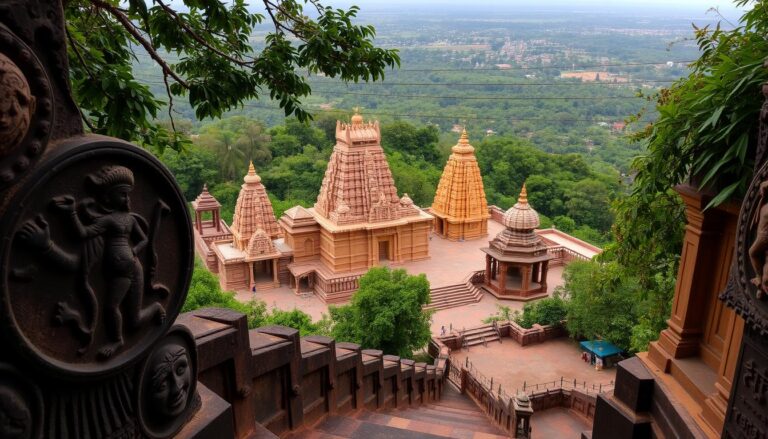
Sabarimala is a revered destination in Kerala’s Western Ghats, dedicated to Lord Ayyappa. The terrain and the temple access shape how we pack and schedule the final 4–5 km walk from Pamba to Sannidhanam.
We preview ways to reach the shrine — road, bus, train, and flight — so we can pick the best travel option for our time and budget. Note peak season crowds and safety tips for forest roads and monsoon periods.
This short guide is step-by-step. It lets us compare choices, set expectations about facilities and durations, and finalize our trip without missing essentials.
How we plan the Bangalore to Sabarimala yatra: a step-by-step overview
This overview helps us decide the best travel options and services for a stress-free trip. We focus on quick decisions that match budget, comfort, and group size.
Peak season brings extra services: KSRTC runs special buses, Indian Railways adds trains, and airlines add flights into Kochi. Surface travel usually takes 12–14 hours by bus or 12–13 hours by car. A flight plus road transfer shortens door-to-door time to about 6–8 hours depending on connections.
- Define intent: pick route and transport based on budget and group needs.
- Plan steps: choose route, book transport and services, reserve Virtual Q, and schedule the Pamba arrival.
- Prepare: documents, payments, and backup plans for delays or weather.
| Mode | Typical time | Comfort | Best for |
|---|---|---|---|
| Bus (KSRTC/private) | 12–14 hrs | Moderate | Budget pilgrims, solo travelers |
| Car/Taxi | 12–13 hrs | High | Families, flexible schedules |
| Flight + Road | 6–8 hrs | High | Those short on time, comfort-focused |
Next we compare routes, best travel time, and last-mile trekking tips so pilgrims can finalize a practical yatra plan.
Route, distance, and best time to travel from Bangalore to Sabarimala
Understanding the bangalore sabarimala route helps us pick the safest, fastest option and set realistic time and rest stops. We focus on road quality, key towns, and how season and traffic change driving time.
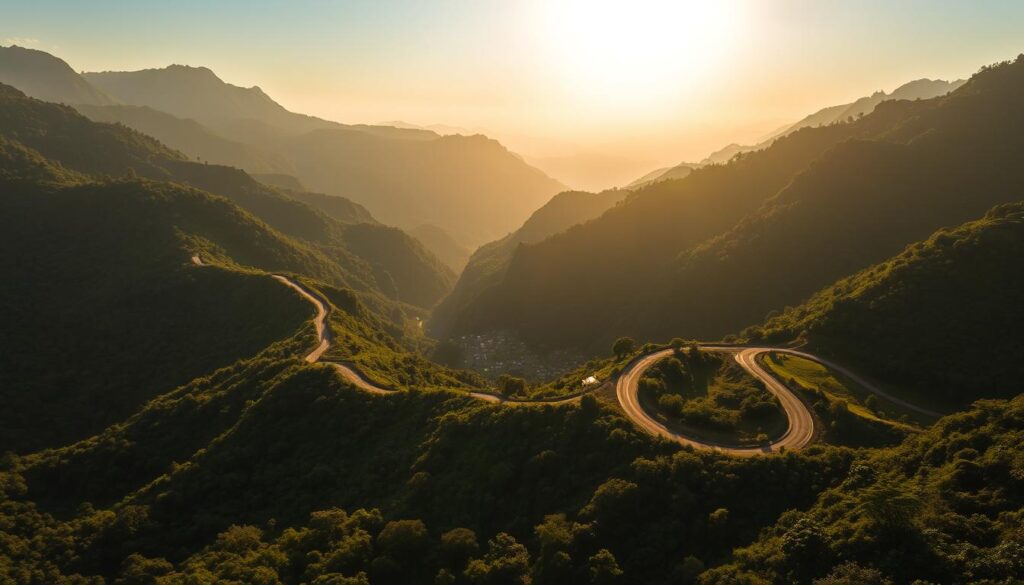
Primary road: NH-44 and NH-183 via Salem and Kumily
The main corridor runs about 613 km and usually takes 12–13 hours in normal conditions. Highway quality, fuel stops, and services at Salem, Dindigul, and Kumily make this our default choice.
Start early to avoid city exits and midday traffic spikes. Plan breaks and aim to reach Pamba in daylight when possible.
Alternate road: Mysore–Gundlupet–Gudalur
This scenic option can vary between 600–650 km. Expect slower speeds on forested stretches and wildlife gates like Bandipur that can add delay. The views are rewarding, but time on this route is less predictable.
When to go: seasons and cautions
Peak Mandala–Makaravilakku (Nov–Jan) brings heavy crowds and longer waits. Monsoon (Jun–Sep) can worsen road grip and raise landslide risk. Check live traffic and road advisories before departure.
| Route | Approx. distance | Typical hours | Best for |
|---|---|---|---|
| NH-44 / NH-183 (via Salem, Kumily) | 613 km | 12–13 hrs | Fastest, services en route |
| Mysore–Gundlupet–Gudalur | 600–650 km | 13–15 hrs | Scenic, wildlife viewing |
| Flight + road (via Kochi) | Varies (shorter door-to-door) | 6–8 hrs | Time-sensitive travellers |
How to reach by road: car, taxi, and tempo traveler options
A well-planned road leg can turn a long pilgrimage into a comfortable, predictable trip. We focus on vehicle choice, timing, and simple checks that cut delays and stress.
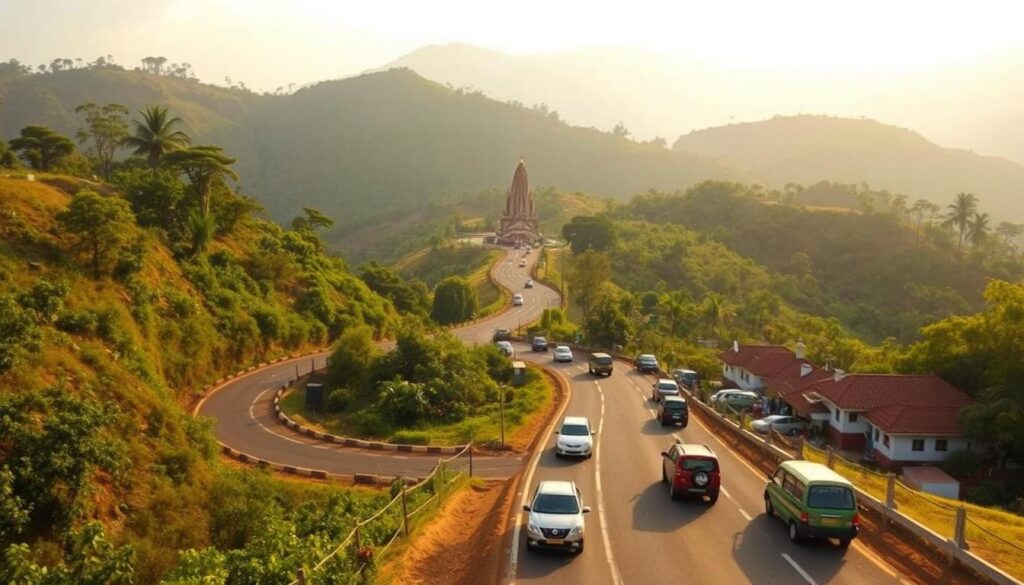
Self-drive and rentals: licenses, tolls, and night-driving advisories
By car via NH-44 and NH-183 the run is about 613 km and takes roughly 12–13 hours under normal conditions. For self-drive rentals we carry a valid driving license, vehicle papers, and an e-payment method for tolls.
Avoid night driving through forest corridors. Wildlife activity and low visibility raise risk. Start before dawn to clear city exits and spread breaks evenly.
Tempo traveler and minibus for groups
For groups a tempo traveler or minibus keeps luggage together and lowers per-person cost. Confirm luggage stowage, seat comfort, and scheduled pit stops when booking.
Pick operators who run pilgrimage services with experienced drivers and flexible breaks. A chauffeur-driven taxi is better when we prefer rest and easier parking at Pamba.
- Key pit stops: Salem, Dindigul, Kumily — food, washrooms, fuel.
- Fuel strategy: top up in larger towns; map EV chargers at major stops.
- Pre-trip check: tires, brakes, coolant, spare kit, and jack.
| Option | Typical hours | Best use | Notes |
|---|---|---|---|
| Self-drive car | 12–13 hrs | Flexible stops, privacy | Carry license, papers, toll payments |
| Chauffeur taxi | 12–13 hrs | Fatigue-free travel | Good for families, parking at Pamba |
| Tempo traveler / minibus | 12–14 hrs | Groups (8–20 people) | Confirm luggage space and rest schedule |
How to reach by bus, train, and flight
A clear comparison of buses, trains, and flights helps us match budget and comfort. Below we outline travel options and practical tips so we arrive at Pamba ready for the final walk.
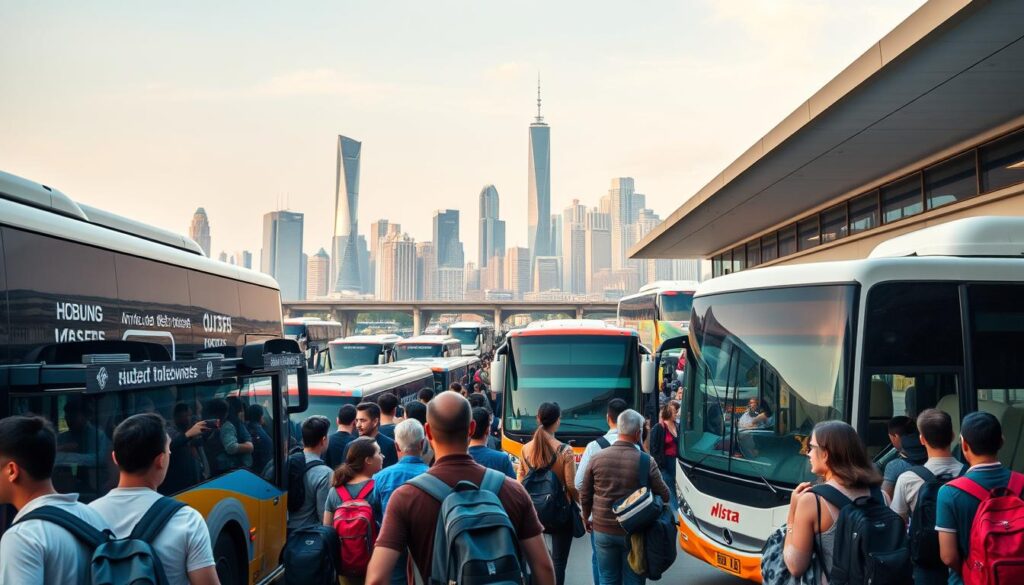
Bus services and booking tips
Government and private bus services run regular overnight and daytime routes. KSRTC adds special runs in peak season. Expect about 12–14 hours on the road to hubs like Thekkady, with fares commonly INR 1,100–2,200.
Book early during the season and confirm the final drop point. Many buses stop at a transit point where we change to a local vehicle for Pamba.
Nearest train stations and last-mile
The closest major stations are Chengannur (~85 km) and Kottayam (~90 km). Indian Railways sometimes runs seasonal specials.
From either station, onward travel to Pamba is by bus or taxi and can take 2–3 hours. Reserve train tickets on IRCTC well in advance.
Flight path via Cochin (COK)
Daily flights land at Cochin airport. Road transfer from COK to Pamba takes about four hours by taxi and longer by bus. This option cuts door-to-door time for those short on time, though costs rise.
- Compare total time and fares: bus 12–14 hours (INR 1,100–3,100), train 14+ hours with transfers (INR 500–2,500), flight + taxi 6–8 hours (INR 7,000–20,000).
- Align arrival with Virtual Q slots and allow buffer for delays.
- Pack light and use soft-sided luggage for easier swaps at the final point near Pamba.
| Mode | Typical hours | Cost range (INR) | Best for |
|---|---|---|---|
| Bus | 12–14 hours | 1,100–3,100 | Budget travellers, direct corridor services |
| Train + local transfer | 14+ hours | 500–2,500 | Comfortable seated travel, advance bookers |
| Flight + taxi | 6–8 hours | 7,000–20,000 | Fastest door-to-door, time-sensitive plans |
bangalore to sabarimala trekking approach: Pamba to Sannidhanam
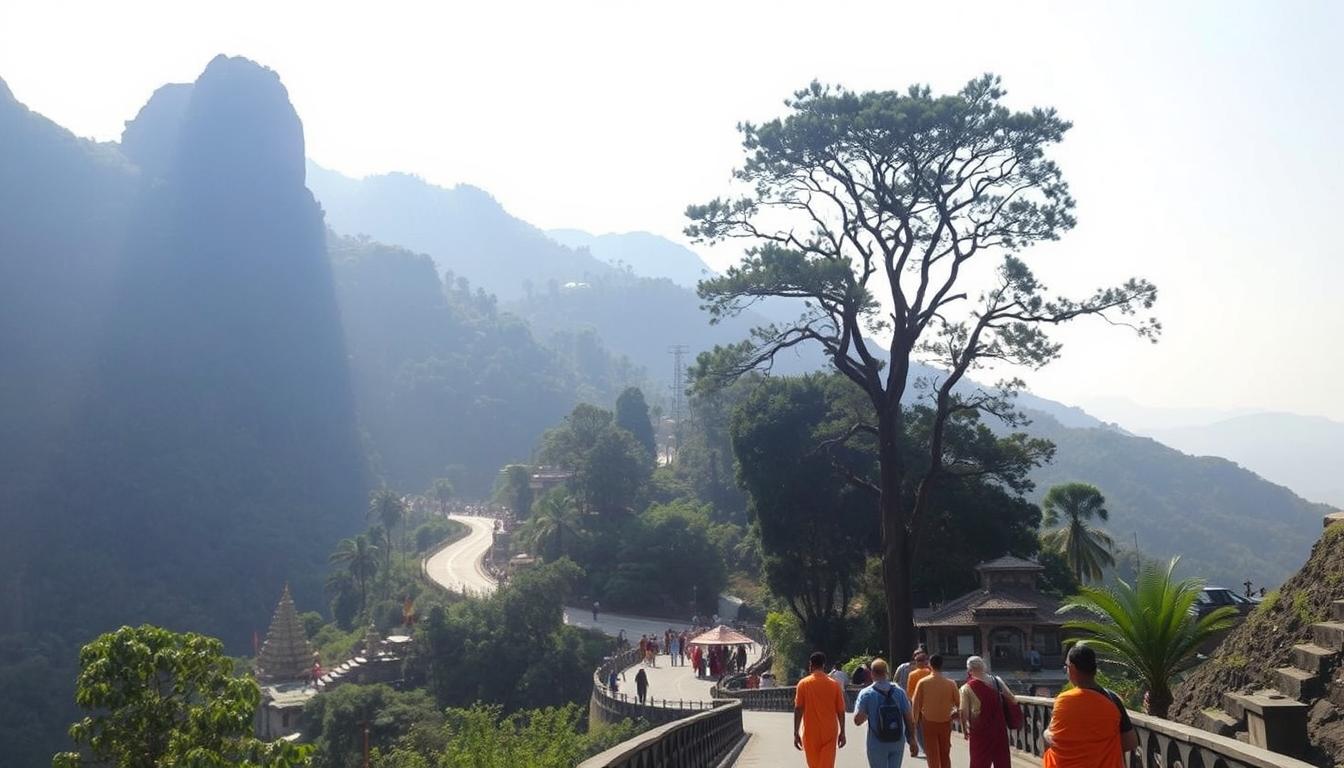
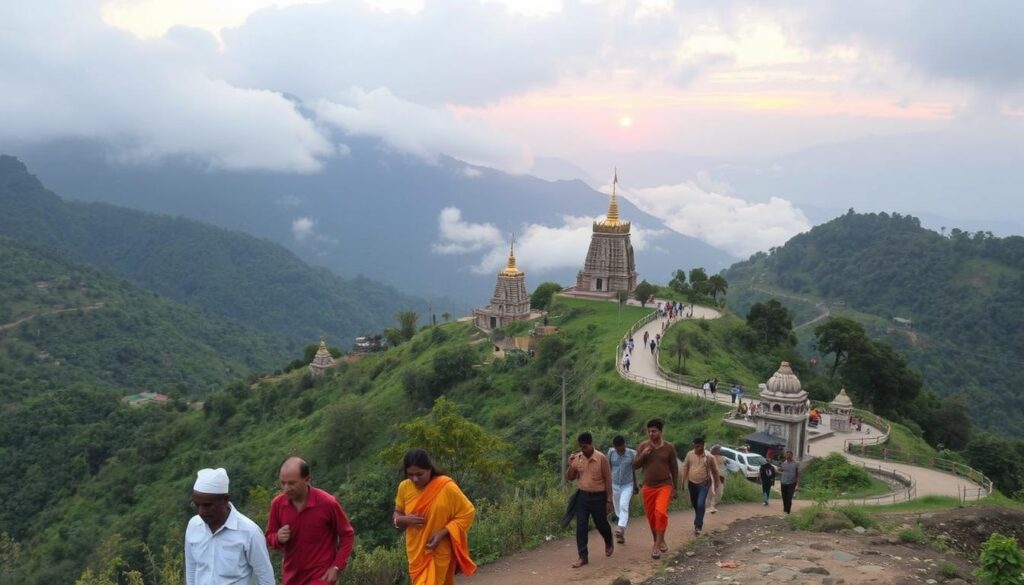
The final walk from Pamba is the moment our planning turns physical, and a calm pace makes all the difference. The climb is steady and the trail narrows in places, so we keep gear light and our steps measured.
Trek distance and time
The uphill trek from the river point is about 4–5 km. Most groups take 1.5–3 hours depending on pace and breaks.
Hydration, steady cadence, and short rests at shaded places help manage the elevation gain. Start in daylight and avoid night walking for safety and comfort.
What we wear and carry
Traditional devotees often wear plain black or blue clothing. Footwear is not allowed inside the temple precincts, so use easy-on shoes for the climb and remove them before entry.
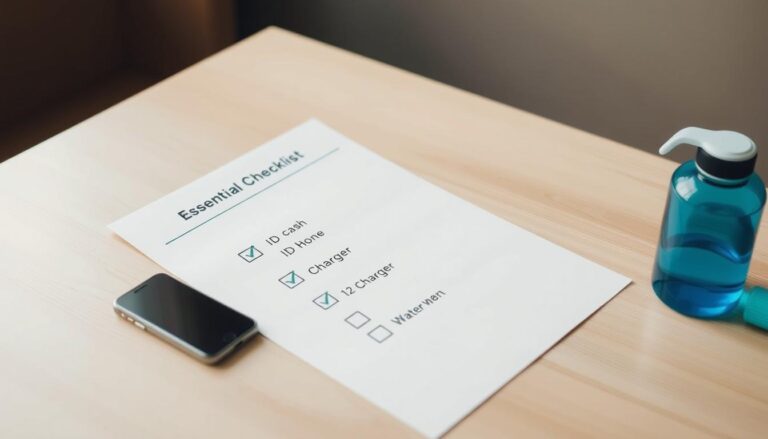
- Essentials: water, light snacks, rain layer, small first-aid kit, and minimal luggage for hands-free walking.
- Plan the trip timing so the trek matches our Virtual Q slot and darshan hours to reduce waiting at the top.
- Elderly and families: take shorter steps, slower pace, and agree on clear regroup points along the way.
- Etiquette: yield space on narrow sections, keep the path clean, and help others on the trail side when needed.
Permits, darshan planning, and seasonal crowd management
Smart planning around darshan slots and seasonal crowds protects our travel plans. Registering early and aligning our arrival with a confirmed window prevents long waits and last-minute rushes.
Virtual Q booking: why and how we reserve slots
We use the official Virtual Q system to secure a defined darshan window. This reduces unpredictable queue hours during high-demand periods.
Steps: create an account, pick dates, and choose a slot that matches our transport arrival. Keep screenshots and reference numbers handy on the day.
Pilgrimage traditions, timing, and peak season tips
Many devotees observe a 41-day vratham before the yatra. This shapes ceremony timing and our arrival schedule at the temple.
The Mandala-Makaravilakku season (Nov–Jan) draws the largest crowds, with Makara Jyothi near Makara Sankranti as a peak moment. Expect long queues then; off-season wait times fall sharply.
- Book accommodation and transport well in advance during peak days.
- Build buffer hours into our itinerary to protect Virtual Q slots.
- On site: arrive early, follow queue directions, and keep baggage minimal.
| Item | Peak season | Off season |
|---|---|---|
| Wait hours | Can extend for many hours | Usually shorter, more predictable |
| Room availability | Limited; book on official portals | More options nearer the date |
| Travel flexibility | Low—routes fill up quickly | High—easier last-minute changes |
We stay updated via official channels for any darshan timing changes or advisories. With Virtual Q, vratham respect, and buffer planning, the pilgrimage becomes smoother for all pilgrims.
Places to pause: en route highlights and nearby attractions
Short detours enrich our pilgrimage with ritual, history, and simple comforts. We can plan quick stops without risking darshan timings.
Erumeli and Vavar Shrine
Erumeli is a traditional stop where the Vavar Shrine and Sastha Temple show communal harmony. Pilgrims join Pettathullal ceremonies here on festival days.
Drop-offs near the shrine are common; park a car at marked lots or ask the bus driver for the official stop.
Pampa River holy dip
The river is the customary spot for a purifying dip before the climb. Facilities include changing rooms and kiosks, but lines form quickly.
Keep belongings light and use official bathing areas. Follow staff directions so our Virtual Q slot stays safe.
Pandalam Palace and wildlife detours
Pandalam Palace links to Ayyappa’s legend and makes a calm heritage pause. Visit during non-peak hours to avoid crowds.
For nature lovers, Bandipur and Periyar offer wildlife views on certain routes. Check seasonal rules and avoid night forest drives.
Simple eats near the temple
Annadanam halls, Hotel Saravana Bhavan near the packing ground, and Annalakshmi serve steady vegetarian meals. Use these places for quick, reliable food before the trek.
| Spot | Why visit | Practical tip |
|---|---|---|
| Erumeli (Vavar Shrine) | Ritual, Pettathullal | Park at shrine lots; short walk |
| Pampa River | Holy dip | Use official baths; change early |
| Pandalam Palace | Heritage stop | Visit off-peak; allow 30–45 mins |
| Bandipur / Periyar | Wildlife detour | Check permits; avoid night driving |
These places fit easily into our route when we plan drop points for bus or car. Respect local customs, keep the sabarimala road clean, and support the services that help pilgrims on the trip.
Conclusion
Here we summarize the key steps that help manage distance, hours on the road, and the final trek.
Pick a clear route early: NH-44/NH-183 is the fastest surface way (about 613 km, 12–13 hours). The Mysore side adds scenery but may take longer on forest stretches.
Mix transport modes to suit budget and rest. Buses, trains, flights plus a taxi or car create flexible options. Confirm bookings and plan buffer hours for traffic and weather.
At Pamba we switch from transport to the 4–5 km trek to Sannidhanam. Reserve a Virtual Q slot, travel light, and respect local customs for Lord Ayyappa.
Finalize distance expectations, verify tickets, start early, and pause at recommended places so our pilgrimage stays safe and calm.