Family Road Trip Packing Checklist for Bangalore Travelers
What if a simple checklist could save hours and make our next long drive calm and safe?
We set the stage by choosing the destination, estimating distance, and aligning expectations. From that base, we build a focused checklist that keeps us packed with only the essentials.
Our experience on multi-thousand-kilometer journeys out of Bangalore taught us what things truly matter. We keep a car kit with chargers, a first-aid pack, puncture tools, and a 20-liter water can. At home, modular kits for toiletries and medicines make pre-departure checks quick.
We split items into in-cabin and boot storage so mid-drive rummaging stops. We also assign roles for documents, tech, snacks, and child comfort to save time at the last minute.
In this article we will cover planning, legal papers, car safety, age-wise essentials, food and health, and end with a compact checklist you can run through before you roll.
Plan the Bangalore departure like a pro for smoother long drives
A little planning before we pull out of town makes the first few hours effortless. We pick a sensible route, set an early start time, and run a short pre-drive checklist so the car behaves and the day begins calm.
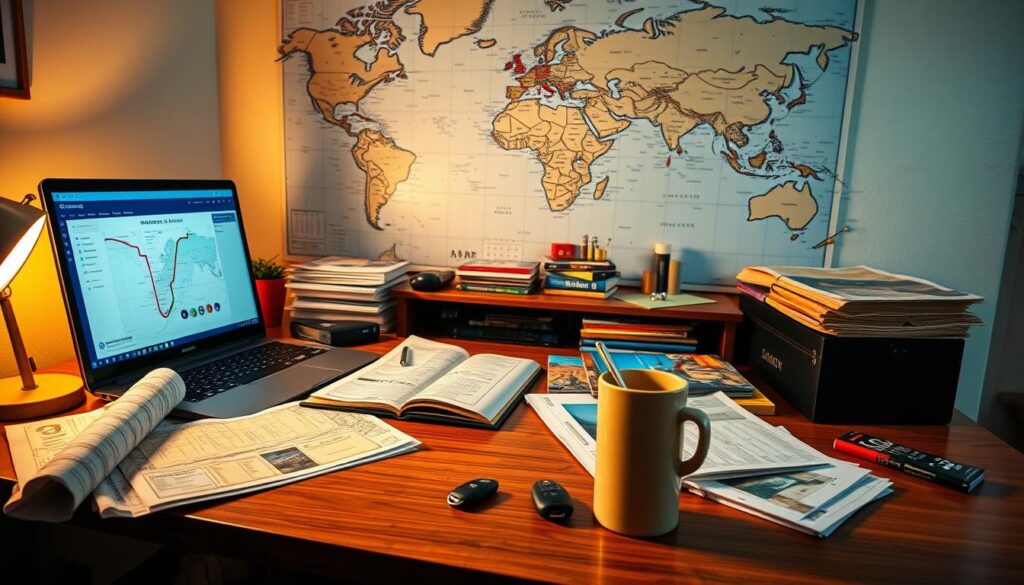
Choose routes and start times to beat city traffic and tolls
We choose routes that balance predictable tolls, highway amenities, and current construction alerts. Early morning departures—often between 3–6 AM—help us clear the city before peak inflow clogs the outer corridors.
Pre-drive checks: fuel, tire pressure, FASTag, and downloaded maps
- Refuel fully the day before and check tire pressure (nitrogen when available).
- Verify license, RC, insurance, and PUC papers and keep them in the dash for quick access.
- Confirm FASTag balance to save stoppage time at tolls.
- Download offline maps for planned stretches and keep a printed map as backup.
- Run a quick car checklist: lights, wipers, horn, spare tyre, jack, puncture kit, and washer fluid.
- Stage a phone holder and pair Bluetooth before departure; agree convoy rules and regroup points if we travel with others.
- Mark emergency lay-bys and 24×7 fuel pumps on the route map as contingency anchors.
Documents, car essentials, and safety checklist for Indian road trips
Before we start, a focused checklist keeps legal papers and safety tools within arm’s reach.
We always carry our driving license, RC, valid insurance, and PUC in a single envelope kept in the dash. Keeping these documents accessible speeds up checkpoint stops and handles minor emergencies with less fuss.
Our car toolkit includes a spare tyre, jack, lug wrench, and a puncture repair kit. We also pack a basic tool kit and reflective triangles to improve visibility during night stops.
Safety also means health. We refresh the first aid kit before every trip and create a small medicine bag with paracetamol, antacid, allergy meds, and any prescriptions. Check expiry dates and reseal items after use.
- Mount a phone holder, connect a multi-port car charger, and test GPS with offline maps.
- Add a tow rope; consider a jump starter pack or cables for added self-reliance.
- Keep sanitizer, wet wipes, and masks in the dash for quick hygiene at fuel stops.
Finish with a brief safety drill so everyone knows where key items are. This simple routine turns a good checklist into reliable preparation for any road trip.
family road trip packing bangalore: the core family essentials list
Smartly chosen essentials let us leave the house confident and light. This short list groups what we wear, what we carry for hygiene and health, and the gadgets that keep the drive smooth.
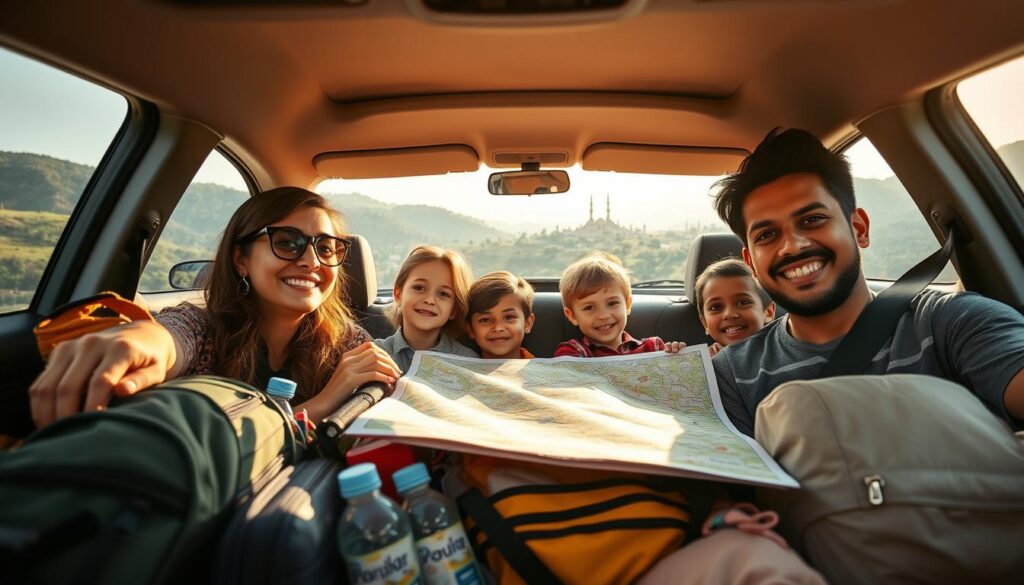
Clothes and layers formula for dad, mom, and kids
We follow a simple clothes formula: dad packs days +1, mom packs days +2, and kids pack days +3. Add one nightwear set per three days and a light layer each to handle cool cabins and hill weather.
Toiletries, makeup pouch, and a compact travel medicine kit
We use preassembled mini pouches for toiletries and makeup to speed up packing. A hard, leak-proof medicine kit holds basics and prescriptions; we check expiry dates before every departure.
Gadgets and accessories: cameras, power bank, dashboard cam, cables
We keep camera gear, spare batteries, a power bank, dash cam, memory cards, and all charging cables together in a tech pouch. Phone charger cables that must stay in the car go in the center console so they are always handy.
- Soft bags or packing cubes for quick repacks.
- Reusable bottles and a 20L water can for local drives.
- Small laundry bag and snack box to separate used clothes and portion food.
Age-wise packing tips: infants, toddlers, and preschoolers
For infants to preschoolers, we focus on grab-and-go essentials that keep naps, feeds, and playtimes steady. We tailor our list around quick access, safety, and small comforts that reduce fuss during a long trip.

Infants
We pack diapers, wipes, rash cream, bibs, mittens, and warm layers. A reliable flask for hot water, formula supplies, and a tiny food kit with spoons help with feeds on the move.
Secure an infant car seat and carry a stroller or baby carrier for safe stops. Some parents add a compact baby food maker when solids start.
Toddlers
Toddlers need a potty seat, waterproof sheets, a sipper, and simple snacks like biscuits and fruits. Keep soft toys or small building blocks for in-car entertainment to calm short bursts of restlessness.
Preschoolers
Let preschoolers manage a small backpack with a coloring book, crayons, favorite snacks, and a light blanket. These items build independence and make long road stretches easier for everyone.
- Place all kid-specific items in one access bag so the co-passenger can reach them fast.
- Carry small day bags per child to give options and reduce cabin clutter.
- Keep a mini hygiene kit up front to handle spills and quick cleanups during the road trip.
Make space work for you: luggage choices and packing road strategies
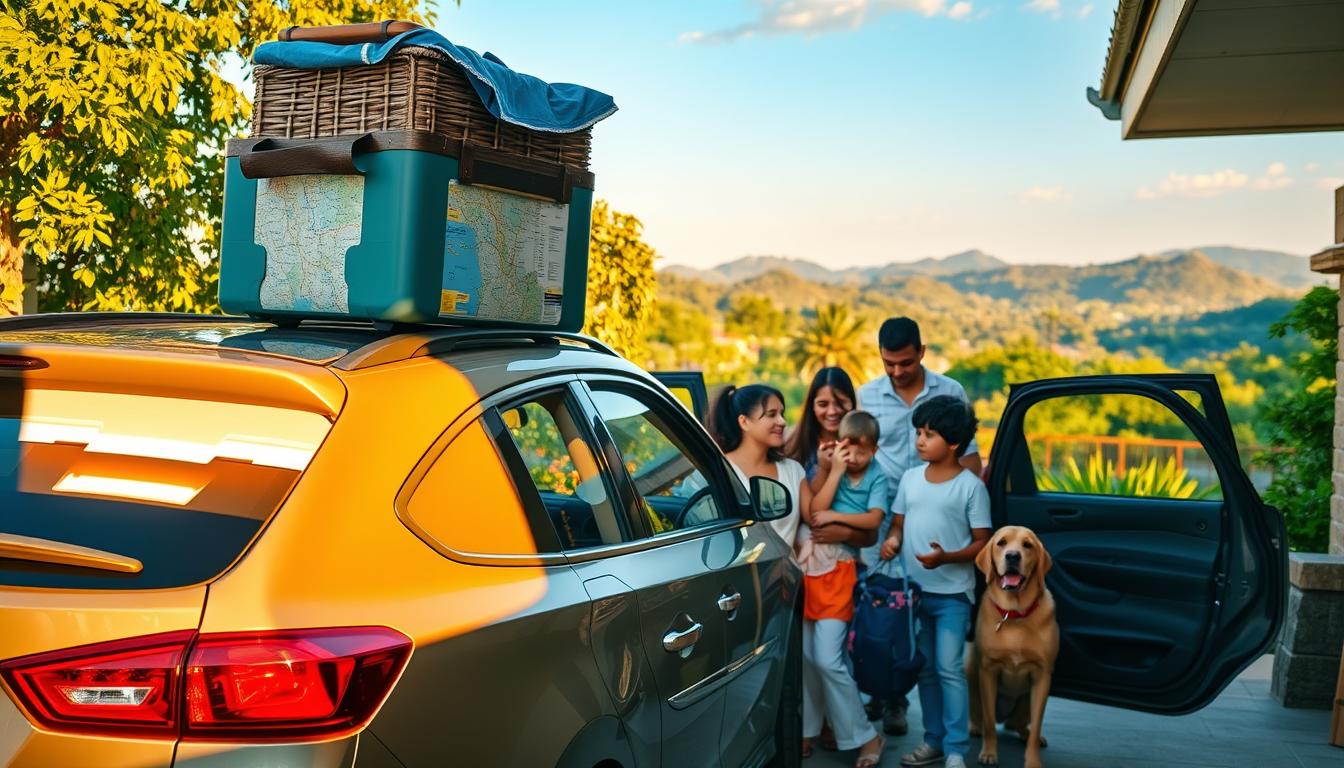
Good luggage choices turn a cluttered boot into a calm, usable space before we even start the engine. We size our load to the car and limit large pieces so access stays simple.

Duffel versus hardcase, totes, and carry small daypacks
For a 5-seater, we stick to two larger hardcase suitcases in the boot. Hardcases protect delicate items and stack neatly. Duffels fit odd gaps when the boot shape is awkward.
Each person also gets a tote or a small backpack to carry small in-cabin essentials: chargers, meds, and documents. One extra daypack stays free for picnic stops and short walks.
Organizing hacks: newspapers, laundry bags, and category-wise packing
- Use packing cubes by person and by day so opening one bag won’t spill everything.
- Slide newspapers or paper towels between muddy shoes and clean clothes; keep a laundry bag to quarantine worn items.
- Place heavier items low and forward for better balance; keep frequently used things on top.
- Keep a small trunk kit with reflective triangles, wheel chocks, gloves, and a spare car key in a separate bag.
- Tape a short list inside the boot lid showing where each category sits to save time at night.
After each run, we update the list and remove items that went untouched. This simple method improves space use and cuts the fuss on every road trip.
Food, water, and health essentials for long trips
Smart food choices, layered water storage, and a handy medical kit keep us ready for most hiccups. This short plan helps us pack sensible food, chilled drinks, and quick health supplies for the entire trip.
Water bottles, portable cooler, and refill strategy
We use reusable water bottles in the cabin and a larger source or small cooler in the boot. At stops we rotate bottles through the cooler so one chilled bottle is always ready.
We mark reliable refill points along the route to avoid excess buying. A spare bottle stays sealed for emergencies.
Snacks and simple meal plan
Keep snacks simple: fresh fruit, bread, chapatis with ghee, and a nut-mix. Use a small snack box to portion food for kids and avoid waste.
Add paper bags and garbage sacks to door pockets so wrappers stay tidy and the car stays clean.
First aid kit, sanitizers, and skin care
Refresh the first aid kit before departure. Keep a compact medicine pouch in the front console for quick access in an emergency.
- Hand sanitizer in a cup holder and surface spray for public seats.
- Sunscreen SPF 40–50, lip balm, and a small lotion for sun protection.
- Wet wipes and paper towels on top of the glovebox for fast cleanups.
Stick a short packing list card in the food box—fruit, bread, chapatis, nut-mix, garbage bags—to speed restocks and finish the checklist before we roll.
Conclusion
One last checklist card turns pre-departure chaos into a few calm minutes. We use a simple packing list that hangs by the door so the final sweep is quick and sure.
Confirm documents, insurance, PUC, fuel, and tire pressure the night before. Check FASTag balance, stage in-cabin kits for kids and health, and keep reusable bottles and simple snacks within reach to cut stops.
Limit big luggage to two pieces for a five-seater and use small totes so space stays usable. Download maps, mount the phone securely, preload playlists, and pack essentials like a tow rope, reflective triangles, first-aid and chargers.
Keep this checklist handy, update it after each experience, and reuse the packing list for your next road trip to make long drives smoother every time.