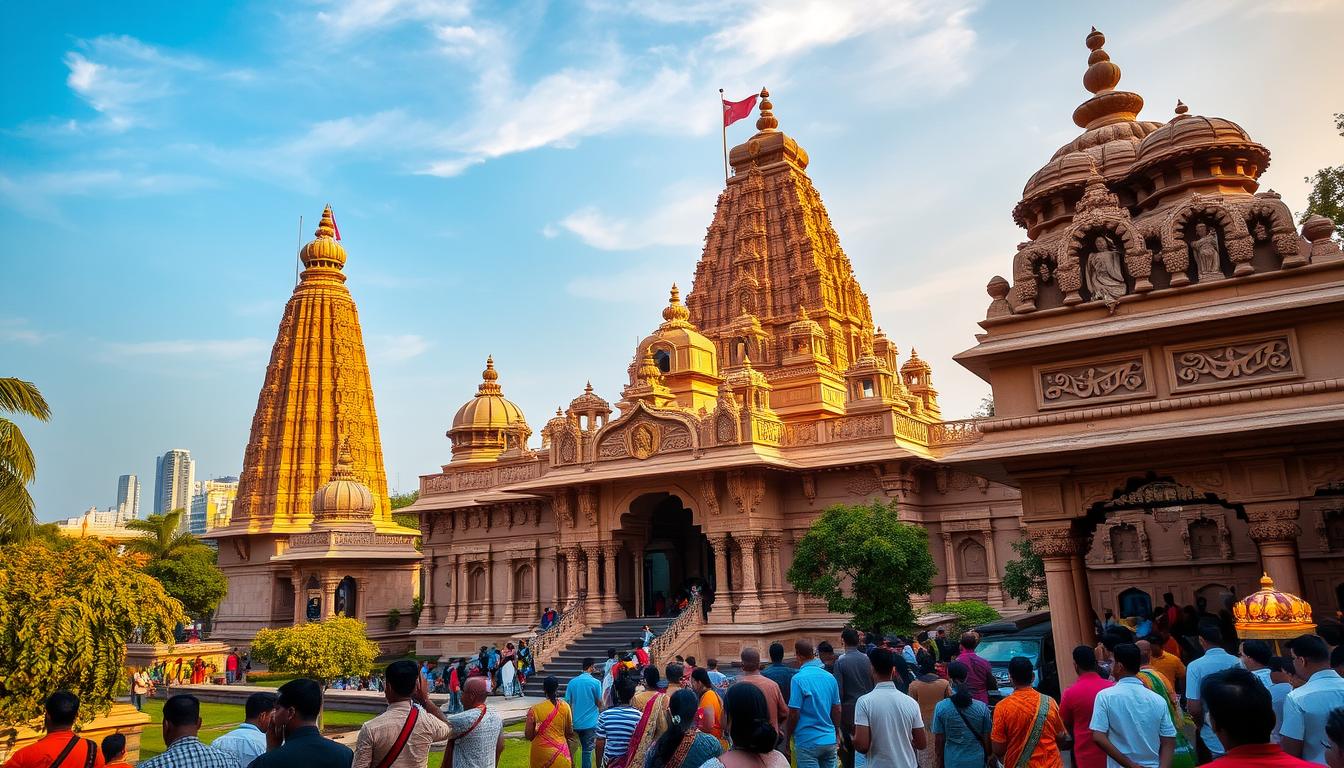
Best Time to Visit Famous Temples from Bangalore (Month-Wise Calendar)
How can we plan a year of calm, meaningful darshans without getting lost in crowds or schedules?
We offer a compact month-wise calendar that aligns weather, festival peaks, and darshan windows so each temple run feels peaceful and rich in culture. Our focus is the city’s famous temples, from cave shrines like Gavi Gangadhareshwara to modern complexes such as ISKCON.
In this post we highlight practical details: morning and evening timings, crowd patterns around major festivals, and special phenomena like the sun striking the Shiva Linga at Gavi Gangadhareshwara during Makar Sankranti.
We also map short loops—Basavanagudi’s Bull Temple and Dodda Ganesha, Domlur-Indiranagar, Rajajinagar-Malleshwaram—so families and first-timers can cover key places efficiently across the year.
How we planned this month-wise calendar for temples Bangalore
Our calendar grew from careful checks of daily darshan schedules, festival windows, and seasonal comfort so visits are calm and focused.
Our approach: weather, festivals, and temple-specific timings
We sequenced months around cool mornings, pre-monsoon evenings, and lighter monsoon crowds to recommend the best hours to reach each sanctum.
We paired months with architecture and style so carvings and gopurams are seen in good light. This helps those who want cultural detail as well as devotion.
Verified with sources: ISKCON, Bull Temple, Someshwara, Jagannath, Gavi and more
- We cross-checked daily hours and festival dates from each temple’s public listings for accurate planning.
- We prioritized on-site features — ISKCON’s organized darshan flows and Gavi’s Makar Sankranti sunlight event — so recommendations work on the ground.
- We grouped temples by area to make a compact list that lets you combine multiple darshans in one outing.
| Temple | Typical Hours | Festival/Highlight | Style / Feature |
|---|---|---|---|
| ISKCON, Rajajinagar | Morning & evening darshans; weekend extended | Major aartis, crowds managed | Modern Vaishnava complex |
| Bull Temple | 6:00 AM–8:00 PM | Kadalekai Parishe (year-end) | Dravidian Nandi statue, granite work |
| Someshwara, Halasuru | 6:00 AM–12:30 PM; 5:30 PM–9:00 PM | Local Shivaratri observances | Chola origin, Vijayanagara renovations |
| Gavi Gangadhareshwara | 6:00 AM–11:00 AM; 5:30 PM–8:30 PM | Makar Sankranti sunlight phenomenon | Cave temple, rock-cut alignment |
January: Makar Sankranti at Gavi Gangadhareshwara and serene morning darshans
January opens with a rare light event at a rock-cut shrine and calm morning rituals that reward early planning.
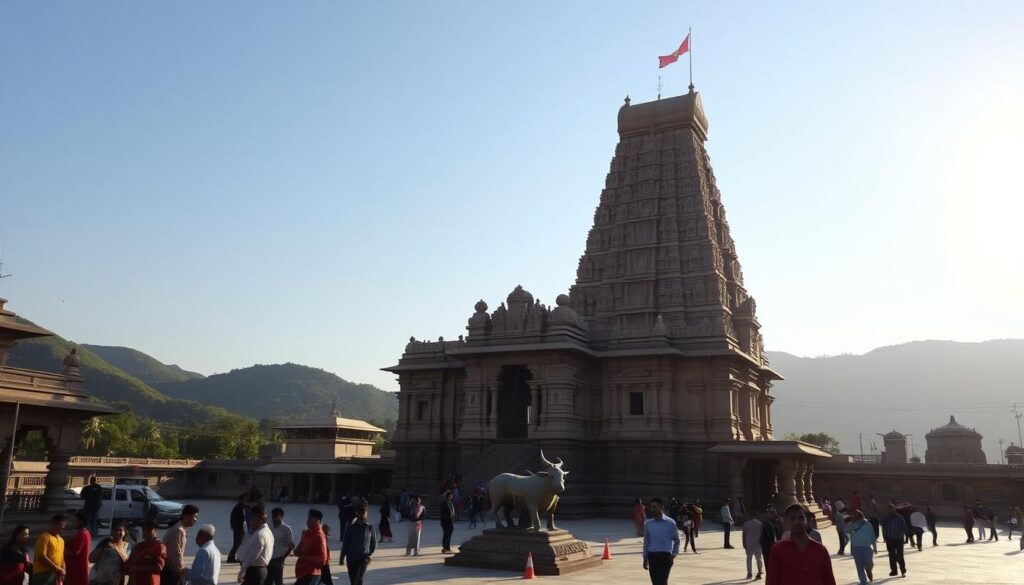
Gavi Gangadhareshwara Temple: sunlight through Nandi’s horns onto the Shiva Linga
At Gavi Gangadhareshwara in Gavipuram, a precise sunlight beam passes through Nandi’s horns on Makar Sankranti and strikes the linga. We suggest arriving before dawn since visitors surge for this worship highlight.
Timings are 6:00 AM–11:00 AM and 5:30 PM–8:30 PM. We keep quiet during the alignment and carry a light shawl for the predawn chill.
ISKCON Temple, Rajajinagar: morning mangala arati and evening darshan
ISKCON Temple in Rajajinagar runs mangala arati very early and has extended morning and evening windows. Morning schedules include 4:30 AM–5:20 AM and 7:15 AM–1:15 PM. Evenings run 4:15 PM–8:00 PM with a later weekend slot.
The temple complex features a lakeside walkway and a gold-plated flag post. We plan for prasadam queues and use the quieter lake path after darshan.
Weather and crowd tips for cave and rock-temple visits
- Prefer cool mornings for the cave approach to avoid heat and heavy crowds.
- Pair Gavi Gangadhareshwara and ISKCON in one day with an early start and off-peak travel.
- Factor in area traffic around Gavipuram and Rajajinagar; return before office-hour peaks.
| Site | Highlight | Practical tip |
|---|---|---|
| Gavi Gangadhareshwara | Sunlight alignment on Makar Sankranti | Arrive before daybreak; maintain silence; bring a shawl |
| ISKCON, Rajajinagar | Mangala arati; lakeside walkway | Expect prasadam queues; visit lakeside after darshan |
| Both sites | Cave and modern complex contrast | Use early entry windows to minimize waits and linger peacefully |
February: Cool-weather strolls across heritage temple complexes
February’s cool mornings invite slow walks through layered stone and script at two of the city’s oldest shrines. We use this month to read inscriptions, study relief panels, and compare styles without the rush of hotter months.
Chokkanathaswamy Temple, Domlur: Chola-era carvings and Tamil inscriptions
At the Chokkanathaswamy temple in Domlur we trace 10th-century Tamil inscriptions and fine sculptures dedicated lord vishnu. Timings are 6:00 AM–11:00 AM and 5:45 PM–8:30 PM, so early entry gives quiet viewing of panels and mantapa reliefs.
Someshwara Temple, Halasuru: Dravidian pillars and the Shiva–Parvati marriage panel
Someshwara temple shows Chola origins with Vijayanagara renovations. The site’s carved pillars and a celebrated marriage panel of Shiva and Parvati are best seen in soft morning light. Typical hours are 6:00 AM–12:30 PM and 5:30 PM–9:00 PM.
- Start at opening to avoid mid-morning area traffic and linger at sculpted doorways.
- Split time between sanctum darshan and exterior study to follow how architecture and carvings narrate religious patronage across a century.
- Read on-site signboards and ask a temple volunteer for context; be mindful when photographing pillars and inscriptions.
| Site | Era | Timings | Highlight |
|---|---|---|---|
| Chokkanathaswamy | 10th century (Chola) | 6:00 AM–11:00 AM; 5:45 PM–8:30 PM | Tamil inscriptions; Vishnu sculptures |
| Someshwara | Chola base; Vijayanagara renovations | 6:00 AM–12:30 PM; 5:30 PM–9:00 PM | Dravidian pillars; Shiva–Parvati panel |
best time visit temples bangalore in summer: March-April highlights
March and April bring clear skies and bright light. We use short routes that mix towering open-air shrines with calm, enclosed sanctums.
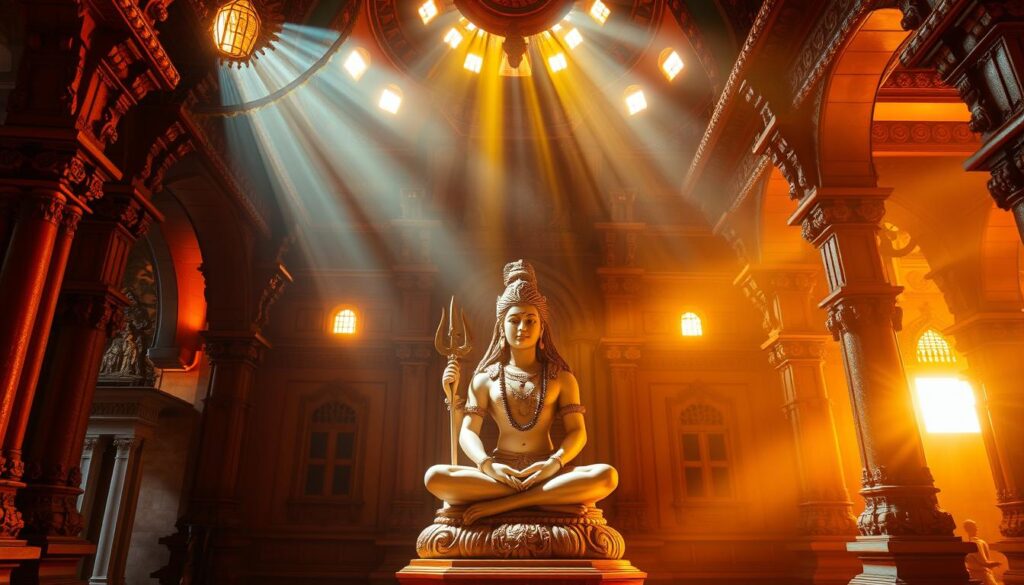
Shivoham Shiva on Old Airport Road
Shivoham Shiva features a 65-ft Shiva statue, a 32-ft Ganesha and a 25-ft Shiva Linga. The site is open 24 hours and entry is via Kemp Fort Mall, which helps with parking and access.
We schedule early morning or late evening at this shiva temple to avoid glare and heat. We photograph from respectful distances so the statue’s scale is clear without blocking pathways.
Surya Narayana Temple, Domlur
Built in 1995 in Chola style, this temple dedicated Lord Surya has a 3.25-ft sun idol and a quiet sanctum. Timings are typically 8:00 AM–5:00 PM and the annual chariot festival can draw crowds.
We pair Domlur with Old Airport Road for a compact circuit, favor shaded queues, stay hydrated, and pause inside to center ourselves before leaving.
| Site | Key feature | Hours / Access |
|---|---|---|
| Shivoham Shiva | 65-ft Shiva statue; 32-ft Ganesha; 25-ft linga | Open 24 hours; mall-adjacent entry via Kemp Fort Mall |
| Surya Narayana, Domlur | Chola-style sanctum; 3.25-ft Sun God idol | 8:00 AM–5:00 PM; annual chariot festival |
| Summer circuit | Shade, hydration, respectful photography | Early starts or late evenings; end before evening traffic |
May: Beat the heat with cave shrines and shaded courtyards
As mercury rises, we shift plans toward rock-cut sanctums that hold cool air and quiet. May is ideal for seeking out stone-cooled spaces where crowds thin and breath quiets.
Hulimavu Cave Temple: rock-carved serenity for Anjaneya devotees
We center May around the Hulimavu Cave Temple, a compact site carved from solid rock and dedicated to Lord Anjaneya. Timings run 7:00 AM–12:00 PM and 5:00 PM–7:00 PM, so mornings are best to avoid heat and commuter noise.
- Enter early; the cave interior stays noticeably cooler and fosters quiet devotion.
- Observe how natural contours blend with carved elements; artisans used the stone’s shape as part of the design.
- Carry water and small offerings suited to narrow corridors to keep movement gentle.
- Mind line flow during japa and avoid flash photography to preserve the cave’s hush.
- Pair Hulimavu with a nearby shaded courtyard temple if you have energy, but keep the circuit light.
| Site | Focus | Tip |
|---|---|---|
| Hulimavu Cave Temple | Rock-carved Anjaneya shrine | Arrive morning; respect narrow passages |
| Shaded courtyard | Cool resting spots | Combine for a short, calm circuit |
| Reflection | Stone cooling in summer | Notice how a shiva temple or rock-cut sanctum eases heat |
June: Monsoon drizzles and low crowds at inner-city shrines
Monsoon days soften hard stone and sharpen small details, so we take unhurried routes through leafy neighborhoods. June brings light rain that calms streets and eases queues at quiet sanctums.
At Kadu Malleshwara (Mallikarjunaswamy) in Malleswaram we welcome drizzle. The site keeps timings of 7:00 AM–12:00 PM and 5:30 PM–8:30 PM. The temple shows clear Dravidian motifs set among old trees that recall forest origins.
Nearby, Dakshinamukha Nandi Teertha Kalyani Kshetra—about 400 years old—offers a water-fed Nandi shrine. We plan a short walk between the two sites and time both visits around lighter showers to avoid wet stone slips.
- Carry compact umbrellas and footwear covers for wet floors.
- Pause for a quick tea between darshans, then return if lines remain light.
- Protect electronics in waterproof pouches and limit phone use to keep the calm.
- Consider a separate cave trip, such as gavi gangadhareshwara, to compare cave and swamy temple experiences.
- Respect signage near water features and follow local, temple dedicated customs.
| Site | Hours | Nearby feature | Practical tip |
|---|---|---|---|
| Kadu Malleshwara (Mallikarjunaswamy) | 7:00 AM–12:00 PM; 5:30 PM–8:30 PM | Tree-lined Malleswaram area | Visit during light drizzle; watch wet steps; recite a short mantra |
| Dakshinamukha Nandi Teertha Kalyani Kshetra | Local ritual timings vary | Water-fed Nandi tank (≈400 years) | Observe water signage; avoid stepping into channels; carry small offerings |
| Complementary circuit | Morning or evening windows | Short walk between shrines | Use umbrella, tea break between darshans, protect devices |
July: Peaceful worship before festive rush
This month offers a stretch of peaceful worship where queues thin and we can notice small ritual details. We use July to move slowly, watch the daily rhythm, and enjoy prasadam served fresh.
Jagannath Temple, Agara — Kalinga-style architecture and prasadam
At Jagannath Temple in Agara (HSR Layout) the sanctum houses Lord Jagannath with Subhadra and Balabhadra. The complex shows Kalinga-style motifs on the exterior that invite a calm, visual approach to the god.
Timings are Mon–Fri 6:00 AM–1:00 PM and 4:00 PM–9:00 PM. On weekends the evening window opens at 3:30 PM. Prasadam draws many devotees, so we plan arrivals between session shifts for shorter lines.
- Arrive between session transitions to keep pacing gentle and queues short.
- Observe service rhythm, stay quiet in the mandapa, and let local devotees set the tone.
- Photograph only where allowed and avoid flash to respect ongoing worship.
- Pair the visit with a nearby walk and return for evening aarti if the atmosphere calls to you.
| Feature | Details | Practical tip |
|---|---|---|
| Deities | Jagannath with Subhadra & Balabhadra | Prepare offerings suitable for the shrine |
| Architecture | Kalinga-style exterior elements | Use the façade cues to orient before darshan |
| Hours | Weekdays & weekend windows as listed | Expect longer prasadam queues on weekends |
We end each July visit by noting small observations in a journal outside the compound. This preserves the month’s quiet and helps us return prepared when festival crowds grow.
August-September: Architecture lovers’ circuit across centuries
We map a short circuit that pairs courtly architecture with village-era shrines for layered learning. The route highlights how royal tastes and local craft shaped stone across centuries.
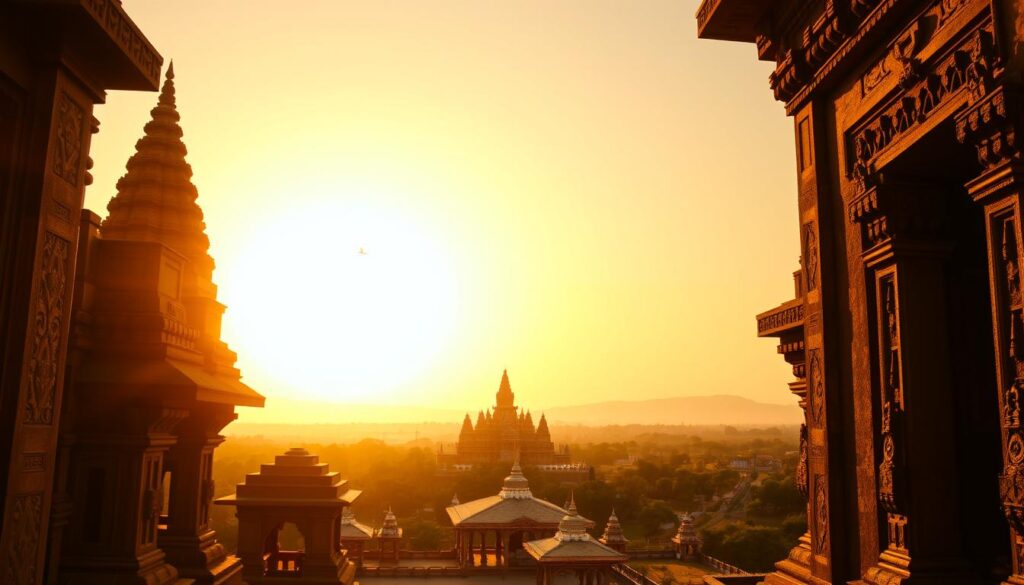
Kote Venkataramana Swamy near Tipu’s Summer Palace
Kote Venkataramana Swamy shows a clear Vijayanagara–Dravidian blend. The swamy temple has ornate pillars, carved lintels, and cornices that mix court motifs with devotional layout.
Timings: 8:00 AM–12:00 PM; 6:00 PM–8:30 PM. Note the lord vishnu associations and how deity placement guides procession paths inside the complex.
Nageshvara Temple, Begur — one oldest inscriptions
Nageshvara dates to the 9th century and contains an early Kannada inscription that references Bengaluru. Its sober geometry contrasts with Kote’s courtly detail and helps us read continuity in form and function.
Timings: 6:30 AM–8:30 PM. We allow extra time here to study the precinct and the stone that anchors local history.
- Start at Kote to study pillars and decorative program, then move to Begur for inscription-led context.
- Bring a compact field notebook for sketches and term notes; stay patient when areas are roped off for preservation.
- Option: include Jagannath Temple as an add-on to compare Kalinga motifs with Vijayanagara–Dravidian style in a single day.
| Site | Era / Style | Hours | Focus for study |
|---|---|---|---|
| Kote Venkataramana Swamy | Vijayanagara–Dravidian | 8:00 AM–12:00 PM; 6:00 PM–8:30 PM | Pillars, lintels, deity placement (lord vishnu) |
| Nageshvara, Begur | 9th century; early Kannada inscription | 6:30 AM–8:30 PM | Inscriptional evidence; sober geometry; precinct study |
| Comparative add-on | Kalinga / Kalinga-Vijayanagara contrast | Varies (Jagannath Temple hours) | Facade motifs; procession and prasadam rhythms |
October: Navaratri vibes and evening darshans
Navaratri transforms city shrines into warm, lit stages. We plan our rounds to catch evening aartis that reveal carved details and festive alankarams.
Dodda Ganesha Temple, Basavanagudi
Dodda Ganesha shelters an 18-ft statue famed for its Benne Alankara. Timings are 6:30 AM–12:30 PM and 5:30 PM–8:30 PM.
We arrive early in the evening to watch the alankarams and to see the towering idol before visitors surge. Buffer time helps for prasadam and Basavanagudi traffic.
Someshwara, Halasuru
The someshwara temple lights up during festivals, and evening illumination brings ancient carvings into clear relief. Timings run 6:00 AM–12:30 PM and 5:30 PM–9:00 PM.
We schedule an optional second darshan late in the night if aarti schedules extend. This shows the temple’s style under lamps and soft shadows.
Crowd management and practical tips
- Confirm festival-specific hours in advance since aartis and closures can change normal time windows.
- Bring modest offerings easy to carry in crowds and keep hands free for line movement.
- Save wide photographs for courtyards; respect flow and avoid blocking passage during darshan.
- End the evening with quiet reflection near the main mantapa to let Navaratri’s energy settle.
| Site | Highlight | Practical tip |
|---|---|---|
| Dodda Ganesha, Basavanagudi | 18-ft statue; Benne Alankara | Arrive early; add buffer for prasadam and traffic |
| Someshwara, Halasuru | Festival lighting; accentuates carvings | Plan evening darshan; consider a late repeat aarti |
| General | Evening aarti rhythm | Confirm festival hours; prepare modest offerings; respect photography flow |
November: Cool evenings at iconic temples and nearby getaways
With milder evenings we plan relaxed night visits and a separate day for a large Shiva shrine. We schedule an illuminated city darshan and one clear day to travel out of the urban rush.
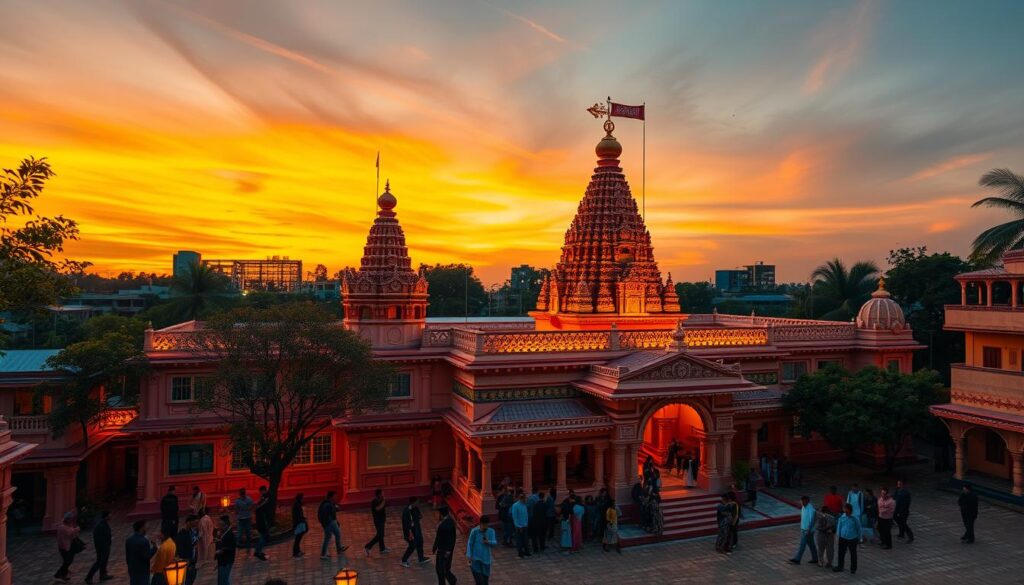
ISKCON temples — evening glow and smooth darshan flow
We prefer an evening at the ISKCON temple complex when lamps and floodlights highlight the gopuram. Rajajinagar runs early morning windows (4:30 AM–5:20 AM, 7:15 AM–1:15 PM) and evenings (4:15 PM–8:00 PM), with a later weekend slot.
The complex uses clear queue systems, so we can linger after darshan for prasadam with minimal waiting. If weekends look crowded, we shift this city stop to a weekday evening.
Kotilingeshwara, Kolar — scale and practicalities
Kotilingeshwara sits roughly 94–100 km from the city and warrants a separate day. We leave early to beat traffic, carry water and light snacks, and plan a fuel stop en route.
The site features a 108-ft lord shiva linga, a 35-ft Nandi, and a vast field of shivalingas numbering in the lakhs. Facilities include a rest house, marriage hall, meditation hall, and an exhibition center that help families and elders pace the visit.
- We time the Kotilingeshwara trip to avoid the midday sun and keep offerings minimal and secure against wind.
- We confirm on-site amenities before leaving and plan a calm gratitude stop near the Nandi before returning.
- We keep one flexible city darshan at ISKCON during the week if weekend crowds rise.
| Site | Key features | Practical tips | Distance / Hours |
|---|---|---|---|
| ISKCON (Rajajinagar) | Illuminated gopuram; well-managed darshan queues | Evening visit for lighting; consider weekday slot to avoid crowds | Morning 4:30–5:20; 7:15–13:15; Evening 16:15–20:00 |
| Kotilingeshwara, Kolar | 108-ft Shiva linga; 35-ft Nandi; lakhs of shivalingas; facilities on site | Start early; carry snacks/water; check rest house availability | ≈94–100 km from city; full-day trip recommended |
| Combined plan | City evening + separate day trip | Keep offerings light; reserve rest breaks; end with a calm exit | Flexible scheduling across the week |
December: Kadalekai Parishe and heritage walks
December brings a lively close to the year, when festival stalls and evening lamps reshape neighbourhood rhythms. We plan a gentle circuit that pairs the Bull Temple with nearby heritage spots so the crowd energy stays festive but manageable.
Bull Temple (Dodda Basavana Gudi): fair atmosphere and the massive Nandi
The 16th-century Vijayanagara-style Bull Temple is open 6:00 AM–8:00 PM. We time our stop during Kadalekai Parishe to enjoy the groundnut fair while securing calm darshan near the monumental Nandi statue.
Domlur duo: Chokkanathaswamy and Surya Narayana
We split Domlur into a separate evening so the Chokkanathaswamy temple and the Surya Narayana site remain unrushed. Chokkanathaswamy shows Tamil inscriptions, while Surya Narayana reflects Chola-style work; typical hours are 8:00 AM–5:00 PM.
Evening aarti routes around Basavanagudi
After market crowds thin, we walk a compact aarti loop that also passes Dodda Ganesha. We keep offerings light and bags minimal to move easily among stalls and entry points.
- We weave in a heritage walk at Bugle Rock Park to read how the rock frames local temple culture.
- We prefer public transport or ride-hailing during festival peaks to avoid parking stress.
- We always confirm closing times so a final aarti is calm, not rushed.
| Place | Hours | Feature | Practical tip |
|---|---|---|---|
| Bull Temple (Dodda Basavana Gudi) | 6:00 AM–8:00 PM | Massive Nandi statue; Kadalekai Parishe fair | Use public transport; keep offerings light; arrive before evening aarti |
| Chokkanathaswamy Temple | 8:00 AM–5:00 PM | Ancient Vishnu shrine with Tamil inscriptions | Visit on a separate evening to avoid overpacking the day |
| Surya Narayana Temple | 8:00 AM–5:00 PM | Chola-style sun shrine; calm sanctum | Pair with Chokkanathaswamy for cultural contrast; confirm closing times |
We close December’s circuit with a reflective stroll under neighborhood lights, carrying the season’s warmth into the new year.
Weekend temple trails: clustering places by area for easy routes
We map short loops that cut commute and let us soak in sanctum details. Each circuit pairs nearby places so mornings feel calm and focused.
Basavanagudi loop: Bull Temple, Dodda Ganesha, Bugle Rock Park
Start at the Bull Temple (6:00 AM–8:00 PM) and move to Dodda Ganesha (6:30 AM–12:30 PM; 5:30 PM–8:30 PM).
Finish with a cool walk at Bugle Rock Park to soften the pace. This loop centers on dodda basavana gudi and local rhythm.
Domlur–Indiranagar loop: Chokkanathaswamy temple, Surya Narayana
Pair Chokkanathaswamy temple’s Tamil inscriptions with Surya Narayana’s Chola-style sanctum (8:00 AM–5:00 PM).
The duo balances heritage study and easy access in one compact run.
Rajajinagar–Malleswaram loop: ISKCON, Kadu Malleshwara
Blend iskcon temples’ structured darshans with Kadu Malleshwara’s leafy calm (7:00 AM–12:00 PM; 5:30 PM–8:30 PM).
- We start earliest darshans first, then break for breakfast to avoid peak lines.
- Use rideshare to dodge parking in crowded market areas.
- Carry a small kit—scarf, socks, sanitizer, water bottle—for smooth transitions.
| Loop | Key sites | Why choose it |
|---|---|---|
| Basavanagudi | Bull Temple, Dodda Ganesha, Bugle Rock | Short walk, rich local culture |
| Domlur–Indiranagar | Chokkanathaswamy temple, Surya Narayana | Heritage plus quiet sanctum |
| Rajajinagar–Malleswaram | ISKCON, Kadu Malleshwara | Organized queues and leafy respite |
These modular routes help us cover more top temples in fewer hours and make a relaxed plan to visit bangalore sites without rush.
Planning tips for temple timings, attire, and respectful photography
We frame practical guidance so each temple run feels calm and respectful. Use this short guide to match expected hours with how you dress, carry offerings, and photograph sacred spaces. Small choices make a big difference to your comfort and to others around you.
Timings snapshot: mornings, evenings, and festival windows
We prefer early mornings for quieter sanctums and cooler air. Typical ranges include ISKCON Temple’s morning and evening windows with a weekend slot around 7:15 PM–8:00 PM, Someshwara (6:00 AM–12:30 PM; 5:30 PM–9:00 PM), Jagannath’s split weekday/weekend hours, and Dodda Ganesha (6:30 AM–12:30 PM; 5:30 PM–8:30 PM).
Many places extend or alter hours during festivals like Navaratri and Makar Sankranti. Keep a running list of seasonal exceptions so this post serves as a handy pre-visit checklist.
Dress, footwear, and photography dos and don’ts
We prepare modest attire that covers shoulders and knees and carry socks for hot stone floors. Remove footwear only at designated racks near each place of entry and follow local cues at each swamy temple.
Confirm no-photo zones near sanctums. Choose natural light over flash, keep shutters silent, and avoid blocking aisles. We bring small, temple-appropriate offerings, avoid plastic, and prefer biodegradable plates when prasadam is shared at larger halls such as ISKCON temples.
| Topic | Practical rule | Why it matters |
|---|---|---|
| Arrival window | Early morning or evening aarti | Quieter sanctum; cooler air; better light for respectful photos |
| Attire & footwear | Cover shoulders/knees; socks for stone floors; footwear at racks | Respects dress codes; protects feet; eases temple entry |
| Photography | No-flash; silent shutter; respect no-photo signs | Preserves ritual focus; avoids disturbance |
| Offerings & bags | Small biodegradable offerings; compact bag; cash for donations | Reduces clutter; speeds line flow; supports temple needs |
| Queue etiquette | No cutting; make space for elders; move gently | Keeps darshan orderly and calm for everyone |
We plan buffer time between stops to hydrate, reset our pace, and center ourselves. Carry emergency numbers, a light scarf, and a small change of cash. Collective decorum preserves the calm that draws us to these sacred places.
Conclusion
We recommend a steady rhythm of short loops and a couple of day trips so each stop feels full, not hurried.
Bookmark this plan and spread outings across the year to keep top temples calm and accessible. We celebrate how temples bangalore weave a city-scale pilgrimage—from one oldest sites like Chokkanathaswamy to modern hubs such as ISKCON Temple and Jagannath Temple.
Balance heritage study with quiet prayer, pause to read inscriptions at Begur’s Nageshvara, and note phenomena like Gavi’s Makar Sankranti light or Shivoham’s colossal statue. Thank volunteers and staff who keep lines moving during festivals.
Return each season to one loop, share your routes, and help this rich cultural map stay alive. We look forward to meeting again inside the city’s sanctums.