Bangalore to Kukke Subramanya: Complete Travel & Darshan Guide
Have we ever wondered if a spiritual trip can be planned without last-minute stress and long waits?
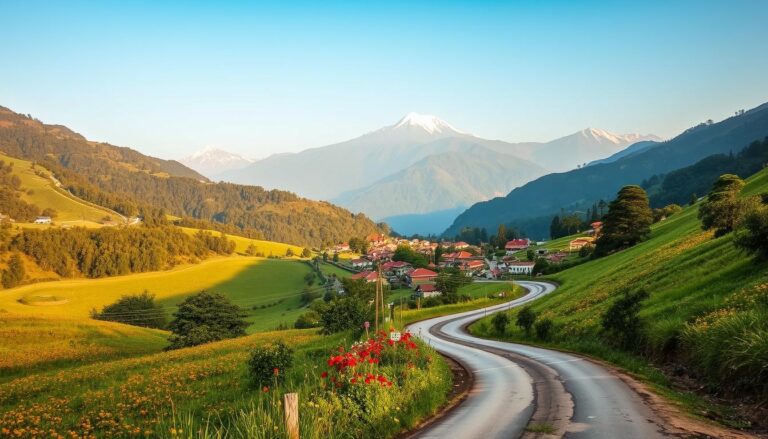
We wrote this guide so you can plan a clear, practical route and know what matters for darshan. The road distance is about 340 km via NH48 → NH75 → SH80, and the drive takes roughly 6–7 hours with the scenic Shiradi Ghat stretch.
We cover all transport modes — road, rail (Subrahmanya Road station is ~7 km from the temple), and air (Mangalore airport is ~120 km plus a 3-hour taxi). We also explain key rituals like Sarpa Samskara and Ashlesha Bali so your timing matches spiritual needs.
Expect practical information on timings, stays, budgets, and last-mile options. By the end, you will compare comfort, time, and costs for a smooth trip and know how to plan confidently today.
How we plan a hassle-free journey from Bangalore to Kukke Subramanya
We map each step so your pilgrimage runs smoothly and confirmations land in one place. Our framework cuts planning time and keeps the group coordinated from pickup to darshan.
Our step-by-step planning framework
First, we fix the purpose — general darshan or a specific seva like Sarpa Samskara. That decision sets dates and ritual bookings.
- We block travel bangalore dates around temple hours and crowd patterns to limit waiting.
- We compare options for travellers: night bus, overnight train, self-drive, or a package with AC pickup.
- We reserve core bookings at once: transport, nearby stay, and ritual slots so all confirmations arrive together.
- We plan last-mile transfers from SBHR station or the local bus stand, aligning check-in with darshan slots.
- We add buffer time for Shiradi Ghat delays and pick refund-friendly payment options to reduce risk.
- We prepare a light packing list and a clear departure checklist with vouchers and contact numbers.
Tejas Travels’ one-day and two-day packages bundle pickups, hotels, pre-booked darshan, and guides. That package model helps us make journey day calm and dependable for everyone heading on this bangalore kukke subramanya trip.
Route overview, distance, and best time to hit the road
This section maps the best road options and timing cues for a reliable, scenic journey.
Road distance, highways, and expected drive time
The primary route runs via NH48 → NH75 → SH80 through Hassan and Sakleshpur. The distance is about 340 km and the typical drive time is 6–7 hours, depending on traffic and weather.
We mark fuel and food corridors at Kunigal, Hassan, and Sakleshpur as convenient stops for families and seniors. Use these points to plan hygienic breaks and refuelling.
Shiradi Ghat conditions, traffic, and weather considerations
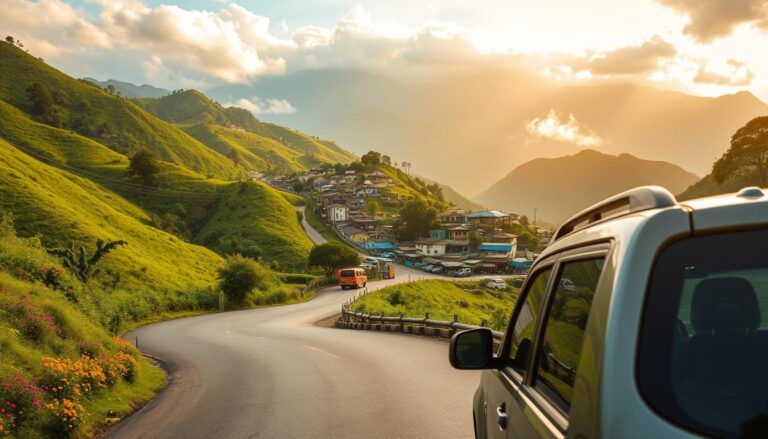
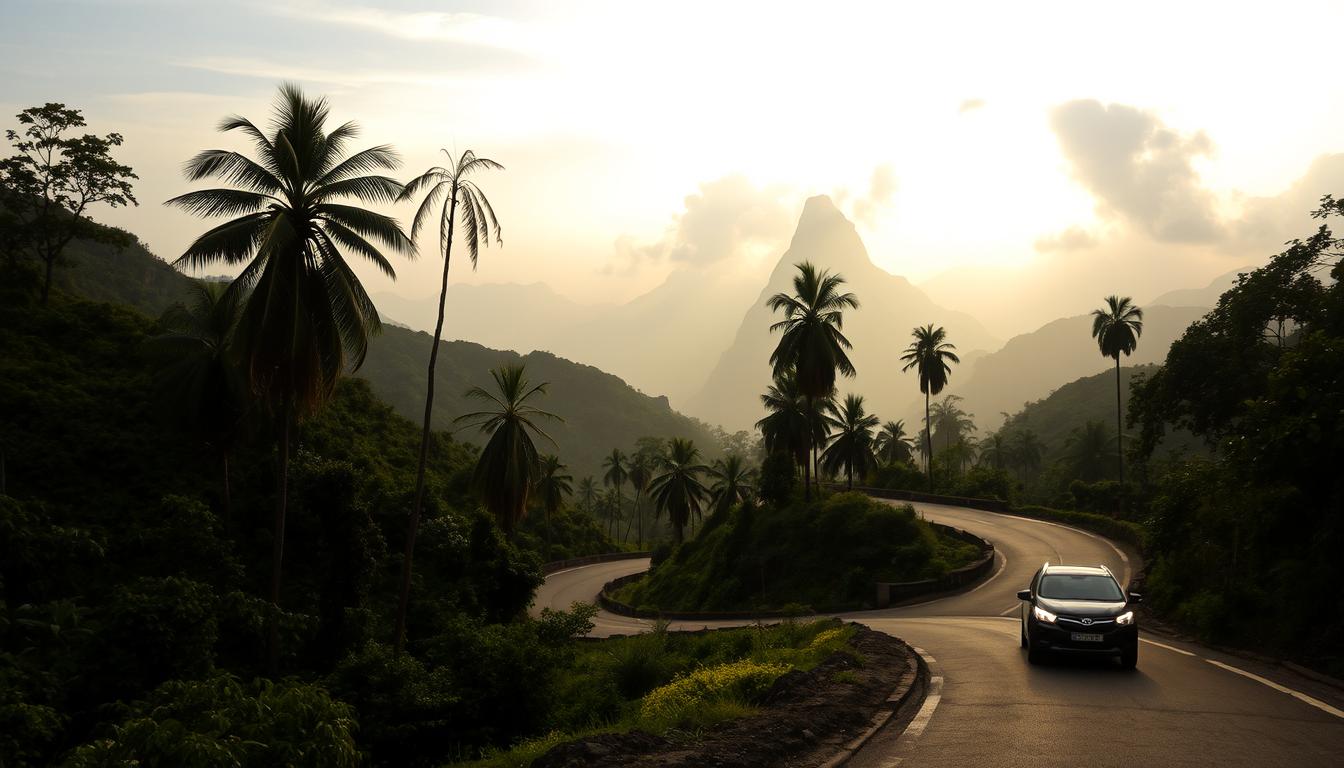
Shiradi Ghat offers scenic mountain stretches but slows in the monsoon. Expect tighter curves and occasional slow patches during heavy rain.
We recommend departures early morning or after lunch to avoid peak city traffic. Aim to leave by this latest cutoff so you arrive before the 20:00 temple closure.
| Segment | Distance (km) | Typical Time | Recommended Stops |
|---|---|---|---|
| City → Hassan | ~140 | 2.5–3 hrs | Kunigal, Midway cafes |
| Hassan → Sakleshpur | ~90 | 1.5–2 hrs | Hassan fuel, local eateries |
| Sakleshpur → Foothills | ~110 | 2–2.5 hrs | Sakleshpur rest stops, ghat caution |
Overall, factor in a 30–60 minute extra buffer on weekends. These details help us pick the best time and route for a calm kukke subramanya journey.
bangalore to kukke subramanya bus guide
Choosing the right overnight bus cuts travel stress and gets us ready for morning darshan at Kukke Subramanya. This guide covers fares, operators, boarding and drop points, schedules, booking mechanics, and comfort tips for the journey.
Ticket fares and what affects the price
Fares range roughly from ₹455 to ₹900. AC, non-AC, seater or sleeper, and brand reputation push prices up or down. Last-minute demand often raises ticket costs, while early booking and weekday travel bring lower prices.
Top operators and service types
Reliable operators include Kukkeshree Travels, Nagashree, Manjushree, SRS, Poornima Tours, and Sugama Tourist. Types include non-AC, AC, sleeper, AC sleeper, and Volvo services. Helpers and at least one rest stop are common on many buses.
Boarding, drops, schedule, and booking
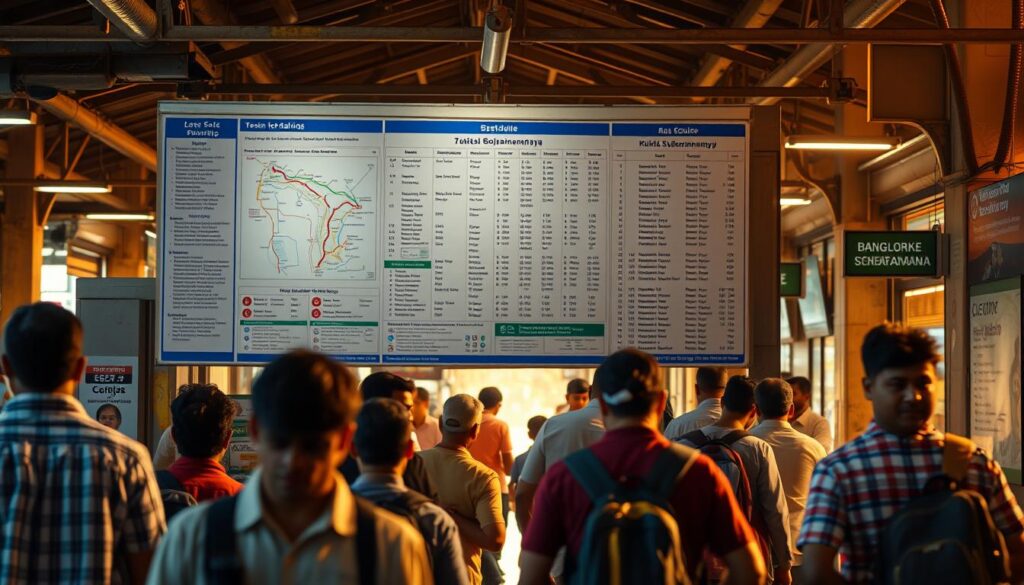
Common boarding points: Marathahalli, Hebbal, Yelahanka, Majestic, Silk Board, and Bellandur. Drop points in Kukke include the temple area and Opp KSRTC Bus Stand.
| Item | Detail | Typical range |
|---|---|---|
| Fare band | Seater/Sleeper, AC/non-AC | ₹455–₹900 |
| Departures | Nightly | 21:45–23:25 |
| Duration | Overnight journey | 6–7 hrs |
Amenities, booking, tracking, and tips
- Book via major portals using UPI, cards, wallets, or net banking and enable live tracking.
- Arrive 15–20 minutes early at boarding points and label luggage clearly.
- Choose lower berths for steadier sleep, carry a light blanket and neck pillow, and keep valuables in a small daypack.
- Cancel early if plans change; refunds usually process in 24–72 hours depending on operator policy.
Train options to Subrahmanya Road and last-mile transfers
For many of us, an overnight rail option balances comfort, cost, and arrival timing for temple rituals. Trains from the city usually take about 9–10 hours and bring us to Subrahmanya Road (SBHR), roughly 7 km from the shrine. Booking the right class and timing makes the final transfer simple.
Classes, journey time, and arrival timing strategy
Overnight services commonly offer Sleeper, 3A, and 2A. Sleeper is budget-friendly; 3A adds privacy; 2A is best for comfort on longer rides.
| Class | Comfort | Budget |
|---|---|---|
| Sleeper | Basic, shared berths | Low |
| 3A | Air-conditioned, more privacy | Medium |
| 2A | Spacious, quiet | Higher |
We plan arrivals for early morning so we can target the first darshan slot at the subramanya temple. Check ticket status and coach position before you reach the railway station to speed exit and pickup.
Cab and auto options from SBHR to the temple
At SBHR, prepaid autos and local cabs are available for the 7 km transfer. Early-morning cars and autos run frequently, but during monsoon months trains can be delayed, so we add buffer time for rituals.
- Book rail tickets early—weekends and festivals sell out fast.
- Contact your lodge for a station pickup if traveling with seniors.
- Carry small cash for autos at odd hours; UPI works increasingly well.
- Pack light so temple attire is easy to reach on arrival.
Driving or hiring a car: routes, pit stops, and family comfort
A clear driving route helps us balance scenic stretches and timely stops for a smooth family journey.
NH48 → NH75 → SH80 via Hassan and Sakleshpur
The preferred route follows NH48 → NH75 → SH80 through Hassan and Sakleshpur. The distance is about 340 km and the typical drive time is 6–7 hours.
Shiradi Ghat is scenic but can slow the road in monsoon. We plan an early start to avoid city traffic and reach before evening temple hours.
Recommended pit stops for meals and rest
- Kunigal: good for a late breakfast and quick restroom breaks.
- Hassan: ideal for a proper lunch and refuelling with reliable UPI/card acceptance.
- Sakleshpur: last full stop before the ghat; stretch legs and hydrate here.
| Aspect | Self-drive | Chauffeur/Tempo |
|---|---|---|
| Cost | Lower for small groups | Higher but convenient for families |
| Comfort | Flexible stops, driver fatigue risk | More relaxed, better for elders |
| Best use | Couples, small families | Larger groups, seniors |
Keep motion-sickness meds ready, choose front seats on the ghat, download offline maps, and save emergency contacts. Confirm early check-in at your lodge if you expect an early arrival after a smooth journey.
Flying to Mangalore and transferring to Kukke Subramanya
Flying into Mangalore gives us a fast coastal entry point and a clear road plan for the final leg. Mangalore International Airport (IXE) sits about 120 km from the temple town, and a taxi usually takes roughly three hours on good roads.
Airport distance, transfer time, and cab options
We treat Mangalore city as the practical airport for flyers who want a coastal stop or have limited travel time. Choose this route when schedules are tight, when older travelers need comfort, or when you combine the trip with coastal sightseeing.
- Expect a transfer time of about 3 hours; allow extra padding in monsoon or heavy traffic.
- Pre-booked cabs and airport pickup services reduce wait and ensure drivers know the ghat approach.
- Vehicle options range from sedans to SUVs and tempo travellers for groups or prams.
- Confirm fare inclusions—tolls, night charges, and parking—and request digital receipts for claims.
- Sync arrivals with the afternoon temple reopening (15:30) if you plan same-day darshan.
| Transfer Type | Best For | Approx. Time |
|---|---|---|
| Pre-booked sedan | Couples, small groups | 3 hrs |
| SUV / tempo traveller | Groups, more luggage | 3–3.5 hrs |
| Hotel-arranged pickup | Seniors, late arrivals | 3 hrs (depends on night charges) |
We suggest a quick refresh stop and a light meal en route so we arrive ready for darshan. Keep temple attire in your carry-on to save time when the plan is a same-day visit. Check weather forecasts for the ghat stretch and ask your hotel about late check-in support if the flight lands after dusk.
Guided packages from Bangalore for a worry-free pilgrimage
A packaged pilgrimage removes logistics so we can concentrate on the ritual and the road ahead. Tejas Travels bundles AC pickup and drop in the city with nearby hotel stays and pre-booked darshan bookings.
What’s included in Tejas Travels packages
- AC vehicle pickup/drop and coordinator contact for smooth city pickups.
- Comfortable hotel near the temple with room options for family comfort.
- Pre-booked darshan and assistance with ritual paperwork for major sevas.
- Professional guide for temple briefings and group support.
Choosing between one-day express and two-day comfort
One-day express fits those who want a focused darshan with minimal time off work. Two-day comfort adds an overnight stay, relaxed pacing, and time for rituals or nearby sights.
| Option | Best for | Start price |
|---|---|---|
| One-day express | Quick visits, solo travelers | From ₹6,999 |
| Two-day comfort | Families, seniors | From ₹8,999 |
| Notes | Check walking distance and room types | Group size affects per-head cost |
We recommend using seasonal offers and confirming bookings early for festival dates. If you plan to book bangalore kukke or book bangalore kukke subramanya, verify driver and coordinator numbers and read recent reviews about punctuality and guide support. These steps help make the journey calm and reliable.
Temple timings, rituals, and darshan etiquette
A short primer on temple hours, key sevas, and respectful conduct helps us plan a calm visit. Use this as a quick checklist while you schedule travel and local pickups for the bangalore kukke trip.
Daily timings and best windows
The shrine opens 06:00–12:30 and reopens 15:30–20:00. We recommend the first hour after opening for the calmest darshan.
Arriving just after the afternoon reopening also avoids the early crowd. Always allow buffer time for queues on weekends and festival days.
Major sevas and timing impact
Key rituals include Sarpa Samskara and Ashlesha Bali, which address Sarpa Dosha. Other popular options are Abhisheka and Pavitra Puja.
Book sevas early since ritual slots shape your day flow and waiting times at the subramanya temple.
Dress code and what to carry
- Men: dhoti/panche with no shirt inside sanctum; women: saree or salwar suit.
- Carry a small bag with offerings, ID, and water; keep valuables minimal and secured.
- Wear easy on/off sandals and follow posted instructions near the sanctum.
- Maintain silence, phone discipline, and follow volunteer guidance for smooth darshan.
Confirm ritual counters on arrival and use quiet corners for brief reflection. These simple details make the kukke subramanya temple visit respectful and ready for a meaningful journey.
Booking darshan and rituals: what needs advance planning
A few careful booking steps make the ritual day run smoothly and keep the focus on the visit. General darshan usually does not need reservations, but sevas require planning so we meet reporting times and rituals without rush.
General darshan versus ritual bookings
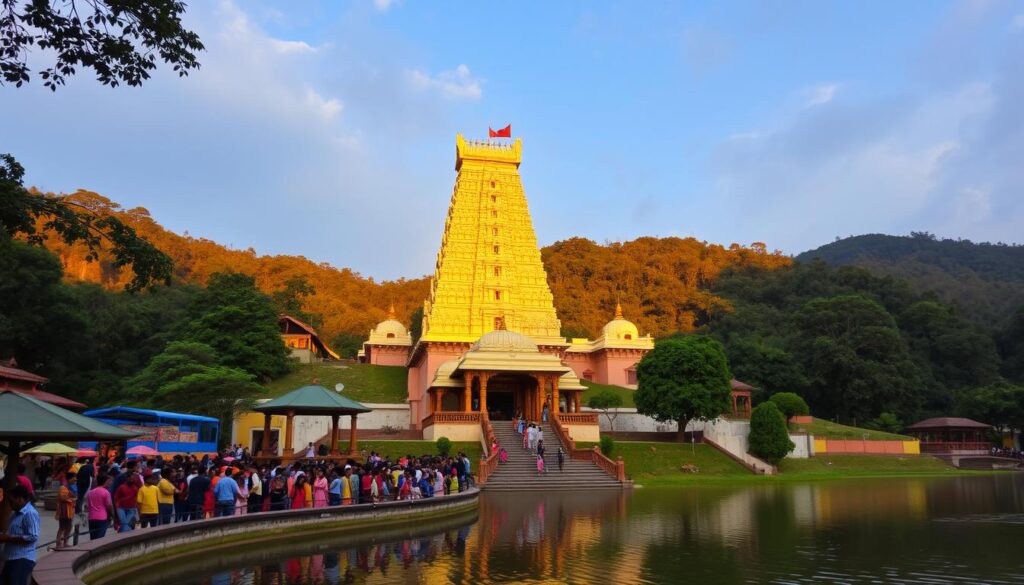
General darshan is mostly walk-in and flexible. Rituals like Sarpa Samskara and Ashlesha Bali must be reserved in advance and have limited slots.
Documents, payments, and confirmation tips
- Carry a valid photo ID and print or screenshot booking receipts and tickets for quick offline access.
- Use official counters or vetted operators for payments to avoid confusion about inclusions and prices.
- Double-check names, dates, gothra spelling, and reporting time on ritual bookings to prevent delays.
- Arrive 30–45 minutes early on ritual days and keep UPI or exact cash ready for small counter payments and offerings.
- Coordinate darshan before or after your ritual window and read confirmation SMS/email for queue gates and reporting rooms.
For a smooth bangalore kukke subramanya journey, we also watch for seasonal offers and confirm all details 48 hours before travel.
A practical two-day itinerary from Bangalore to Kukke Subramanya
We outline a compact two-day plan that fits busy schedules while keeping darshan peaceful. This sample schedule balances travel choices, rest windows, and key rituals so we make the most of limited time.
Day one: travel, check-in, evening darshan
Start with a night bus or early self-drive and break for breakfast near Hassan. If taking trains, aim for an arrival that gives time at the station and a short rest.
Check in by midday and rest before the afternoon reopening at 15:30. We plan an evening darshan slot and light local sights like the river view and Sarpa Peetham.
Day two: morning puja, falls visit, return
Schedule your puja or Sarpa Samskara reporting early. After a calm offering, take a short forest walk to Subrahmanya Falls, then return for lunch and checkout.
Start the return journey before dusk to ease ghat driving. Keep backup bus or train tickets ready for peak weekends and allow extra time for children and seniors.
| Time | Activity | Notes |
|---|---|---|
| Day 1 morning | Depart / breakfast | Bus or train; stop at Hassan |
| Day 1 afternoon | Check-in / rest | Align with 15:30 reopening |
| Day 2 morning | Puja / falls | Allow 2–3 hours for ritual and trek |
| Day 2 afternoon | Lunch / return | Head back with buffer for ghat sections |
Trip costs at a glance: transport, stay, food, and offerings
We outline clear cost ranges so you can pick the right travel mix without surprise expenses.
Typical budgets for bus, train, and car travel
Transport options vary by comfort and group size. A private car runs about ₹4,000–₹7,000 round trip. Trains sit around ₹300–₹800 per person, while a bus fare typically ranges ₹500–₹1,000.
Accommodation, food, and package pricing
Budget stays cost roughly ₹800 per night; mid-range lodging runs to ₹2,500. Plan ₹200–₹500 per day for food and offerings so temple spending is covered.
| Item | Typical cost | Notes |
|---|---|---|
| Car (round) | ₹4,000–₹7,000 | Best for families; door-to-door convenience |
| Bus (per person) | ₹500–₹1,000 | AC/Volvo adds a fare premium for comfort |
| Train (per person) | ₹300–₹800 | Sleeper to 2A; book early for lower ticket rates |
| Package tour | From ₹6,999 pp | Includes transport, hotel, and darshan booking |
Packages can save money for groups by bundling transport, stay, and ritual slots. We watch offers in off-peak weeks and book early for festival windows when prices spike.
Carry UPI or digital wallets for smooth payments, but keep some cash for small vendors. Add a small contingency for delays on the journey and check refund policies on tickets before you lock plans for a bangalore kukke subramanya visit.
Where to stay in Kukke: guesthouses, lodges, and booking tips
Finding the right place to stay can make the pilgrimage feel restful instead of rushed. We look at practical choices so lodging supports your ritual day and travel plan.
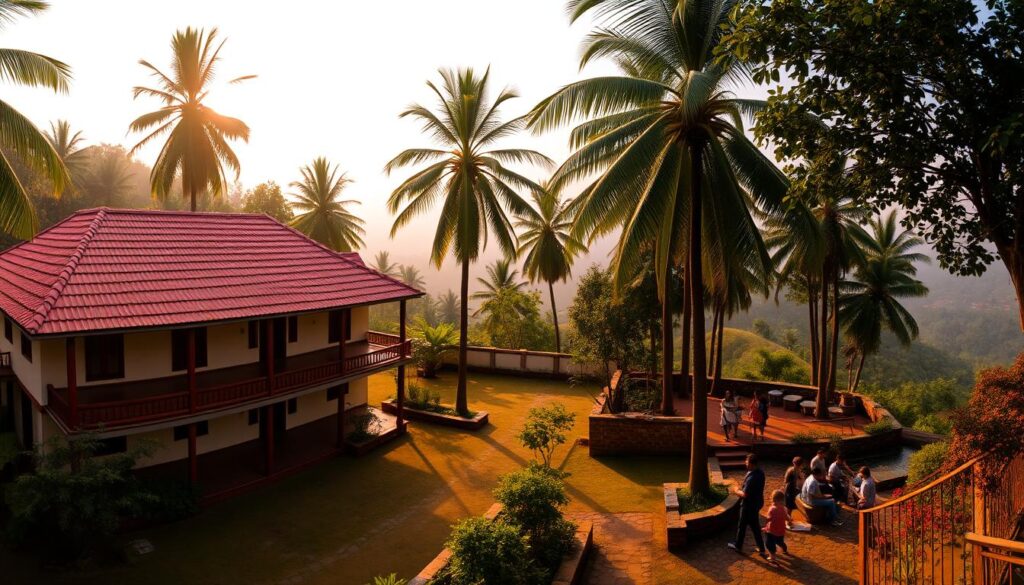
Temple guesthouses versus private hotels
Temple guesthouses are budget-friendly and sit closest to the complex. They suit pilgrims who want simple rooms and fast access for early darshan.
Private hotels give more comfort and room types. They often provide hot water, power backup, and dining hours that fit temple timings.
Price ranges by season and location
Typical room prices range from ₹800 to ₹2,500. Weekends and festival dates push prices up, so early booking helps secure lower rates.
- We compare lodging types and note which fit families and solo travellers.
- Choose family rooms (triple/quad) with essentials: hot water, elevator access, and luggage hold.
- Confirm on-site dining hours and ask about bundled offers such as breakfast or late checkout.
- Pick neighbourhoods within walking distance to cut commute time and noise from bus-drop lanes.
- Carry ID copies for every adult to speed registration during a busy journey from the city.
| Option | Best for | Typical price |
|---|---|---|
| Temple guesthouse | Budget pilgrims | ₹800–₹1,200 |
| Private lodge/hotel | Families, comfort seekers | ₹1,500–₹2,500 |
| Package offers | Groups with bookings | Varies; check inclusions |
For peak-season planning, we recommend booking early and checking recent reviews. If you travel from bangalore kukke on a tight schedule, confirm flexible check-in so your puja timing stays on track.
Getting around locally and staying connected
A small plan for pickups, charging, and maps keeps the day calm and focused on darshan. Local jeeps, taxis, and auto-rickshaws wait near the temple frontage and along the Subrahmanya Road station approach road for quick hops.
Jeeps, taxis, and auto-rickshaws near the temple and station
We find most short rides at the temple gate and at the station exit. Jeeps are handy for short sightseeing runs like the falls; taxis handle luggage and small groups.
Confirm fares before boarding or use UPI payments to avoid change issues late at night. Keep ride receipts or screenshots for expense tracking and support calls.
Mobile network availability and charging solutions
All major mobile networks give consistent coverage in kukke subramanya, so we can check live maps and call drivers. Save key numbers—hotel desk, driver, and package coordinator—on speed dial.
- Pin landmarks (temple gate, bus stand, station) on your map for offline use.
- Carry a power bank, charging cable, and a small multi-plug for family devices.
- Walk short distances when possible to avoid waits during peak hours.
- Keep phones on silent inside the shrine and use vibrate to respect sanctity.
| Pickup point | Typical tip | Why it helps |
|---|---|---|
| Temple frontage | Ask driver for flat fare | Quick access for early darshan |
| SBHR station | Pre-book or confirm on arrival | Saves time after a long train journey |
| Bus stand area | Keep tickets and UPI ready | Smooth transfer for onward travel |
With these simple steps we keep our travel and last-mile service tidy. A short check on charging, contacts, and fare helps the journey feel organized and stress-free for everyone.
Sightseeing beyond darshan: rivers, falls, and ghats
Beyond the sanctum, nearby natural spots let us relax and stretch after darshan. We can plan short outings so sightseeing fits the ritual day without stress.
Kumaradhara River and ritual bath etiquette
The Kumaradhara River is used for ritual baths near the subramanya temple. We keep modesty in mind: wear light coverings and use a screened area if available.
Pack a dry bag for valuables and avoid deep or fast-flowing sections. Keep offerings and plastic wrapped to protect them from water.
Subrahmanya Falls trek and viewpoints
The falls sit a short forest trek from the temple. We recommend non-slip shoes and a slow pace on wet rocks.
Carry water, a small first-aid kit, and light snacks for children. Start early so the trek does not clash with your puja or darshan timing.
Charmadi Ghat, Dharmasthala, and nearby day trips
Charmadi Ghat is a scenic drive for photographers and nature lovers. Dharmasthala and Belthangady lie roughly 80 km on the road and offer meaningful day trips that contrast well with temple rituals.
- Check weather before heading out; hill roads fog in afternoons.
- Plan time blocks so sightseeing fits around the subramanya temple schedule.
- Practice mindful tourism: avoid litter, keep noise low, and respect local customs.
| Spot | Distance from temple | Best time | Key tip |
|---|---|---|---|
| Kumaradhara River | Adjacent | Early morning | Use screened areas; secure belongings |
| Subrahmanya Falls | Short trek (20–30 min) | Morning | Non-slip shoes; carry water |
| Charmadi Ghat | Drive 40–60 km | Early start | Photographers should avoid monsoon roads |
| Dharmasthala / Belthangady | ~80 km | Day trip | Combine with cultural visit; plan return before dusk |
Best season to visit and festival crowds to plan around
Weather and festival timing decide how smooth our kukke subramanya visit will feel. Choosing the right window helps us match temple hours and avoid long queues. We outline practical steps so travellers can plan with confidence.

October–March comfort window
We recommend October–March for clear skies and mild temperatures. These months make darshan, short treks, and local sightseeing easier and more comfortable.
Monsoon travel notes and landscape appeal
June–September brings heavy rain and slower traffic on the ghat. The route looks lush, but we add a 30–45 minute buffer to ghat drives for safety during the wet months.
Peak days: Subrahmanya Shasti and Makara Sankranti
- Major festivals draw big crowds; book transport and stays early if visiting on these dates.
- Prefer weekday travel in peak season to reduce wait times and weekend surges.
- Give priority to darshan before sightseeing when rain threatens the day’s plan.
- Track weather updates today and check refund terms if your trip falls in the monsoon window.
| Season | Why pick it | Key tip |
|---|---|---|
| Oct–Mar | Comfortable, clear hours | Book early for festivals |
| Monsoon | Lush views, slower journey | Carry rain gear; add buffer |
| Festival peaks | High energy and crowds | Confirm bookings well in advance |
Packing checklist and safety tips for a smooth trip
Smart packing and a few safety habits turn an uncertain trip into a calm journey. We keep a short list so we travel light and stay ready for rituals and ghat roads.
We pack temple-appropriate attire and a spare set for ritual days: dhoti/panche for men and saree or salwar for women. Breathable fabrics work best for humid weather and long bus rides.
- Medications, basic first-aid, and motion-sickness tablets accessible for ghat sections.
- Carry a government-issued photo ID for hotel check-in and ritual verification.
- Power bank, charging cables, and a small multi-plug so devices stay charged for tickets and maps.
- Refillable water bottle and light snacks to save time at rest stops during the journey.
- Store valuables in a small under-seat daypack on the bus and keep essentials with us, not in hold luggage.
- Save offline copies of bookings and tickets for forest stretches with spotty data.
- Supportive footwear for temple queues and short treks like the falls.
- Print emergency numbers and lodge contacts and keep digital copies on the phone.
- Pack sun and rain protection—caps, sunscreen, and a compact poncho—based on season and travel options.
Local jeeps, taxis, and autos are readily available on arrival, and mobile networks are generally consistent in kukke subramanya. This simple checklist keeps travellers focused on darshan, not last-minute errands.
Conclusion
Let’s tie together the main travel choices so planning the pilgrimage becomes straightforward.
We’ve included clear time frames: an overnight bus runs about 6–7 hours, trains take roughly 9–10 hours to SBHR plus a short 7 km transfer, and flying into Mangalore adds a ~3-hour cab leg. Temple hours are 06:00–12:30 and 15:30–20:00, so align departures with those windows.
Book rituals and stays well ahead. Packages like those from Tejas Travels bundle rides, rooms, and darshan support for a worry-free booking and smoother journey.
We offered practical options for speed, budget, and comfort so your trip bangalore and travel bangalore kukke planning stays data-driven and calm. Shortlist a mode now, keep ticket backups, and add buffers so the trip kukke subramanya stays meaningful and stress-free.